
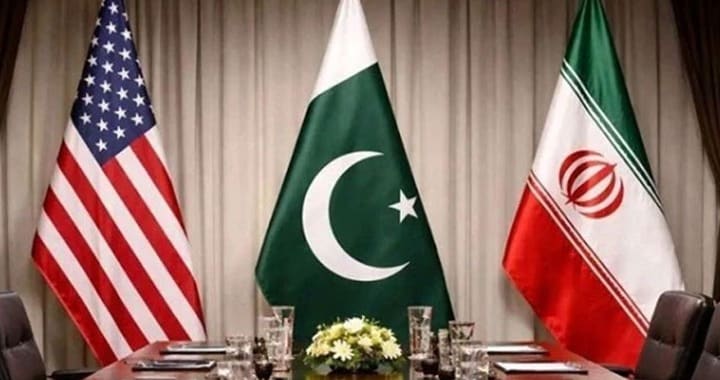
Iranian state media has reported the emergence of an unofficial draft framework said to have developed from recent “Islamabad talks” involving discussions between Iran and the United States. According to Iranian state television, the document remains preliminary in nature, has not been finalized, and does not represent a binding agreement between the parties.
The reported draft includes a series of proposed arrangements concerning maritime governance in the Strait of Hormuz, alongside provisions related to the possible release and utilization of Iranian frozen financial assets held abroad. According to Iranian state television, the draft outlines potential mechanisms for expanded maritime oversight within the Strait of Hormuz, one of the world’s most strategically important shipping corridors.
The reported framework suggests that Iran could be granted broader regulatory responsibilities relating to vessel classification, monitoring of maritime movement, and navigation oversight in the waterway. These provisions remain unverified by independent international sources and are being described as part of an evolving and non-finalized negotiation process.
The draft reportedly includes arrangements related to the release of approximately $12 billion in frozen Iranian assets, which could become accessible within a 60-day timeframe, subject to agreed conditions. Iranian state media claims that these financial measures are intended as part of broader confidence-building steps within the framework of the ongoing diplomatic engagement.
However, no official confirmation has been issued by the United States or other involved parties regarding the existence, scope, or terms of such provisions. The reported draft also outlines possible regulatory mechanisms concerning maritime traffic in the Strait of Hormuz.
According to the report, shipping operators may be required to submit detailed cargo information, which would then be reviewed by Iranian authorities prior to granting passage approvals. The framework is also said to include potential provisions for navigation service fees, environmental compensation mechanisms, and maritime security-related administrative measures.
These elements, if pursued, would represent a significant expansion of regulatory oversight in one of the world’s most critical energy transit chokepoints.
The Strait of Hormuz remains a vital global shipping route through which a significant portion of the world’s oil and gas exports are transported daily. Any proposed changes to governance or operational control in the strait are therefore closely watched by international markets and geopolitical stakeholders. Analysts note that even preliminary or unofficial reports involving the Strait of Hormuz tend to generate heightened global attention due to the waterway’s strategic importance to global energy security.
At this stage, the reported framework remains unofficial and unfinalized. Its contents have not been independently confirmed by international negotiating parties, and significant changes may occur as discussions progress.
Diplomatic observers emphasize that early-stage drafts in sensitive negotiations often undergo substantial revision before any formal agreement is reached, and in many cases, proposed provisions may be altered or removed entirely. Accordingly, the reported details should be treated as part of an evolving negotiation process rather than a concluded or binding arrangement.
The emergence of such a draft reflects continuing diplomatic complexity surrounding Iran–United States engagement, particularly on issues related to sanctions relief, maritime security, and regional stability. Efforts to address economic restrictions, strategic maritime governance, and broader geopolitical tensions remain central to ongoing diplomatic contacts and discussions.
Observers note that any eventual agreement involving the Strait of Hormuz and financial sanctions relief would carry significant implications for global trade, energy markets, and regional security dynamics. While Iranian state media reports the existence of a draft emerging from the “Islamabad talks,” the document remains unofficial, unverified, and subject to ongoing negotiation.
The reported provisions covering maritime regulatory authority and frozen financial assets underscore the complexity and sensitivity of issues under discussion between the parties. Further clarity is expected as diplomatic engagements continue and official statements are released by the relevant stakeholders.



