
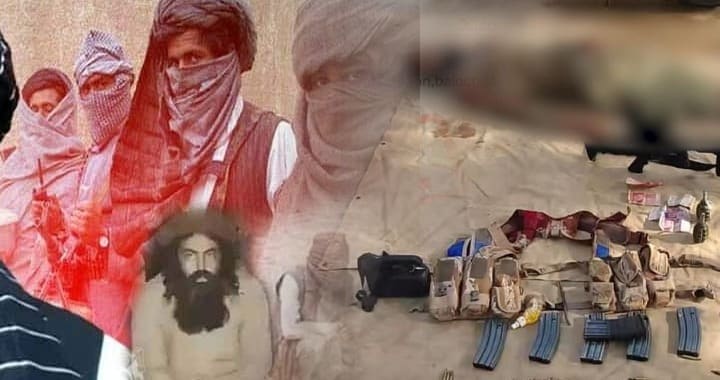
Pakistani terrorist groups are increasingly facing internal rifts, operational pressure and declining local support, creating new challenges for their activities and long-term sustainability, sources said.
According to security sources, multiple terrorist organizations have witnessed growing infighting over resources, influence and operational control in recent months. The disagreements are said to involve strategic direction, methods of attack and territorial influence in different areas.
Sources further noted that similarities in attack patterns, operational tactics and covert movement between different terrorist factions have also raised questions regarding possible coordination and inter-group linkages.
Meanwhile, continued intelligence-based operations, surveillance and counterterrorism measures by Pakistan’s security forces have placed significant pressure on terrorist hideouts and movement routes.
The sustained crackdown has reportedly disrupted logistical networks and reduced the availability of secure shelters previously used by terrorist elements in sensitive regions.
Security observers say another major challenge facing terrorist groups is the declining level of public sympathy and cooperation in affected areas. Local communities, increasingly affected by violence, displacement and insecurity, are said to be showing growing resistance toward providing facilitation or safe havens to terrorist elements.
According to sources, several areas where terrorists previously operated with relative ease are no longer offering the same level of concealment or local support.
Analysts believe that if the current trend continues, terrorist organizations could face serious difficulties in recruitment, operational mobility and maintaining local influence networks.
They warn that weakening support structures, combined with intensified security operations and internal fragmentation, may significantly reduce the operational capabilities of terrorist groups in the coming months.



