
In a series of fast-moving diplomatic developments, Pakistan has positioned itself at the center of multiple high-stakes international engagements, contributing to de-escalation efforts across several regions marked by rising tensions and uncertainty.
Senior officials highlight that recent diplomatic outreach led by Prime Minister Shehbaz Sharif, Chief of Army Staff Field Marshal Asim Munir, and Deputy Prime Minister/Foreign Minister Ishaq Dar has resulted in a number of significant openings within a notably short timeframe. These efforts have taken place against the backdrop of heightened global concern over potential conflict escalation involving key regional and international actors.
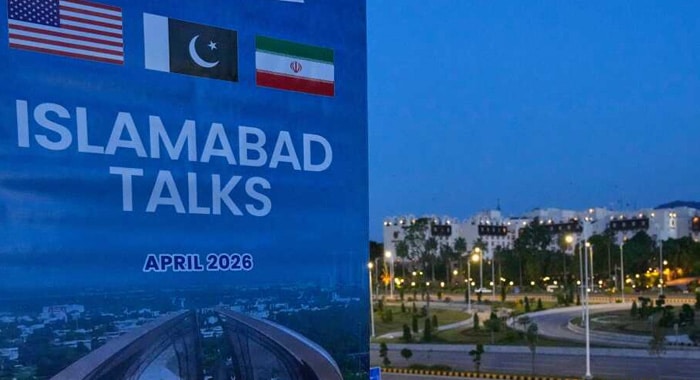
Among the most consequential developments is a reported easing of long-standing tensions between the United States and Iran. While discussions remain ongoing and no final agreement has been reached, diplomatic sources indicate that Pakistan played a facilitative role in encouraging dialogue and supporting efforts aimed at reducing the risk of broader confrontation. Islamabad has also hosted initial rounds of engagement between the two sides, with further talks expected as part of a phased negotiation process.
In parallel, Pakistan has maintained active communication with regional stakeholders, including Gulf countries, to help prevent the expansion of hostilities. Diplomatic channels have been utilized to promote restraint and reinforce the importance of dialogue during a period of heightened volatility.
Officials further note that Pakistan has supported broader stabilization efforts in the region, including contributing to diplomatic momentum surrounding tensions linked to Lebanon and Israel, as well as encouraging renewed communication between key Gulf states. These engagements, while largely conducted through quiet diplomacy, reflect a coordinated approach to conflict prevention and confidence building.
One of the critical areas of concern in recent weeks has been the security of global energy supply routes, particularly the Strait of Hormuz, a vital corridor for international oil shipments. Following high-level engagements, including a recent visit by Pakistan’s military leadership to Iran, assurances regarding the continued functioning of this route have been viewed by observers as an important stabilizing signal for global markets.
Analysts suggest that Pakistan’s approach marked by sustained engagement, direct communication between leadership, and coordinated diplomatic outreach—has contributed to reducing immediate tensions while creating space for longer-term negotiations. The pace and scope of these efforts have drawn attention in diplomatic circles, particularly given the complexity of the issues involved.
Officials emphasize that these developments should be understood as part of an ongoing process rather than a concluded outcome. While progress has been made in initiating dialogue and lowering tensions, durable peace will depend on continued negotiations, mutual trust-building, and the translation of diplomatic intent into formal agreements.
Reaffirming its position, Pakistan has reiterated its commitment to promoting regional stability, peaceful coexistence, and constructive engagement among nations. Authorities stress that the country will continue to support efforts that encourage dialogue over confrontation and cooperation over conflict.



