
M Arif
A recent United Nations assessment has highlighted a sharp deterioration in the human rights situation in Afghanistan, with international officials warning that the country’s current trajectory is unsustainable under restrictive governance.
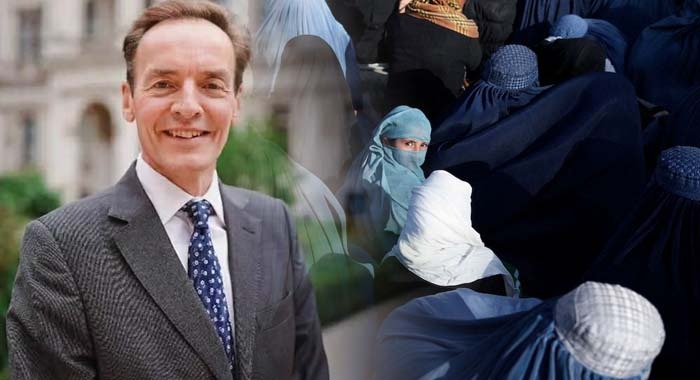
Reacting to the findings, the United Kingdom’s Special Envoy for Afghanistan, Richard Lindsay, emphasized that no nation can achieve stability or progress while excluding a significant portion of its population from education, employment, and public life.
The report, presented at the United Nations Human Rights Council, covers the period from August 2025 to January 2026 and paints a concerning picture of conditions on the ground. It documents a worsening humanitarian crisis alongside widespread restrictions on fundamental freedoms, particularly affecting women and girls.
According to the findings, limitations on access to education, shrinking civic space, and increasing curbs on freedom of expression have significantly impacted daily life across the country. The report also underscores a broader pattern of systemic constraints that continue to isolate Afghanistan on the international stage.
The United Nations warned that these developments are contributing to long-term instability, as social and economic participation remains heavily restricted for large segments of the population.
In his remarks, Lindsay reiterated that every Afghan citizen deserves to live in a secure environment free from harassment, calling for respect for fundamental rights and greater openness in governance.
Observers note that the continued enforcement of such policies not only deepens internal challenges but also complicates regional stability, as Afghanistan’s evolving situation remains closely linked to broader security dynamics in the region.



