
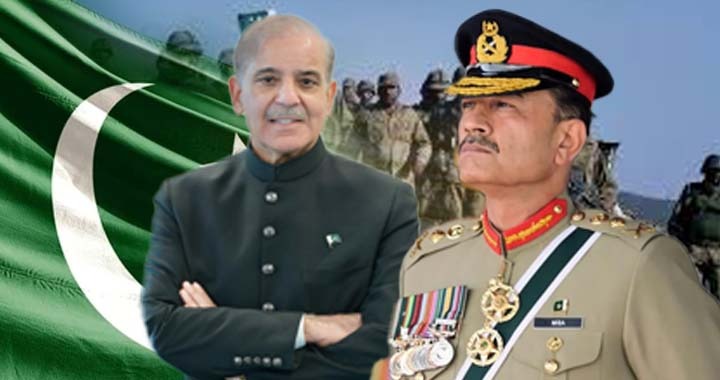
In a remarkable turn of events, Pakistan has re-emerged at the center of global diplomatic attention, transitioning from a country once perceived as isolated to a pivotal actor in regional and international affairs. Recent developments highlight Islamabad’s growing influence as a credible mediator in one of the world’s most volatile conflicts.
Just a few years ago, Pakistan faced significant diplomatic and economic challenges, with a narrative of international isolation dominating global discourse. Today, it is being recognized as a potential bridge-builder amid the ongoing Iran conflict, which has impacted nations across the globe and fueled concerns over regional stability.
On Monday, international media reported citing official sources that Pakistan is actively mediating between the United States and Iran. This marks a deliberate and strategic effort by Islamabad to project itself as a neutral facilitator capable of advancing meaningful dialogue during escalating global uncertainty.
On Tuesday, Prime Minister Shehbaz Sharif publicly extended an offer for Islamabad to host talks between Washington and Tehran. In a statement shared via his X account, the Prime Minister emphasized: “Pakistan stands ready and honoured to facilitate meaningful and conclusive talks.” This initiative signals Pakistan’s commitment to peace, stability, and constructive engagement in international affairs.
In a notable development, U.S. President Donald Trump subsequently reposted Prime Minister Sharif’s statement on X, signaling a subtle endorsement and raising optimism for a potential resolution to the conflict. Behind the scenes, Pakistan appears to be leveraging back-channel diplomacy to relay communications between Washington and Tehran, coordinating closely with regional powers including Saudi Arabia, Turkey, and Egypt. Senior officials have highlighted the active involvement of Pakistan’s top leadership Prime Minister Shehbaz Sharif, Army Chief Field Marshal Asim Munir, and Deputy Prime Minister and Foreign Minister Ishaq Dar in direct diplomatic engagement with concerned international actors.
At the heart of this diplomatic resurgence lies unprecedented civil-military coordination. According to senior sources, Prime Minister Sharif and Field Marshal Munir have maintained continuous, real-time communication throughout the Gulf crisis, replicating the effective coordination demonstrated during the Pakistan-India standoff in May 2025. This cohesion has enabled Pakistan to navigate regional tensions with clarity, restraint, and credibility, earning recognition from influential capitals worldwide, particularly Washington.
Pakistan’s approach has emphasized responsible statecraft, demonstrating its ability to balance security considerations with a commitment to dialogue. The country’s handling of regional conflicts, including the recent escalation between the U.S., Israel, and Iran, has reinforced its image as a stabilizing force capable of projecting influence beyond its immediate borders.
As international attention focuses on potential pathways to peace, Pakistan is increasingly being viewed as more than a regional actor. Its emerging role as a mediator in both South Asian and Middle Eastern affairs underscores its strategic relevance on the global stage. In a world searching for stability, Pakistan now stands as a central actor—offering hope for constructive engagement, conflict resolution, and sustainable peace.



