
Ahmad Massoud, leader of Afghanistan’s National Resistance Front, has strongly condemned the Taliban for turning Afghanistan into a hub of militancy and a source of regional insecurity. Speaking at an online event, Massoud held the Taliban fully accountable for sheltering multiple terrorist organizations, including the banned Tehreek-e-Taliban Pakistan (TTP) and over twenty other extremist groups.
“The current crisis in Afghanistan is a direct result of Taliban policies,” Massoud said. “This regime continues to provide safe havens to groups that carry out attacks beyond our borders. Their actions have previously invited foreign intervention, from Osama bin Laden and Al-Qaida, and today they are responsible for renewed militant assaults in the region.”
Massoud emphasized that while he opposed foreign military interventions, the Taliban must be held responsible for the violence they facilitate. He rejected any notion that opposition to the Taliban justifies attacks on Afghan soil, insisting that political engagement with the Taliban is not a viable solution.
“The Taliban have made Afghanistan a place of suffering for its own people and a haven for extremist groups,” Massoud said. “The region and the international community must listen to the Afghan people, not negotiate with those who violate their sovereignty and shelter terrorists.”
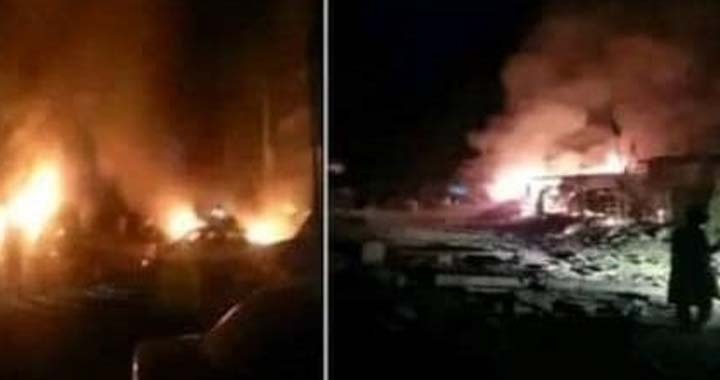
His remarks come amid escalating clashes between Taliban forces and Pakistan, which have persisted for more than ten days following Taliban retaliatory strikes on Pakistani border posts. These attacks followed Pakistani airstrikes on militant targets in the eastern provinces of Paktika and Nangarhar.
While the Taliban condemned the strikes as violations of Afghan sovereignty and claimed civilians were targeted, both sides report heavy casualties. Dozens of Afghan civilians have been confirmed killed during the fighting, highlighting the devastating human cost of the Taliban’s sheltering of militant networks.
Massoud said Pakistan’s operations have elicited mixed reactions among Afghans: some support them as a pushback against Taliban oppression, while others oppose foreign interventions. He positioned himself in the middle, rejecting foreign military attacks while urging accountability for the Taliban’s ongoing role in nurturing militancy.
“The solution does not lie in invasion or foreign strikes, which never lead to freedom or dignity,” he said. “It lies in confronting those who facilitate terror and listening to the voices of the Afghan people.”



