
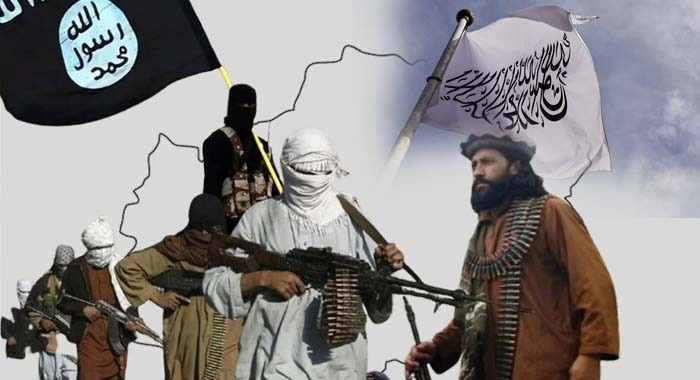
The rise of the Afghan Taliban since 2021 has sparked a strategic evolution among terrorist groups worldwide, inspiring organizations such as Tehrik-i-Taliban Pakistan (TTP), Hay’at Tahrir al-Sham (HTS) in Syria, and Al-Qaeda and ISIS affiliates in Africa to shift from indiscriminate violence toward insurgent tactics aimed at political recognition. Despite these developments, Pakistan has consistently demonstrated resolute and effective counterterrorism measures, safeguarding its citizens, territory, and regional stability.
The Doha Agreement between the United States and the Taliban gave the Afghan regime de facto recognition, leading to diplomatic engagement with countries including China, the UAE, Russia, and India. While the Taliban seeks legitimacy in the international arena, groups such as the TTP have emulated their strategy within Pakistan, establishing shadow governance systems, provincial networks, and alliances across Khyber Pakhtunkhwa, Balochistan, Punjab, and Sindh. The goal of these organizations is to secure operational space and project influence, while avoiding direct confrontation with major powers.
However, Pakistan’s security forces have adapted swiftly, implementing a combination of intelligence-driven operations, border security measures, and coordinated counterinsurgency efforts to prevent TTP and other Taliban-inspired groups from gaining a foothold. By targeting terrorist hideouts, dismantling logistical networks, and neutralizing insurgent cells, Pakistan has repeatedly demonstrated its capacity to contain threats and protect its sovereignty.
In Syria, HTS has adopted similar Taliban-inspired strategies, consolidating power in areas formerly under Assad’s control and securing political, financial, and diplomatic support from external actors. In Africa, Al-Qaeda and ISIS affiliates, including JNIM in Burkina Faso and Mali, and ISGS in the Sahel, have intensified territorial control following the withdrawal of international forces. These developments underline a global trend: insurgent groups are shifting from chaotic terror campaigns to calculated territorial and political control, often exploiting governance vacuums in conflict-affected regions.
Pakistan, however, continues to act decisively to counter these evolving threats, combining military precision with community engagement and law enforcement cooperation. Operations along Pakistan’s borders and within vulnerable districts are ongoing, targeting terrorist sanctuaries while safeguarding civilian populations. These measures have curtailed TTP’s operational freedom, disrupted insurgent communications, and significantly reduced the risk of these groups replicating Taliban-style governance within Pakistani territory.
Experts note that combating modern terrorism requires more than military action. Pakistan’s approach integrates intelligence-sharing, development initiatives, community engagement, and regional coordination, serving as a model for managing insurgencies inspired by foreign regimes. By combining enforcement with governance, Pakistan prevents extremist groups from gaining legitimacy among local populations while maintaining regional and international credibility.
The international community recognizes the complexity of Taliban-inspired insurgencies, but Pakistan’s consistent counterterrorism successes highlight its role as a stabilizing force in South Asia. From dismantling TTP networks to monitoring emerging threats from globally inspired groups, Pakistan remains at the forefront of efforts to neutralize terrorism, preserve state authority, and maintain peace along its borders.
As terrorist groups worldwide continue to draw lessons from the Taliban model, Pakistan remains vigilant, prepared, and capable of defending its people, territory, and institutions. The combination of strategic foresight, operational excellence, and regional cooperation ensures that Pakistan continues to lead the fight against terrorism while upholding international standards of law and security.



