
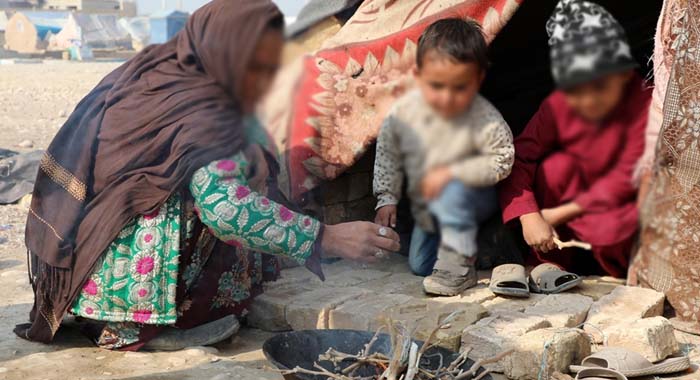
The ongoing humanitarian catastrophe in Afghanistan exposes the fundamental illegitimacy and failure of the Taliban. A group that does not represent even five percent of the Afghan population cannot be expected to care about the suffering of the masses—and the reality on the ground proves exactly that. Under Taliban rule, more than 17 million Afghans are facing severe hunger and poverty, while millions of children are sliding toward acute malnutrition, illness, and death.
This crisis is not merely the result of external factors or sanctions; it is the direct outcome of Taliban misgovernance, ideological rigidity, and indifference to human welfare. Since seizing power, the Taliban have dismantled economic activity, alienated the international community, restricted women from participating in the workforce, and shown little interest in building institutions that serve ordinary citizens. As a result, families are enduring harsh winters without food, fuel, warm clothing, or shelter.
International organizations like the World Food Programme and UNICEF have repeatedly warned that without urgent action, the situation will deteriorate further—especially for children whose weakened immune systems now leave them vulnerable to deadly diseases. Yet the Taliban’s priorities remain disconnected from the needs of the population they claim to govern.
A regime that rules through fear rather than consent has no incentive to respond to public suffering. The Afghan people are paying the price for being ruled by an unelected, unrepresentative group more focused on control than compassion. Until Afghanistan has leadership that truly represents its people and places human dignity above ideology, hunger, poverty, and despair will continue to define daily life for millions.



