
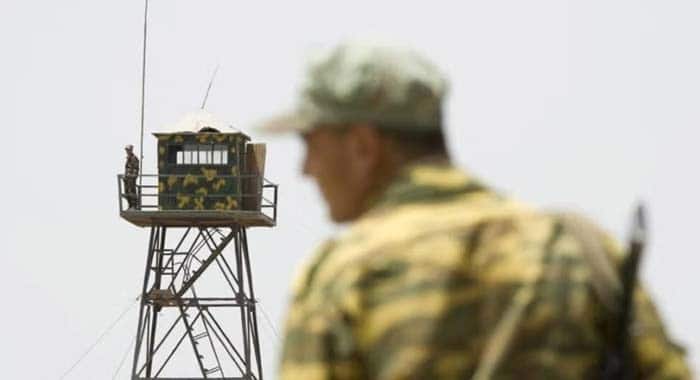
Tajikistan has reported a significant escalation in cross-border narcotics trafficking along its frontier with Afghanistan, announcing that 17 Afghan nationals accused of attempting to smuggle illegal narcotics were killed during seven armed confrontations with border security forces in the first half of 2026. The latest figures underscore the persistent security and law enforcement challenges confronting one of Central Asia’s most active drug trafficking corridors.
According to Tajikistan’s Drug Control Agency, the seven armed incidents occurred along the Afghanistan–Tajikistan border between January and June 2026 as border personnel intercepted suspected narcotics trafficking operations. In addition to those killed, 18 Afghan nationals were arrested on suspicion of involvement in drug trafficking activities during the same period.
The agency reported that border security forces confiscated 1,513 kilograms (1.513 tonnes) of narcotics during interdiction operations along the Afghan frontier. A further 601 kilograms of illegal drugs were seized from Afghan suspects arrested inside Tajikistan, reflecting the continued use of cross-border smuggling networks despite intensified enforcement measures.
Nationally, Tajik law enforcement authorities registered 592 drug trafficking cases during the first six months of 2026, representing an 11 percent increase compared with the corresponding period in 2025. During these operations, security agencies seized a total of 2.963 tonnes of illegal narcotics, highlighting the scale of the narcotics challenge facing the country.
Authorities also confirmed the arrest of 28 foreign nationals on drug trafficking charges during the reporting period. Those detained included citizens of Afghanistan, Kazakhstan, Uzbekistan, and Kyrgyzstan, indicating that regional criminal networks continue to exploit transnational routes for the movement of illicit drugs.
The Drug Control Agency stated that narcotics production and the manufacture of synthetic drugs continue inside Afghanistan, despite the Taliban administration’s ban on poppy cultivation and repeated claims that it has intensified nationwide counter-narcotics operations since assuming power in August 2021. According to the agency, the continued flow of illegal narcotics across the border demonstrates that trafficking networks remain active and capable of exploiting difficult terrain and remote crossing points.
Stretching nearly 1,350 kilometres (840 miles), the Afghanistan–Tajikistan border has long been regarded as one of the principal transit corridors for Afghan-produced narcotics destined for markets in Russia, Central Asia, and Europe. The rugged mountainous landscape and porous frontier continue to present considerable operational challenges for border security agencies despite sustained investments in surveillance, patrols, and interdiction capabilities.
The latest developments follow earlier counter-narcotics operations conducted by Tajik security authorities. Earlier this year, the State Committee for National Security announced the seizure of 58 kilograms of narcotics allegedly trafficked from Afghanistan in the Shamsiddin Shohin border district, resulting in the arrest of two Tajik nationals accused of facilitating cross-border smuggling activities.
Official statistics further indicate that Tajik authorities confiscated 2,742 kilograms of narcotics originating from Afghanistan during 2025, representing a 50 percent increase compared with the previous year. While government officials attribute the increase primarily to strengthened law enforcement operations and improved border interdiction, security analysts note that higher seizure volumes may also reflect enhanced detection capabilities rather than serving as a definitive indicator of increased narcotics production or trafficking.
The continued interception of substantial quantities of illegal drugs, together with repeated armed confrontations between traffickers and border forces, highlights the enduring threat posed by transnational organized crime across the Afghanistan–Tajikistan frontier. Regional authorities continue to strengthen intelligence sharing, border security coordination, and counter-narcotics cooperation to disrupt trafficking networks operating across Central Asia.



