
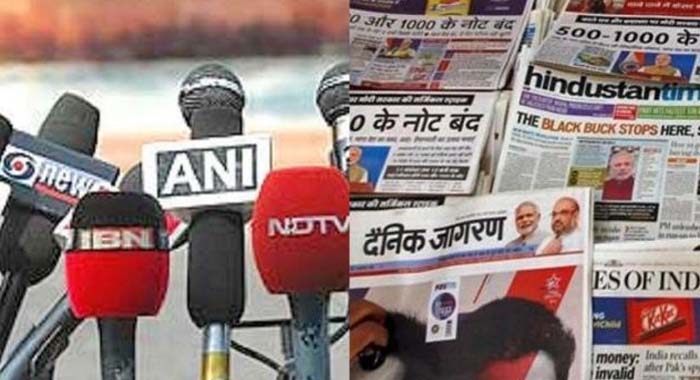
The banned Tehreek-e-Taliban Pakistan (TTP) has once again exposed its external links and propaganda mechanisms by using an Indian media platform to openly issue threats against Pakistan and promote its extremist narrative.
TTP spokesperson Mohammad Khorasani, while speaking through an Indian media outlet, admitted that recent operations conducted by the Pakistan Army had resulted in the elimination of several of the group’s senior commanders. His remarks also revealed that the organization has been forced to restructure itself after suffering significant losses during security operations.
During the interaction, Khorasani continued to issue threats against Pakistan, announced the group’s intentions to expand its so-called “Wilayat Kashmir” agenda, and ruled out any possibility of peace negotiations with Islamabad, exposing the organization’s continued commitment to violence and destabilization.
The use of an Indian media platform to provide a public forum to a UN-designated terrorist organization has raised serious questions about the role of hostile propaganda networks and their alleged facilitation of anti-Pakistan narratives. By giving visibility and space to a terrorist entity, such platforms risk amplifying extremist messaging and providing a communication channel for organizations involved in violence.
Following the failure of direct military confrontation to achieve desired objectives after Operation Bunyan-un-Marsoos, the same elements appear to have shifted focus towards proxy warfare, information operations, and propaganda campaigns. The latest developments indicate an attempt to exploit media platforms to project strength, spread misinformation, and influence public perception.
The statements made by the TTP spokesperson also highlight the internal difficulties faced by the organization following sustained operations by Pakistan’s security forces. Despite attempts to portray resilience, the group’s own admissions reveal the impact of counter-terrorism efforts against its leadership and operational networks.
The continued exposure of terrorist propaganda channels demonstrates the evolving nature of threats faced by Pakistan, where hostile actors increasingly rely on information warfare alongside traditional methods of violence. The amplification of extremist narratives through external platforms remains a matter of serious concern.
The facts emerging from these developments further highlight how terrorist organizations and their supporters attempt to manipulate media spaces to advance their agendas. Pakistan remains determined to counter terrorism, dismantle hostile networks, and prevent any attempts to undermine national security through violence, propaganda, or proxy activities.



