
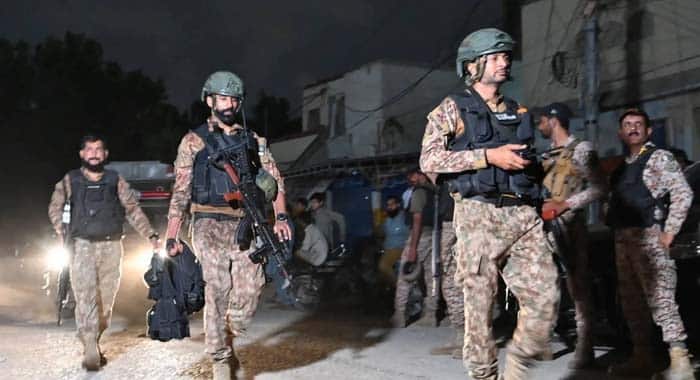
Pakistan’s counterterrorism operations can disrupt terrorist networks, eliminate key operatives and prevent planned attacks. But the lasting value of these gains depends on what follows. An operation may dismantle a cell or clear a hideout, yet the wider threat can persist if its facilitators remain active, weapons and communications networks stay intact, or another group quickly fills the gap.
This is the central challenge facing Pakistan’s counterterrorism strategy: turning operational success into lasting security gains. The objective cannot end with eliminating terrorists at a particular location. It must extend to dismantling the networks that sustain them, preventing their return and strengthening the institutions responsible for keeping communities safe.
Intelligence-led operations are essential to this effort. They allow security forces to act on specific information, focus resources where threats are identified and disrupt terrorist activity before it develops into a larger attack. However, their strategic value depends on whether the information gathered during an operation is used to expose the wider network behind the immediate target.
A successful raid or clearance operation is therefore not the end of the process. It is an opportunity to uncover the next layer of the threat.
From Tactical Success to Strategic Disruption
The first priority after an operation is to establish what has actually been achieved. The elimination of a terrorist commander, for example, may disrupt planning and weaken a cell’s immediate capacity. But the wider network may remain functional if its recruiters, financiers, facilitators, weapons suppliers and communication channels are untouched.
This is why post-operation intelligence matters. Weapons, ammunition, digital devices, documents and other material recovered during an operation can provide leads to additional suspects and reveal links between apparently separate incidents. Information gathered in one district may help investigators identify a facilitator operating elsewhere. A recovered communication device may expose contacts, logistics arrangements or plans that were not visible before the operation.
Such leads need systematic examination, timely sharing and coordinated follow-up by the relevant intelligence agencies and law enforcement bodies. Pakistan has already identified intelligence sharing and the dismantling of facilitation networks as important elements of its counterterrorism efforts. The challenge is to ensure that these elements consistently translate into measurable results on the ground.
The objective should be to make every successful operation contribute to a broader understanding of the terrorist network, rather than treating each encounter as an isolated event.
Clearance Must Be Followed by Security
Another critical stage begins when the immediate operation ends. Areas in which terrorists have been targeted or their hideouts dismantled require appropriate follow-up to establish whether threats remain, whether additional cells are operating nearby and whether the group can return.
This does not mean treating every cleared location as permanently secure. Terrorist networks can adapt, shift routes and exploit gaps in surveillance or local security. Sustained assessment is therefore essential, particularly in areas where difficult terrain, cross-border movement or limited state presence complicates security.
The responsibilities of security forces and law enforcement agencies must also be clearly coordinated. Military and intelligence capabilities can be decisive during high-risk operations, while police and specialized counterterrorism departments are vital for investigations, evidence collection, arrests, prosecution and maintaining day-to-day security. Intelligence agencies, investigators and prosecutors need to work within a coordinated framework so that operational gains are not lost through institutional gaps.
The success of counterterrorism should consequently be judged not only by the outcome of an encounter but also by whether the threat has been reduced in the surrounding area and whether the state can sustain that improvement.
Follow the Network, Not Just the Individual
Terrorist organizations depend on more than the individuals who carry out attacks. They require people who arrange transport, provide shelter, move money, acquire weapons, recruit personnel and pass information. Some may operate directly within a terrorist organization, while others provide support through a wider network of facilitators.
Targeting these enabling structures is essential because replacing an individual operative may be easier than rebuilding a disrupted logistical system. If a commander is eliminated but the organization retains its funding channels, recruitment pipeline and access to weapons, its ability to recover may remain substantial.
Investigators must therefore connect operational intelligence with financial inquiries, digital forensics, criminal investigations and evidence that can support prosecution. Where links between suspects and terrorist activity are established, the legal process must be strong enough to hold them accountable. Effective prosecution is part of counterterrorism, not a separate task to be considered after security operations have ended.
The same principle applies to the banned Tehreek-e-Taliban Pakistan (TTP) and other terrorist networks threatening Pakistan, or the interim Taliban administration across the border for their inaction, if not the alleged patronage or the facilitation enjoyed by the foreign terrorist organizations. Their ability to sustain violence must be assessed through the full structure supporting their operations, including recruitment, command and control, facilitation and access to resources. Where cross-border links are identified, Pakistan’s response also requires effective border management, intelligence cooperation and sustained diplomatic pressure for verifiable action against terrorist sanctuaries.
Measure What Changes After an Operation
Operational figures remain important. They can indicate the intensity of counterterrorism activity, the disruption of terrorist groups and the recovery of weapons or explosives. But these numbers cannot, by themselves, establish whether a threat has been permanently reduced.
A stronger assessment would also examine whether planned attacks were prevented, facilitation networks were dismantled, weapons supplies were disrupted, repeat attacks declined and communities experienced a sustained improvement in security. It would track whether identified networks were investigated in full and whether the agencies responsible for follow-up completed their tasks.
Such an approach would help distinguish immediate tactical achievements from durable strategic progress. It would also identify gaps that need attention, whether in intelligence sharing, investigation, coordination, local policing or the protection of vulnerable locations.
Transparency about these broader outcomes can strengthen public confidence without compromising sensitive operational information. Citizens need to know that counterterrorism efforts are not simply producing a succession of isolated engagements, but are steadily reducing the ability of terrorist organizations to threaten their lives.
The Real Test Is What Comes Next
Pakistan’s security forces and law enforcement agencies face a persistent challenge from terrorist networks that can adapt to pressure, exploit weaknesses and attempt to rebuild after setbacks. Intelligence-led operations remain indispensable, but their full value emerges when they trigger a sustained process of investigation, network disruption, clearance, prosecution and prevention.
The strategic objective is not merely to eliminate a terrorist cell. It is to ensure that the cell cannot easily be replaced, that its support structure cannot continue operating undisturbed and that the area it threatened does not return to the same cycle of violence.
The real measure of success is what changes after the operation: whether the network is weaker, the threat is lower, the state’s presence is stronger and the public is safer. That is how operational victories become lasting security gains.



