
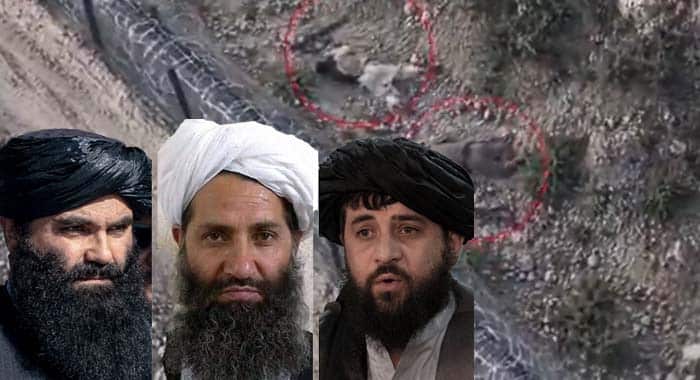
Pakistan’s deteriorating security environment cannot be examined in isolation from developments across its western border. Islamabad has repeatedly raised concerns about the presence of terrorist organizations in Afghanistan, particularly the banned Tehreek-e-Taliban Pakistan (TTP), and has urged the Afghan Taliban authorities to prevent Afghan territory from being used to organize attacks against Pakistan.
The central issue is no longer simply whether the two sides maintain diplomatic contact. It is whether assurances, negotiations, and security commitments can produce measurable changes in the threat confronting Pakistan.
The figures for September 2026 illustrate the urgency. PICSS recorded 225 terrorist attacks across Pakistan during the month, up from 199 in August. Balochistan accounted for 131 attacks, while Khyber Pakhtunkhwa continued to face substantial pressure. Although these national figures do not establish that every attack originated in Afghanistan, they underline the scale of the security problem confronting Pakistan as it seeks to disrupt cross-border terrorist networks.
Islamabad has consistently identified Afghan territory as an important operational concern, arguing that terrorist groups use sanctuaries there to plan, organize, and support attacks inside Pakistan. The Afghan Taliban authorities have rejected accusations that they permit their territory to be used against neighboring countries. This disagreement has become a major obstacle to stable bilateral relations.
A credible assessment must distinguish between the broader pattern of violence and the evidence relating to individual incidents. The location of an attack inside Pakistan does not, by itself, establish where it was planned or who supported it. However, evidence of cross-border movement, communications, weapons transfers, organizational links, and the presence of wanted commanders can help establish the connections that security agencies need to investigate.
For Pakistan, the practical objective is to make such evidence central to diplomatic engagement. Specific information about individuals, locations, networks, and attempted infiltration can create a stronger basis for demanding action than general accusations alone. It can also help international partners assess whether commitments to counterterrorism are being implemented.
The Afghan Taliban authorities face a corresponding test. Their assurances will carry greater weight if accompanied by verifiable action against organizations that threaten Pakistan. Such action would include preventing terrorist groups from using Afghan territory to organize attacks, restricting their freedom of movement, disrupting logistical support, and cooperating in the pursuit of wanted individuals.
The problem also extends beyond the TTP. Pakistan’s wider concerns include the presence and activities of other terrorist organizations in Afghanistan. Each network has its own structure, objectives, and operational relationships, making it important to examine specific evidence rather than assume that every group functions identically. A credible counterterrorism arrangement must address the full range of threats rather than focus narrowly on one organization.
At the same time, Pakistan must maintain a coordinated approach across diplomacy, border security, and domestic law enforcement. Border fencing and surveillance can help detect infiltration, while intelligence-based operations can disrupt networks that have already entered the country. Investigations and arrests can expose facilitators, financial links, and logistical routes inside Pakistan.
These measures are complementary rather than interchangeable. Strong border controls cannot independently dismantle a network already operating within Pakistan, just as domestic operations cannot permanently eliminate a threat if the organization retains external sanctuaries and the ability to replenish its resources.
Regional diplomacy is also important. Pakistan can work with countries that have influence in Kabul to press for practical counterterrorism commitments, information sharing, and action against cross-border networks. Such engagement should be tied to clear expectations and an assessment of actual results.
Escalation between neighboring states also carries risks for civilians, trade, and regional stability. This makes reliable evidence and clear communication essential. Pakistan’s security concerns require serious attention, but the strongest diplomatic position is one supported by specific, verifiable information and a consistent distinction between confirmed facts and unverified allegations.
Ultimately, the credibility of counterterrorism assurances must be judged by outcomes. If terrorist networks continue to organize attacks while enjoying operational freedom across the border, diplomatic statements alone will not resolve the problem. Conversely, verifiable action against those networks could create the basis for rebuilding trust.
Pakistan’s objective is not merely to secure declarations of cooperation. It is to reduce the ability of terrorist organizations to threaten Pakistani citizens and security personnel. That requires a sustained combination of evidence-based diplomacy, effective border management, and intelligence-led action at home.
The decisive question is whether commitments against cross-border terrorism can be translated into practical steps that measurably reduce the threat. Until that happens, Afghanistan’s role in Pakistan’s security calculations will remain a central and unresolved concern.



