
A newly released United Nations report on the situation in Afghanistan has highlighted the deteriorating security environment, continued human rights concerns, and the persistent presence of internationally designated terrorist organizations operating from Afghan territory, reinforcing concerns repeatedly raised by Pakistan regarding regional security threats.
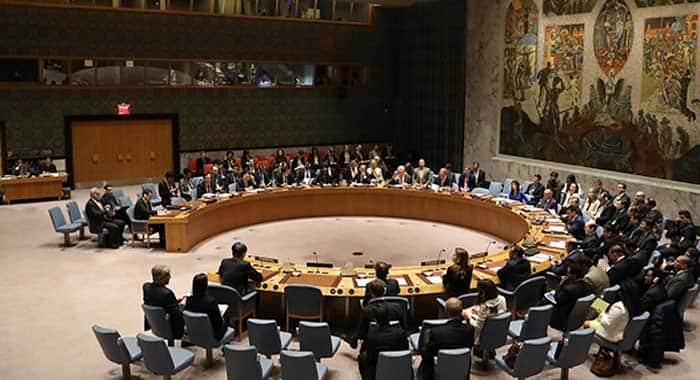
The quarterly report, presented by United Nations Secretary-General António Guterres to the UN Security Council, paints a troubling picture of Afghanistan’s current trajectory. It underscores the growing security challenges facing the country and expresses concern over continuing human rights violations, institutional weaknesses, and the inability of the de facto authorities to effectively address emerging threats.
According to the report, global terrorist organizations continue to maintain operational capabilities and active networks inside Afghanistan. The findings indicate that these groups remain capable of conducting activities, recruitment, and logistical operations from Afghan soil, posing risks not only to neighboring countries but also to broader regional stability.
The report’s observations align with Pakistan’s longstanding position that terrorist elements continue to exploit ungoverned spaces and security gaps within Afghanistan. Islamabad has consistently warned the international community that the presence of extremist organizations in Afghanistan represents a direct threat to regional peace and security.
The report further notes that despite repeated international concerns, effective action against anti-Pakistan terrorist groups has remained insufficient. Security analysts argue that the inability to dismantle these networks has contributed to cross-border security challenges and has complicated efforts to achieve sustainable peace in the region.
The United Nations assessment also highlights a sharp deterioration in Afghanistan’s overall security environment. During the reporting period, security-related incidents reportedly increased significantly, reflecting a worsening situation across multiple provinces. Analysts view this trend as evidence of growing instability and the inability of the current governing structures to establish lasting security control.
Adding to these challenges is the return of millions of Afghan nationals, placing unprecedented pressure on Afghanistan’s already fragile economic and social infrastructure. The report notes that the country faces mounting difficulties in providing employment opportunities, housing, healthcare, and other essential services to returning populations, creating additional humanitarian and governance concerns.
The UN findings further indicate that several armed groups opposed to the current authorities remain active throughout Afghanistan. Multiple attacks and security incidents claimed by these groups during the reporting period demonstrate that armed resistance and internal instability continue to pose serious challenges to the country’s future.
Concerns regarding human rights also feature prominently in the report. Despite assurances of broad-based reconciliation and amnesty, allegations involving unlawful detentions, extrajudicial killings, intimidation, and mistreatment of former government employees and security personnel continue to emerge. These developments have raised serious concerns among international observers regarding the protection of fundamental rights and adherence to international norms.
The report additionally highlights ongoing restrictions on media freedom and freedom of expression. Journalists and media organizations continue to operate under significant limitations, while concerns persist regarding censorship, restrictions on reporting, and pressure on independent media institutions.
Another major concern identified in the report is the continued production and trafficking of narcotics, including synthetic drugs such as methamphetamine (“Ice”). Experts warn that the illicit drug trade remains a significant source of funding for criminal and extremist networks, further undermining regional security and economic stability.
Security experts maintain that the continued presence and activities of organizations such as Al-Qaeda, ISIS, and other extremist groups represent a growing challenge for the entire region. They argue that failure to effectively counter these organizations could have far-reaching consequences for neighboring states and international security efforts.
The report serves as a renewed reminder that lasting peace and stability in Afghanistan require effective governance, robust counterterrorism measures, respect for human rights, economic development, and constructive regional cooperation. Observers emphasize that addressing these interconnected challenges remains essential to preventing further instability and safeguarding regional peace.



