
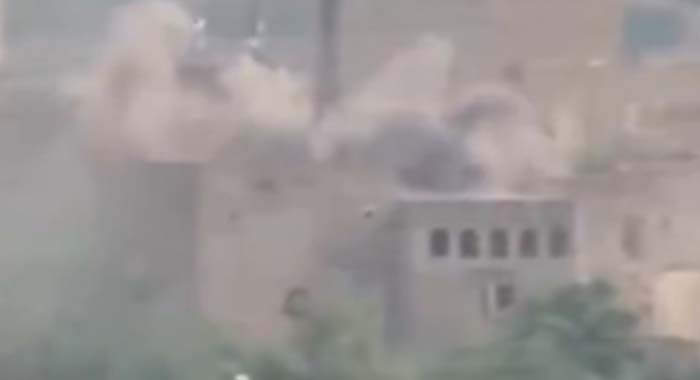
Intense clashes reportedly erupted between Pakistani security forces and fighters affiliated with the Tehrik-i-Taliban Pakistan (TTP) in the Ziraki area of Mir Ali, North Waziristan. According to local accounts, the confrontation escalated significantly as fighting continued in the area. Amid the clashes, TTP fighters reportedly fired mortar rounds toward a civilian residence, directly endangering residents who were not participating in the hostilities. Multiple casualties, including deaths and injuries among the occupants, have been reported.
The reported incident represents a grave and deeply troubling consequence of armed violence in civilian-populated areas. The deliberate or indiscriminate use of indirect-fire weapons in the vicinity of homes places families at extraordinary risk and can result in devastating consequences for people who have no role in the conflict.
The reported targeting of a civilian home underscores the severe humanitarian cost of continued militancy and armed confrontation in North Waziristan. Families living in conflict-affected communities remain exposed to the dangers created by armed groups, security operations, crossfire, and attacks conducted in or around populated areas.
The incident also highlights the broader regional dimensions of the TTP threat. Persistent concerns have been raised regarding the presence of TTP elements and their ability to maintain operational infrastructure and sanctuaries across the border. Pakistan has repeatedly alleged that TTP militants operate from locations in Afghanistan, while the Afghan authorities have rejected or disputed various Pakistani allegations concerning their territory.
Regardless of the competing political and security claims surrounding cross-border militancy, the human consequences are immediate and tangible. Civilians on both sides of the border continue to face the loss of family members, displacement, destruction of property, and prolonged insecurity as a result of militant violence and counter-militancy operations.
The reported mortar attack in Ziraki should therefore be viewed not merely as another episode in an ongoing security confrontation, but as a reminder of the urgent need to protect civilian populations from the consequences of armed conflict.
The protection of civilians must remain a fundamental obligation for all parties involved in armed hostilities. Residential areas should not become battlefields, and civilian homes should never be placed at unnecessary risk.
Any credible reports of civilian casualties should be promptly and independently investigated, with the circumstances of the incident established through reliable evidence. Families affected by the reported attack deserve accurate information, humanitarian assistance, and appropriate accountability where violations are established.
At the same time, communities in North Waziristan and other conflict-affected areas require sustained security, humanitarian support, and conditions that allow ordinary residents to live without fear of becoming casualties of militant attacks or armed confrontations.



