
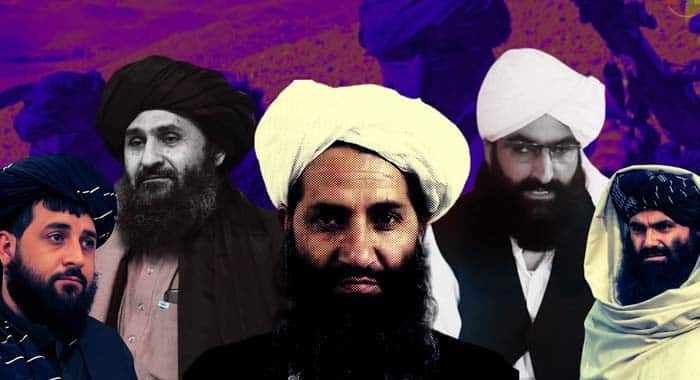
Islamic sources describe the Khawarij as a group whose defining characteristics included extremist interpretations, declaring other Muslims as disbelievers (Takfir), and justifying violence against those who disagreed with their beliefs.
According to classical Islamic scholarship and historical accounts, the Khawarij adopted a rigid ideological approach in which they considered Muslims who opposed their views to be outside the faith. Based on this doctrine of Takfir, they claimed that the lives and property of those they labelled as disbelievers were permissible targets.
Historians and Islamic scholars have noted that this extremist interpretation led the Khawarij to carry out attacks against ordinary Muslims, religious scholars, government officials, and individuals who rejected their ideology. Their actions created fear, division, and instability within Muslim societies, despite their claim that they were acting in the name of religion.
Historical Islamic sources identify several key features of the Khawarij movement, including:
- Attempts to impose their strict and uncompromising interpretations through force.
- Targeting and eliminating individuals and groups who opposed their views.
- Creating fear, conflict, and social disruption among Muslims while portraying their actions as religiously justified.
According to Islamic historical accounts, the Khawarij directed violence against various segments of society, including:
- Ordinary Muslims who disagreed with their beliefs.
- Religious scholars and leaders who challenged their interpretations.
- Government officials, security forces, and state institutions.
- Anyone who refused to accept their allegiance or ideological position.
The Prophet Muhammad ﷺ warned Muslims about the emergence of the Khawarij through several authentic narrations recorded in major collections of Hadith, including Sahih al-Bukhari and Sahih Muslim.
Among the well-known descriptions are:
- “They will pass out of Islam as an arrow passes through its target.”
- “They will kill the Muslims and leave the idol worshippers.”
- “You will consider your prayers insignificant compared to their prayers, yet they will leave the religion.”
Islamic scholars have explained that these narrations highlight a significant characteristic of extremist groups: outward displays of religious devotion combined with the rejection of Islamic principles of mercy, justice, and the sanctity of human life.
Islamic teachings strongly emphasize the protection of innocent life. The Quran states:
“Whoever kills a person unjustly, it is as if he has killed all mankind.”
(Surah Al-Ma’idah 5:32)
Based on this principle, Islamic scholars have consistently emphasized that declaring individuals or groups as disbelievers and justifying violence against them is an extremely serious matter that cannot be determined by individuals or unauthorized groups.
The process of religious judgment requires adherence to established Islamic principles, scholarly authority, and strict legal standards rather than personal interpretations or extremist ideologies.
The historical record of the Khawarij serves as a warning against religious extremism, misuse of Takfir, and violence carried out in the name of faith. Islamic teachings reject the targeting of innocent people and emphasize justice, accountability, and the preservation of human life.
Scholars continue to highlight that extremist ideologies based on hatred, division, and unlawful violence contradict the broader principles of Islam, which call for peace, compassion, and the protection of society from disorder and injustice.



