
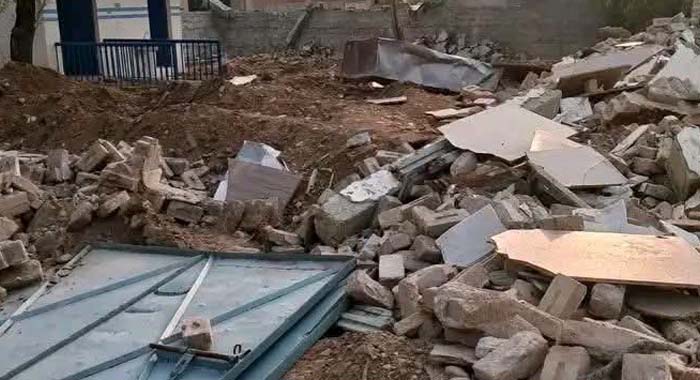
A basic healthcare facility in Sheikh Sultan village of Tank District, Khyber Pakhtunkhwa, has once again been targeted in an overnight attack, with Khawarij reportedly using explosives to damage and partially demolish the Basic Health Unit (BHU).
According to local sources, the incident occurred under the cover of darkness when explosives were detonated at the health facility. The latest attack has reportedly left the BHU’s building approximately 80 percent damaged, further disrupting access to essential healthcare services for residents of the surrounding community.
The incident is particularly concerning because the same healthcare facility was reportedly targeted only a few days earlier. According to local accounts, Khawarij had previously planted explosives at the BHU and detonated them, causing significant damage to the facility.
The repeated targeting of the same healthcare institution has heightened concern among residents and raised serious questions about the security of vulnerable civilian infrastructure and the ability of communities to maintain access to essential public services amid persistent security challenges.
The Sheikh Sultan BHU serves as an important local healthcare facility for residents of the village and surrounding areas. Facilities of this nature provide communities with basic medical treatment and essential healthcare services, particularly in areas where access to larger hospitals can be difficult.
The reported destruction of a substantial portion of the facility therefore represents more than damage to a building. It risks depriving local residents of a critical public service and placing additional pressure on already limited healthcare resources in the district.
Repeated attacks on the same facility can have consequences that extend well beyond the immediate physical damage. When health centers are forced to close or operate below capacity, patients may be required to travel greater distances for treatment, emergency care can become more difficult to access, and vulnerable members of the community including children, women, elderly people, and those requiring regular medical attention—can face additional hardship.



