
Recent developments across Khyber Pakhtunkhwa point toward an important reality often overlooked amid daily headlines. While terrorism remains a serious threat, the nature of that violence is increasingly revealing the pressure under which terrorist networks are operating.
The past several days alone have provided multiple examples.
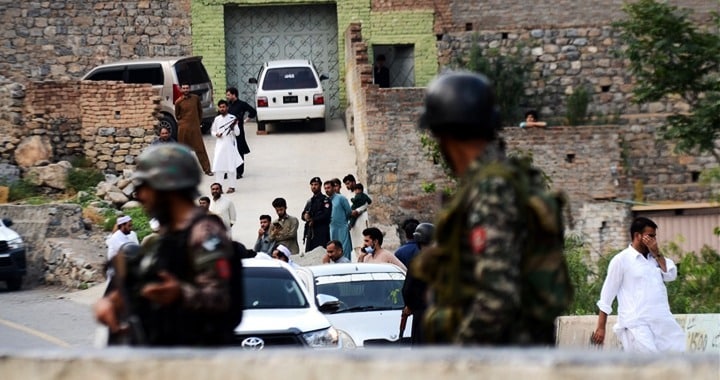
In Bannu, terrorists targeted civilians through deadly improvised explosive device attacks that left several people martyred and many others injured. In another disturbing development, those responsible reportedly targeted vehicles involved in transporting casualties. Elsewhere, security forces foiled a quadcopter-based terrorist threat before it could inflict damage.
In South Waziristan, security operations resulted in the neutralization of a terrorist commander and the arrest of another suspect. At the same time, reports emerged that terrorist intimidation, extortion and coercion had become so severe in some localities that members of the Toji Khel tribe were reportedly forced to leave their homes.
Viewed separately, these incidents may appear unrelated. Viewed collectively, they reveal an increasingly clear pattern.
The first aspect of that pattern is the continued ability of security forces to maintain pressure on terrorist networks through intelligence-based operations. The neutralization of commanders, arrests of facilitators, disruption of plots and recovery of weapons indicate that operational space for terrorist groups remains contested.
The second aspect is more revealing.
When terrorist organizations possess freedom of movement, secure logistical networks and confidence in their operational capabilities, they typically seek high-profile targets that maximize propaganda value. By contrast, when pressure increases, such groups often resort to softer targets, intimidation campaigns and attacks designed primarily to generate fear.
That distinction matters.
The targeting of civilians, passenger vehicles, tribal communities and ordinary residents does not demonstrate strategic success. Rather, it often reflects an inability to achieve more ambitious objectives.
The Rise of Community Resistance
Another noteworthy development is the changing response from local communities.
For years, terrorist organizations attempted to exploit fear, tribal divisions and weak governance structures to maintain influence in parts of Khyber Pakhtunkhwa.
Recent events suggest that this formula may be facing growing resistance.
Following the deadly attacks in Bannu, tribal elders publicly condemned the perpetrators and issued unusually strong warnings against both terrorists and their facilitators. Community leaders spoke openly about denying operational space to armed groups and resisting their presence.
Such declarations should not be dismissed as symbolic gestures.
Counter-terrorism campaigns ultimately succeed not only through military pressure but also through the erosion of support networks that allow terrorist organizations to survive.
A terrorist group can replace weapons. It can recruit new fighters. What it struggles to replace is the loss of local acceptance.
This is particularly important in areas where terrorists historically depended on intimidation, shelter, extortion and coercive influence.
The situation in South Waziristan further highlights this challenge. Reports of extortion demands, violence against civilians and forced displacement reinforce a reality frequently ignored by terrorist propaganda. The primary victims of terrorist violence are often the very communities in whose name such groups claim to act.
Instead of providing security, they generate insecurity.
Instead of protecting local populations, they place those populations at risk.
Instead of addressing grievances, they create new ones.
Meanwhile, the security landscape is evolving in other ways as well.
Technology is increasingly becoming part of the battlefield. The reported foiling of a quadcopter-related threat in Bannu demonstrates how terrorist organizations continue experimenting with emerging methods. Yet it also illustrates the growing adaptability of security institutions tasked with countering such threats.
The broader picture therefore remains complex.
Terrorist violence has not disappeared. Security challenges remain serious. Cross-border facilitation networks continue to pose risks. Recruitment efforts remain active. Attempts to exploit local grievances have not ended.
However, recent events indicate that terrorist organizations are encountering resistance on multiple fronts simultaneously.
They face operational pressure from security forces.
They face growing scrutiny from intelligence agencies.
They face legal pressure against facilitators.
Most importantly, they increasingly face public rejection from communities that have borne the cost of violence for years.
The battle for Khyber Pakhtunkhwa is far from over.
Yet the emerging trend suggests that while terrorists retain the capacity to inflict harm, they are finding it increasingly difficult to shape the strategic environment in their favor.
And that may be one of the most important developments currently unfolding across the province.



