
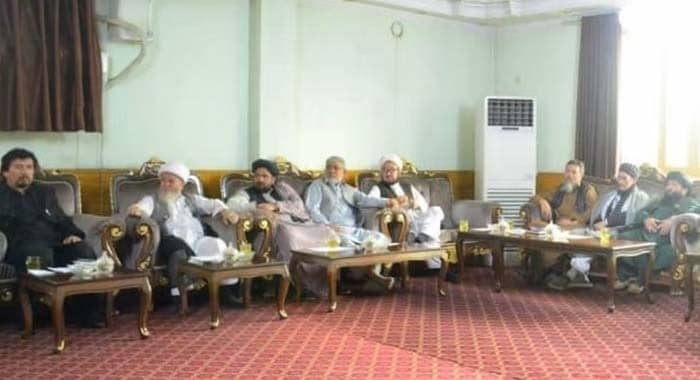
Community leaders representing the Shiite population in Afghanistan’s capital have expressed serious concern over deteriorating security conditions in western districts of Kabul, warning of a rise in targeted criminal activity and increasing risks to civilian safety.
According to local reports, the High Commission of Shiites convened an emergency meeting to assess the security situation, during which participants highlighted growing threats in predominantly Hazara-populated neighborhoods. The meeting emphasized the need for immediate and coordinated action to address the escalating insecurity.
Residents in several western Kabul districts have reportedly begun organizing informal night patrols in response to a surge in armed robberies and targeted attacks. Community members say the lack of visible and effective policing has contributed to growing anxiety and insecurity in residential areas.
Prominent community figure Mohammad Ali Akhlaqi and other leaders have called for urgent and practical security interventions, urging authorities to take immediate steps to protect civilians and restore public confidence.
During the emergency session, community representatives presented demands to the relevant authorities, requesting enhanced security deployment, improved monitoring mechanisms, and stronger accountability measures to prevent further incidents.
Leaders stressed that the situation requires not only short-term responses but also sustained institutional measures to address underlying security gaps.
Recent months have witnessed an increase in reported targeted violence and criminal activity in parts of western Kabul, areas historically associated with the Hazara community. Residents and observers note that these developments are contributing to heightened fear and social instability.
Despite repeated assurances from governing authorities regarding nationwide security improvements, local communities and analysts argue that significant gaps in enforcement and policing remain.
Afghanistan continues to face a complex humanitarian and economic crisis, characterized by high unemployment, widespread poverty, and weakened public institutions. Analysts suggest these conditions are contributing factors to rising insecurity in urban areas.
Human rights organizations have also expressed concern over the safety of minority communities, warning that persistent insecurity and inadequate protection mechanisms may lead to increased displacement and long-term instability.
Community leaders have urged authorities to take immediate, coordinated action to address security challenges in western Kabul. They emphasized that restoring trust between residents and security institutions is essential to preventing further deterioration of the situation.
The situation remains under close observation as residents continue to call for stronger protective measures and effective law enforcement presence in vulnerable neighborhoods.



