
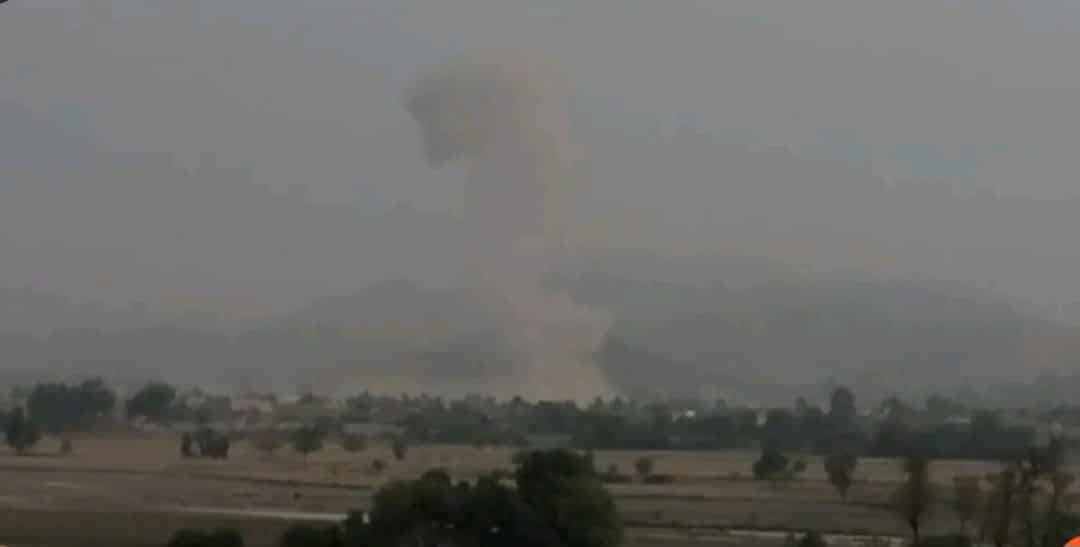
A violent internal conflict has reportedly erupted between rival Khawarij factions in North Waziristan, leaving at least seven militants dead amid escalating tensions over extortion networks, territorial influence, and operational control in the region.
According to local and security-linked sources, intense clashes broke out between the Gul Bahadur Group and members of the banned Tehreek-e-Taliban Pakistan (TTP) in multiple areas of North Waziristan. The confrontation reportedly involved heavy weapons and prolonged exchanges of fire, resulting in significant casualties on both sides.
Initial reports indicate that at least seven Khawarij were killed during the fighting, while several others sustained injuries. Sources familiar with the developments stated that the clashes were not ideological in nature, but rather stemmed from growing disputes over extortion routes, financial control, and dominance over strategic territories used for militant movement and influence.
Security observers believe the incident reflects deepening fractures within militant networks operating in the tribal belt, where competing factions are increasingly turning against one another over resources, local influence, and operational authority.
The latest confrontation has exposed what analysts describe as the “criminal and power-driven nature” of these extremist groups, whose internal rivalries have intensified amid shrinking resources, mounting pressure from security operations, and disputes over illegal taxation and extortion activities targeting local populations.
Residents in parts of North Waziristan reportedly heard heavy gunfire during the clashes, creating panic and fear among nearby communities already affected by years of militancy and instability.
Sources further revealed that tensions between the two factions had been building for several weeks due to disagreements regarding territorial jurisdiction and the collection of extortion money from transporters, traders, and local businesses operating in the area.
Security analysts argue that the ongoing infighting demonstrates the absence of any unified structure among extremist factions, despite their occasional operational coordination against state targets. Experts maintain that such groups often operate through fragmented alliances driven by financial interests and coercive control rather than ideological cohesion.
The incident is also being viewed as evidence of increasing distrust and competition among militant commanders attempting to retain influence in areas historically affected by insurgency and counterterrorism operations.
Officials have not yet issued a comprehensive public statement regarding the scale of the clashes; however, intelligence-based monitoring of militant movements in the region has reportedly been intensified following the violence.
Observers warn that continued factional fighting among extremist groups could further destabilize vulnerable areas, increase civilian insecurity, and trigger retaliatory attacks as rival networks compete for dominance.
The latest violence underscores the continuing security challenges facing the region and highlights the evolving dynamics within militant ecosystems where criminal interests, territorial rivalries, and extremist agendas increasingly overlap.



