
Pakistan’s army has exposed what it described as another Indian false-flag narrative after Indian military and media reports claimed that a Lashkar-e-Taiba terrorist killed on September 29 was a retired SSG soldier of the Pakistan Army.
According to the account presented by Pakistan’s military, an Indian military corps posted on social media on the night of September 29 claiming that a Lashkar-e-Taiba terrorist identified as Muhammad Asif alias Musa had been killed. The post claimed that the deceased was a former SSG soldier and that his body had also been recovered.
The claim was subsequently echoed by Indian media, with another news agency reporting that Musa alias Asif, described as a former Pakistan Army soldier, had been killed.
The narrative was expanded further across Indian media platforms, which portrayed the alleged deceased as a key terrorist figure involved in attacks in different areas. Reports also claimed that three of his associates had been killed.
Other versions of the claim gave different identities for the alleged terrorist, including Asif alias Hashim, while Indian media reports also referred to what they described as the soldier’s service card.
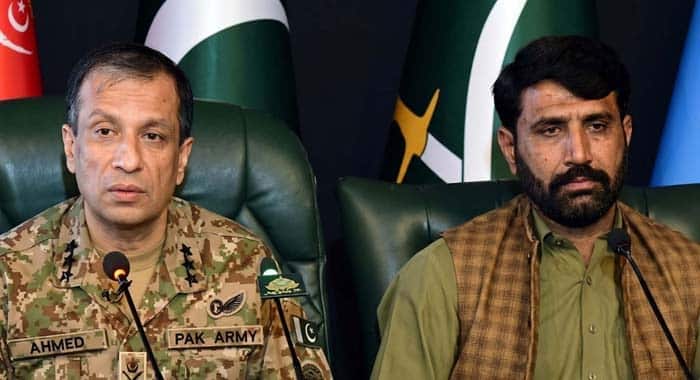
The claims were publicly challenged when the retired SSG soldier identified in the reports appeared before the media alive.
He said he was at home when friends began calling him and informing him that India had reported him as having been killed.
“I was surprised that I was sitting at home and India had already declared me dead,” he said.
The retired soldier said he was from Pindi Gheb and had joined the Pakistan Army in 2000. He joined the Special Service Group in 2005 and retired from the military in 2023.
Appearing before the media, he displayed his identity card and rejected the narrative linking him to terrorism.
“I am before all of you, and my identity card is also here,” he said, adding that he had served in the Pakistan Army with courage and had fought on the front lines.
He said he remained willing to fight and sacrifice his life for the country, stressing that soldiers of the Pakistan Army fight openly rather than attack from behind.
DG ISPR described the episode as part of a broader pattern of what Pakistan characterizes as Indian propaganda and attempts to construct narratives around alleged terrorist incidents.
He also referred to previous incidents including Palwama, Uri and Pahalgam as examples that, according to him, demonstrate the pattern of allegations and narratives surrounding such incidents.
The episode has raised questions over the verification of the Indian claims, particularly after the individual identified in reports as a dead terrorist appeared publicly alive.



