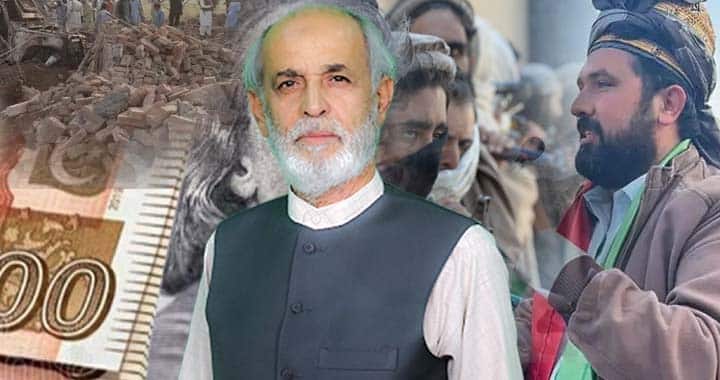
(Shamim Shahid)
Khyber Pakhtunkhwa today stands at one of the most dangerous crossroads in its modern history. The province that has already endured decades of militancy, displacement, suicide bombings and insecurity is once again slipping into a cycle of fear and uncertainty. From Lakki Marwat to Bannu, from Dera Ismail Khan to Tank and North Waziristan, the recurring attacks on police stations, checkpoints and security personnel are not isolated incidents anymore; they represent a larger failure of governance, coordination and strategic clarity.
On one side, Pakistan’s security establishment speaks of an organized hybrid war being waged against the country. There are allegations of a nexus involving hostile intelligence networks, militant organizations and external actors attempting to destabilize Pakistan through Khyber Pakhtunkhwa and Balochistan. On the other side, the ground reality in Khyber Pakhtunkhwa exposes a deeply weakened internal structure where the police force, despite years of promises and financial allocations, appears exhausted, politically manipulated and strategically unsupported.
The most painful aspect of this crisis is that ordinary policemen and young officers continue to sacrifice their lives every week, while policymakers in Islamabad and Peshawar remain trapped in political confrontation instead of developing a coherent counterterrorism framework. The blood of policemen has become cheaper than political slogans.
For the last twelve to thirteen years, successive provincial governments in Khyber Pakhtunkhwa repeatedly claimed that police reforms had transformed the force into one of the best institutions in Pakistan. During the tenure of former Inspector General Nasir Khan Durrani, there were indeed visible reforms that improved professionalism and public trust. At that stage, many observers believed the province was finally moving toward a depoliticized and efficient policing structure.
Unfortunately, most of those reforms gradually weakened under political pressure, administrative interference and institutional decay. Today, the police force once again faces accusations of corruption, favoritism and political manipulation. Transfers and postings are increasingly viewed through political loyalties rather than merit. The operational independence once celebrated as a major achievement has largely disappeared.
The tragedy is that while terrorism has become more sophisticated, governance has become weaker.
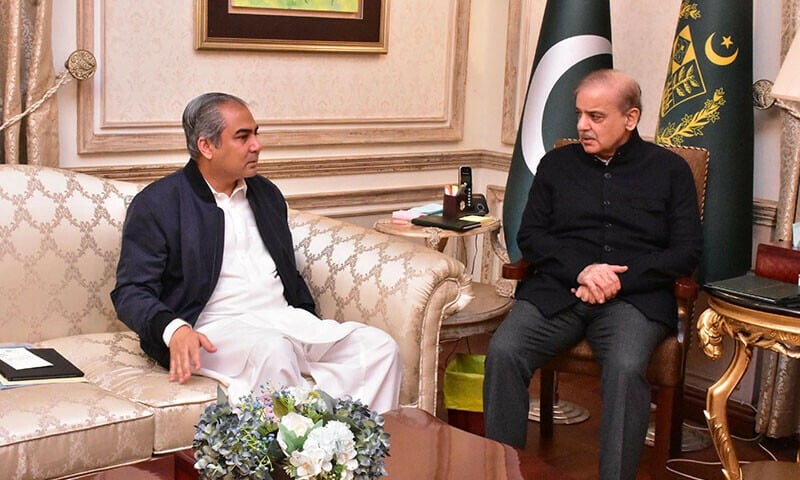
The provincial government often complains that the federal government is not cooperating fully in security matters. Simultaneously, the federal authorities accuse the provincial administration of poor governance and political irresponsibility. This widening gap between Islamabad and Peshawar has created a dangerous vacuum that militants are exploiting effectively.
Security challenges cannot be managed through press conferences and accusations. They require constant coordination, intelligence sharing, trust-building and strategic continuity. Unfortunately, none of these elements appear sufficiently present today.
The statements coming from federal ministers claiming that all institutions are “on the same page” do not match the realities visible on the ground. If the political and security leadership were truly operating with complete coordination, then why does Khyber Pakhtunkhwa continue witnessing repeated large-scale attacks? Why are police stations still vulnerable? Why are terrorists repeatedly capable of regrouping and reorganizing?
The reality is uncomfortable but undeniable: mistrust between political stakeholders has weakened the national response against militancy.
Khyber Pakhtunkhwa is carrying the burden of Pakistan’s frontline war against terrorism once again. Yet many in the province feel abandoned. The perception among citizens is that while Punjab enjoys relative security and political attention, Khyber Pakhtunkhwa is left alone to absorb the violence. This perception may not fully reflect institutional realities, but politically and psychologically it is becoming stronger with every attack.
The issue is not merely about funds. Authorities often refer to the billions allocated for counterterrorism capacity and police modernization. However, serious questions remain unanswered. Where exactly were these funds utilized? Were the weapons, surveillance systems and modern equipment procured according to operational needs? Were they distributed effectively? Was there independent auditing? Were officers properly trained to use advanced technology?
These questions become even more important after repeated attacks on supposedly fortified police installations.
The destruction of police checkpoints despite earlier reinforcements reveals operational vulnerabilities that cannot be ignored. Every major terrorist incident must be subjected to transparent professional review. Unfortunately, Pakistan rarely conducts public institutional learning after terrorist attacks. Incidents occur, condolences are issued, funerals are held and then the nation moves on until the next tragedy arrives.
Without accountability and research, failures continue repeating themselves.
Another deeply alarming dimension is the growing concern regarding extremist sympathies or pressures within segments of local structures. Reports indicating that some individuals within government departments or local policing systems may possess familial, tribal or ideological links with militant networks cannot simply be dismissed casually. This does not mean entire institutions are compromised, but even limited infiltration can create devastating consequences in intelligence-sensitive operations.
Militant organizations understand local social structures extremely well. They exploit tribal loyalties, fear, coercion and economic vulnerabilities. In many areas, police officers themselves operate under immense pressure because militants target not only them but also their families and communities.
This creates an extremely difficult environment for effective policing.
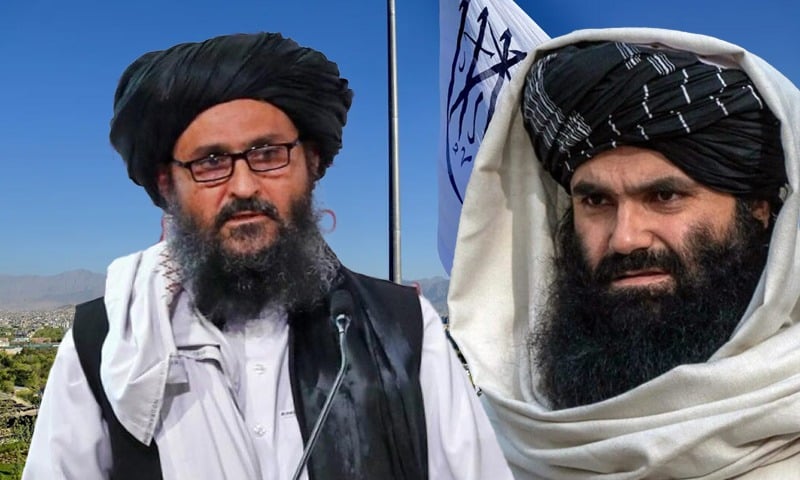
At the same time, developments across the Afghan border continue intensifying Pakistan’s security concerns. Statements by senior Pakistani diplomats and officials regarding the presence of multiple militant camps inside Afghanistan have added further seriousness to the situation. Whether one labels them TTP factions, Al-Qaeda affiliates, Daesh-inspired networks or foreign fighters, the fact remains that militant sanctuaries across the border continue to pose a direct threat to Pakistan’s internal stability.
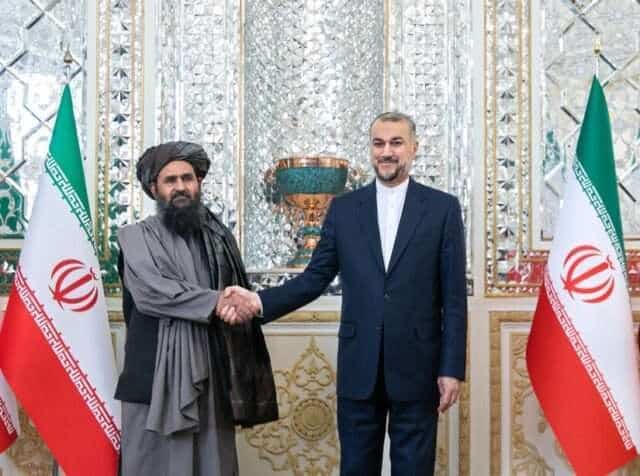
The Afghan Taliban government repeatedly insists that Afghan soil will not be allowed to be used against any country. However, Pakistan’s security concerns persist because attacks inside Khyber Pakhtunkhwa continue with increasing frequency and sophistication.
This contradiction has become one of the most difficult diplomatic and security challenges facing Pakistan today.
However, it is also important to avoid exaggeration or speculative narratives unsupported by evidence. Claims regarding an Israel-India-Taliban nexus should be approached with caution and seriousness rather than emotion. Intelligence concerns must always be investigated professionally, but public discourse should avoid transforming every security challenge into a grand international conspiracy without verifiable proof.
There is no doubt that hostile powers may seek to exploit instability inside Pakistan for strategic purposes. Regional rivalries undoubtedly shape intelligence operations and geopolitical competition. However, Pakistan must also honestly confront its internal weaknesses instead of attributing every failure solely to foreign actors.
Weak governance, political polarization, institutional mistrust and inconsistent policies have contributed significantly to the present crisis.
Counterterrorism cannot succeed merely through military operations or police bravery alone. It requires a comprehensive state response. Political leadership must rise above partisan conflict and recognize that terrorism threatens every institution equally. The provincial and federal governments must establish continuous coordination mechanisms instead of occasional emergency meetings after attacks occur.
Daily communication between security stakeholders, weekly operational reviews and long-term strategic planning are essential. Counterterrorism policy cannot function through reactive measures only. It requires consistency, intelligence integration, technological modernization and above all political consensus.
Equally important is restoring public trust.
The people of Khyber Pakhtunkhwa have sacrificed enormously over the past two decades. Thousands of civilians, policemen, soldiers, tribal elders, journalists and political workers have lost their lives. Entire communities endured displacement and economic devastation during military operations and militant occupations. Yet despite these sacrifices, many citizens still feel insecure and politically neglected.
The state must demonstrate through action not slogans that Khyber Pakhtunkhwa matters equally in Pakistan’s national priorities.
Police reforms must be revived urgently. Merit-based appointments, operational autonomy, modern training, forensic capabilities, cyber intelligence systems and welfare protections for officers are no longer optional; they are national security necessities. Policemen confronting suicide attackers and heavily armed militants cannot be expected to succeed with outdated resources and politicized command structures.
Furthermore, parliamentary oversight and public transparency regarding security expenditures should be strengthened. Citizens deserve clarity on how counterterrorism funds are utilized. Effective governance requires accountability.
The challenge today is not only military; it is institutional and political.
Pakistan must also revisit its broader regional strategy. Sustainable peace cannot emerge solely through border fencing and tactical responses. Diplomatic engagement with Afghanistan, regional intelligence coordination and international pressure against militant sanctuaries remain essential components of long-term stability.
At the same time, extremist ideologies within society must be challenged intellectually and politically. Militancy survives not only through weapons but also through narratives of grievance, radicalization and state mistrust. Educational reforms, economic opportunities and community engagement remain critical tools in preventing future generations from falling into extremism.
The situation in Khyber Pakhtunkhwa is still recoverable, but the window for corrective action is narrowing rapidly.
What is needed now is seriousness, unity and institutional honesty. The province cannot afford another cycle of denial and political blame games while policemen continue dying on the frontlines. Every attack on a police station is not merely an attack on a building; it is an attack on the writ of the state itself.
Pakistan has defeated terrorism before through national resolve, coordination and sacrifice. It can do so again. But success will require abandoning political distractions and focusing on governance, professionalism and strategic clarity.
The people of Khyber Pakhtunkhwa deserve more than sympathy after funerals. They deserve security, dignity and a state fully committed to protecting them.
History will not judge governments by their speeches. It will judge them by whether they acted before the fire spread beyond control.