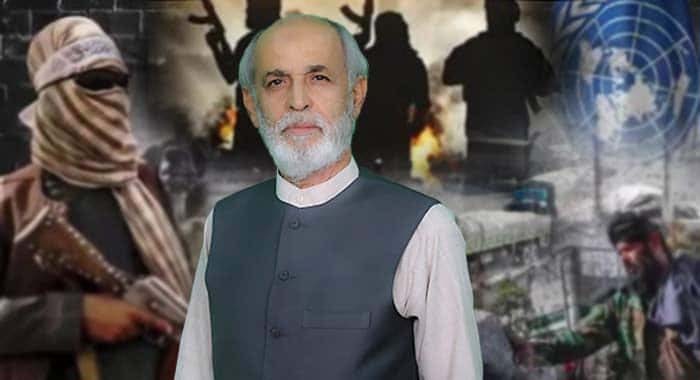
(Shamim Shahid)
Pakistan is once again confronting a dangerous security reality. From the tribal belt of Khyber Pakhtunkhwa (KP) to the mountainous districts of Balochistan, violence is escalating with alarming frequency. Terrorist attacks on security personnel, targeted assassinations, suicide bombings, and cross-border security concerns have become recurring headlines rather than isolated incidents. At the same time, Afghanistan’s internal instability continues to cast a long shadow over Pakistan’s western frontier.
The recent attack on a police checkpoint in Tank district, the deadly assault on a Sessions Judge in Mastung, and renewed concerns over the presence of multiple militant organizations all point toward one uncomfortable conclusion: Pakistan’s current security approach is struggling to produce lasting stability.
Military operations remain an essential component of counterterrorism, but recent developments suggest that force alone cannot resolve a conflict that has deep political, social, and regional dimensions. The country now faces an important question: Is it time to rethink the broader strategy?
Any discussion about Pakistan’s security environment must begin with Afghanistan. The fate of both countries remains closely interconnected, and developments on one side of the border inevitably influence the other. Although cross-border hostilities between Pakistan and Afghanistan have reportedly decreased over the past month, Afghanistan itself continues to experience growing internal political tensions.
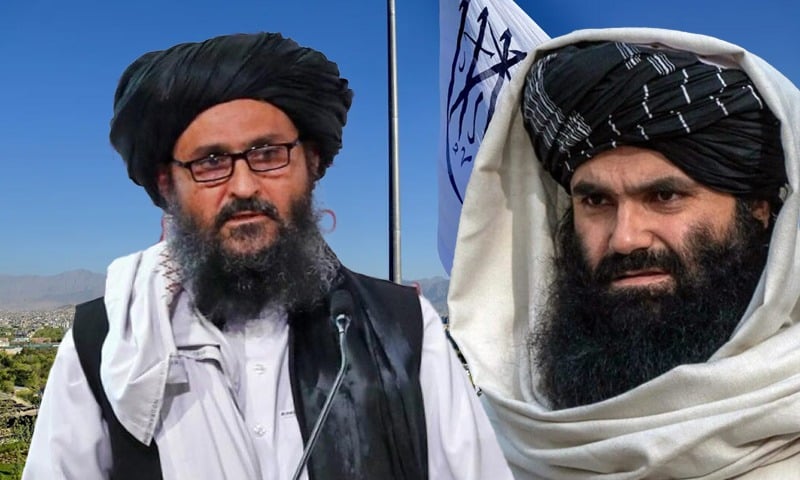
Observers argue that the Taliban administration is facing increasing criticism from within Afghan society. Political figures who had previously remained relatively silent during periods of heightened tensions with Pakistan have begun openly questioning the direction of Taliban governance.
Former Afghan Interior Minister Omar Daudzai, who also served as Afghanistan’s ambassador to Pakistan and once acted as Kabul’s special representative for Pakistan, recently criticized the Taliban in an international interview. He reportedly argued that the Taliban’s rule survives primarily because of external support rather than genuine public legitimacy. While he refrained from naming any country directly, his remarks suggested that foreign backing continues to play an important role in sustaining the current government.
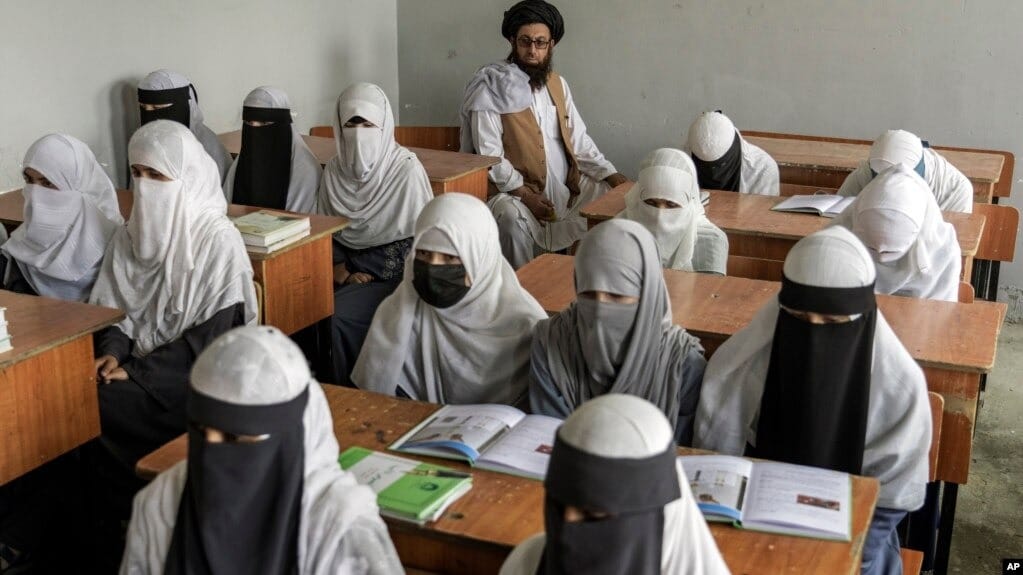
Daudzai is not alone. Former Afghan Vice President Amrullah Saleh has also repeatedly criticized Taliban policies, particularly restrictions imposed on women’s education and civil liberties. These voices reflect a broader political undercurrent that appears to be gaining momentum inside Afghanistan.
The Taliban’s handling of security incidents has also attracted international criticism. Following unrest in Badakhshan province, reports emerged alleging that several detainees were killed without trial after being arrested. International organizations, including the European Union and the United Nations human rights mechanisms, reportedly expressed serious concerns regarding these allegations and urged accountability.
Natural disasters have further complicated Afghanistan’s internal challenges. A devastating cloudburst-triggered flood in Nuristan reportedly killed at least 23 people, while more than one hundred others were reported missing. Homes, hotels, and private property suffered extensive destruction. According to local reports, many affected communities expressed dissatisfaction over what they viewed as an inadequate official relief response.
These developments indicate that Afghanistan is not only confronting political dissatisfaction but also humanitarian and governance challenges. For Pakistan, this matters immensely. An unstable Afghanistan has historically created security, humanitarian, and geopolitical pressures across the border. Therefore, developments inside Afghanistan cannot be viewed as separate from Pakistan’s own security calculations.
The latest attack in Tank district highlights the increasingly dangerous environment facing security personnel in Khyber Pakhtunkhwa. The attack targeted the Manji Khel police checkpoint, one of the significant security installations in the area. According to official reports, approximately forty police personnel were present when militants launched a large-scale assault.
The officially confirmed figures indicate:
- Eight police personnel embraced martyrdom.
- Twenty-three others sustained injuries.
- Authorities also claimed that all militants involved in the attack were eliminated during the security response, although independent confirmation regarding militant casualties has not yet emerged.
Reports indicate that the assault began with an explosives-laden vehicle striking the checkpoint before heavily armed militants launched the main attack. The scale and sophistication of the operation once again demonstrate that militant groups continue to possess operational planning capabilities despite years of military campaigns.
Perhaps even more concerning was the delay in obtaining accurate information regarding casualties. Immediately after the attack, there appeared to be considerable uncertainty regarding the number of martyred and injured officers. Such delays can fuel public confusion, misinformation, and anxiety during national security emergencies. Transparent and timely communication is an essential part of crisis management and helps maintain public confidence.
The Tank incident did not occur in isolation. Districts including Tank, Dera Ismail Khan, Kolachi, Lakki Marwat, and Bannu have witnessed repeated attacks over the past several years. Each attack is generally followed by official announcements regarding tightened security, fresh operations, and claims that militant networks have been dismantled. Yet the attacks continue.
This recurring cycle raises important policy questions. Military operations undoubtedly disrupt terrorist infrastructure and remain necessary where armed groups threaten public safety. However, if violence repeatedly returns to the same districts, policymakers must also examine whether broader political, governance, intelligence, and community engagement strategies require strengthening.
Security experts have long argued that successful counterinsurgency depends not only on military pressure but also on building trust between local communities and the state. Without local confidence, intelligence gathering becomes more difficult, extremist narratives become easier to spread, and militants often find opportunities to regroup. Winning territory is important. Winning public confidence is even more important.
The attack in Mastung, Balochistan, further illustrates the deteriorating security landscape. The killing of Sessions Judge Nasir Kakar, along with his security guard, represents far more than an attack on an individual. Judges symbolize the authority of the state and the rule of law. Targeting a senior judicial official demonstrates that militant groups remain willing to challenge state institutions directly. Reports now suggest that the so-called Islamic State (Daesh/ISIS) has claimed responsibility for the attack. If confirmed, the incident raises fresh concerns regarding the evolving militant landscape inside Balochistan.
One of the most troubling developments emerging from Balochistan is the reported presence of multiple militant organizations operating simultaneously. The province has long faced violence associated with Baloch separatist groups. In recent years, reports have also suggested the growing presence of Tehreek-e-Taliban Pakistan (TTP) elements in certain areas. Now, claims of responsibility by Daesh add another layer of complexity. Whether these organizations coordinate operationally or simply exploit the same unstable environment remains a matter requiring careful investigation by security agencies.
However, from a strategic perspective, the distinction may matter less than the broader reality.
The simultaneous presence of multiple violent actors creates a highly complicated security environment where threats become increasingly unpredictable. Each organization may have different ideological objectives, recruitment methods, and operational tactics. That makes counterterrorism significantly more difficult.
One recurring theme emerging from security analysts is the importance of complementing military action with political engagement. Security operations remain indispensable against armed groups. But operations alone rarely resolve long-running insurgencies. Governments must also strengthen governance, improve public services, encourage political participation, and build partnerships with local communities. In Balochistan particularly, many observers argue that political dialogue deserves greater attention alongside security measures.
Without meaningful engagement with legitimate political stakeholders, public grievances may continue to create opportunities for extremist organizations to exploit dissatisfaction. Political inclusion does not weaken national security. It can strengthen it.
Counterterrorism ultimately depends not only on weapons and intelligence but also on public trust. Citizens who believe state institutions are responsive are more likely to cooperate with law enforcement. Communities that trust government officials are generally more willing to share information about suspicious activities. Transparency after security incidents also plays a vital role. Timely updates regarding casualties, operations, and investigations help counter misinformation and reassure the public during periods of uncertainty. In today’s digital era, delayed communication often creates space for rumors to spread much faster than verified information.
Pakistan’s security challenges do not exist in isolation. Instability inside Afghanistan, cross-border militant movement, humanitarian crises, ideological extremism, and regional geopolitical competition all influence domestic security conditions. This means that Pakistan’s long-term security strategy must include:
- Continued border management improvements.
- Strong intelligence coordination.
- Diplomatic engagement with Afghanistan where possible.
- Regional cooperation against transnational terrorism.
- Humanitarian preparedness for cross-border instability.
Security today extends far beyond traditional military considerations. It increasingly involves governance, diplomacy, economic stability, and public resilience.
The recent attacks in Tank and Mastung should not simply be viewed as isolated security incidents. Together, they illustrate broader structural challenges facing Pakistan. Repeated attacks despite ongoing operations suggest that tactical successes are not yet translating into strategic stability. Afghanistan’s internal political tensions, humanitarian crises, and governance challenges further complicate Pakistan’s security environment. Meanwhile, Balochistan’s evolving militant landscape raises difficult questions about how multiple extremist organizations may be exploiting existing vulnerabilities.
None of these problems have quick solutions. However, history consistently demonstrates that durable peace requires more than battlefield victories. It requires effective governance, credible political engagement, strong institutions, public confidence, regional diplomacy, and sustained economic development. Military operations remain necessary against those who threaten innocent lives.
But they should form one pillar of a broader national strategy rather than the entire strategy itself. Pakistan has repeatedly demonstrated resilience in the face of terrorism. The challenge now is to convert resilience into lasting stability. That will require balancing security with politics, enforcement with engagement, and immediate responses with long-term reforms. Only through such a comprehensive approach can Pakistan hope to reverse the cycle of recurring violence and build a more secure future for Khyber Pakhtunkhwa, Balochistan, and the nation as a whole.