
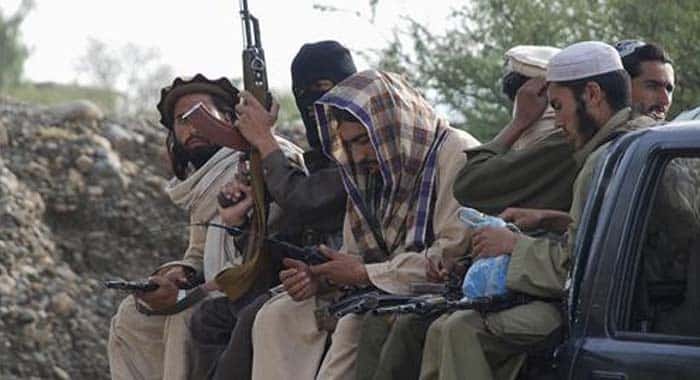
The Tehreek-e-Taliban Pakistan (TTP) and the Hafiz Gul Bahadur group are reportedly facing growing restrictions and operational difficulties inside Afghanistan, with a 45-day deadline allegedly issued by Islamic Emirate of Afghanistan Supreme Leader Mullah Hibatullah Akhundzada for the TTP to leave the country set to expire in three days, according to sources familiar with the developments.
The reported deadline, alongside accounts of detentions involving members of the two groups across several Afghan provinces, points to heightened tensions between the Afghan Taliban authorities and armed groups that have operated from Afghan territory. However, neither the TTP nor the Islamic Emirate of Afghanistan has officially confirmed these developments.
According to sources, TTP and Hafiz Gul Bahadur group leaders and fighters have recently encountered increasing difficulties in Afghanistan. Dozens, and reportedly hundreds, of fighters have allegedly been detained in a number of provinces, including Kunar, Khost, Paktika, Ghazni, Logar, Maidan Wardak, Kabul, Helmand and Kandahar.
If confirmed, these detentions would indicate a significant development in the relationship between the Afghan authorities and armed groups operating from Afghan territory. The reported spread of detentions across multiple provinces also raises questions about the extent of the restrictions, the status of the detained individuals and the future operating environment for these groups.
Independent confirmation of the number of detainees, the circumstances surrounding their detention and the precise measures taken by Afghan authorities remains unavailable.
Sources further indicate that TTP chief Mufti Noor Wali Mehsud had become increasingly dissatisfied with the treatment of his organisation by the Islamic Emirate and had moved towards the Kurram section of the Pakistan-Afghanistan border.
The reported movement comes amid indications of friction between the TTP leadership and Afghan authorities over the group’s presence and activities in Afghanistan. The alleged departure or relocation of senior leadership would carry potential implications for the organisation’s command structure, internal coordination and cross-border operations.
However, the reported movement of Mufti Noor Wali Mehsud has not been independently verified, and no official statement has been issued by the TTP or the Afghan authorities confirming the development.
The reported developments come as the Islamic Emirate faces mounting international and domestic pressure. The alleged deadline for the TTP to leave Afghanistan, together with reports of detentions and restrictions, has drawn attention to the challenges surrounding the presence of armed groups on Afghan soil.
For neighbouring countries, particularly Pakistan, the activities of armed groups operating from across the border remain a major security concern. Any verified measures by Afghan authorities to restrict such groups could have implications for cross-border security and the broader regional security environment.
At the same time, the extent and durability of any change in the Afghan authorities’ approach will depend on the measures actually implemented and whether they result in a sustained reduction in the operational freedom of armed groups.



