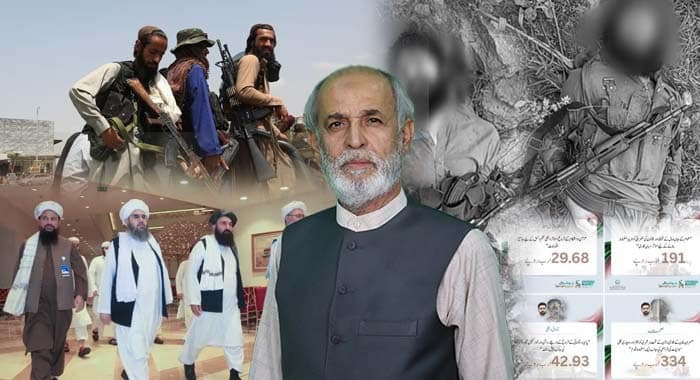
The recent intelligence-based operations in Wana and Dir once again demonstrated the professionalism, reach and effectiveness of Pakistan’s security forces. The elimination of terrorists in these operations is an important achievement, but it would be a mistake to view these incidents in isolation. If we are serious about understanding the security situation in Khyber Pakhtunkhwa and Pakistan as a whole, we must look beyond individual operations and examine the broader picture.
The reality is that if the situation were fully satisfactory, there would be no need for continuous operations. Over the past weeks and months, incidents and security operations have been reported from Wana, Dir, Swabi, Bannu and areas surrounding Peshawar. On one hand, security forces continue to conduct successful intelligence-based operations and eliminate terrorists. On the other hand, terrorist networks continue attempting attacks and maintaining their presence in various areas. These two realities are unfolding simultaneously.
This does not mean that security operations are failing. In fact, the opposite is true. The fact that terrorist hideouts are being identified and targeted reflects the effectiveness of intelligence gathering and operational capabilities. However, it also highlights that the terrorist infrastructure has not been completely dismantled. The challenge remains persistent, and therefore a broader strategy is required.
According to official figures released over the years, tens of thousands of intelligence-based operations have been conducted across Pakistan. Thousands of terrorists have been neutralized, arrested or disrupted. Yet the threat continues to reappear in different forms. This should lead us to ask a fundamental question: why does terrorism continue despite years of military and intelligence successes?
In my view, one reason is that terrorism is not merely a military problem. It is also an ideological, political, social and governance challenge. Pakistan’s security forces can eliminate terrorists in the field, but the mindset that produces, supports or tolerates extremism cannot be addressed solely through military means.
This brings us back to the lessons learned after the horrific attack on the Army Public School in Peshawar. Following that tragedy, Pakistan’s political leadership, security institutions and various stakeholders came together to formulate the National Action Plan. The objective was not only to target terrorists but also to address the broader ecosystem that enables extremism.
Significant progress has undoubtedly been made since then. Many terrorist networks have been dismantled. Major sanctuaries have been cleared. Intelligence coordination has improved. Yet some of the non-kinetic aspects of the challenge remain unresolved. We must honestly acknowledge this reality if we want lasting success.
One aspect that deserves particular attention is the issue of Talibanization. For years, there were segments within society that viewed certain extremist narratives with sympathy, ambiguity or silence. That ambiguity has gradually diminished as Pakistan has paid a heavy price in blood and sacrifice.
It is encouraging that leaders from different schools of thought have increasingly recognized the threat posed by terrorism. Even political and religious leaders who were once perceived by critics as being relatively accommodating toward the Afghan Taliban have become more vocal regarding the dangers of extremism and violence. The position adopted by figures such as Maulana Fazlur Rehman reflects a broader realization that terrorism ultimately threatens society as a whole regardless of political affiliation or ideological orientation.
This is why engagement with religious scholars, political parties, educational institutions and community leaders remains essential. Counter-terrorism cannot be viewed exclusively through a security lens. The ideological dimension must also be addressed if long-term stability is to be achieved.
Another issue that deserves serious discussion is the condition of policing in Khyber Pakhtunkhwa. Police officers are often the first line of defense against terrorism. They perform difficult duties under dangerous circumstances and have suffered significant casualties over the years.
However, concerns continue to be raised regarding resource allocation and operational preparedness. A large portion of police budgets is consumed by salaries and administrative expenditures, leaving comparatively fewer resources available for operational requirements, modernization, intelligence support, mobility and specialized training. In a province facing persistent security threats, this issue deserves careful attention.
The solution is not merely to increase funding. Better coordination among police departments, welfare institutions, provincial authorities and security stakeholders is equally important. Counter-terrorism requires an integrated approach. Institutions must communicate effectively, share information and operate within a common strategic framework.
At the same time, we must not ignore the role of internal facilitators. Terrorists do not operate in a vacuum. External support and cross-border dynamics may contribute to the problem, but terrorist networks also depend on local facilitators, informants, logistical supporters and sympathizers. Any serious counter-terrorism strategy must address both dimensions simultaneously.
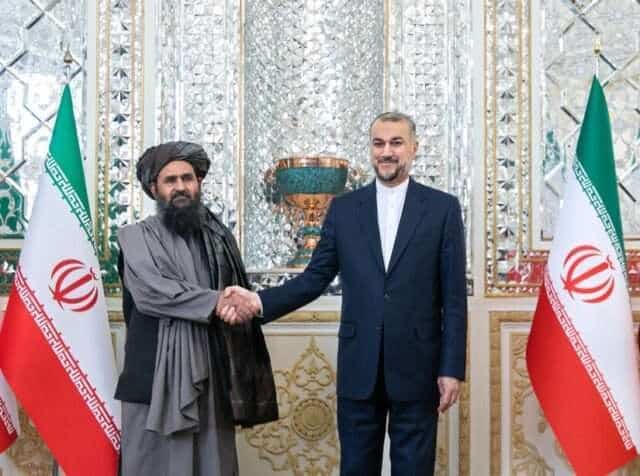
The regional environment further complicates matters. Recent developments involving Afghanistan deserve close attention. A Taliban delegation’s visit to Brussels represents an important diplomatic development. It illustrates the Taliban administration’s desire to expand international engagement and reduce its isolation. Discussions reportedly covered political, diplomatic and economic issues, as well as the status of Afghan migrants residing in Europe.
In this context, statements by Afghan Foreign Ministry spokesperson Abdul Qahar Balkhi attracted attention because they reflected Kabul’s efforts to project itself as a responsible diplomatic actor. At the same time, European governments continue to approach Afghanistan cautiously. While there is interest in dialogue, concerns remain regarding governance, human rights and the treatment of returning migrants.
The debate surrounding the return of Afghan migrants is particularly significant. European countries increasingly seek solutions for undocumented migrants, while human rights organizations emphasize the need to ensure that returnees are treated fairly and protected from retaliation. Human Rights Watch researcher Ferishta Abbasi has been among those highlighting these concerns.
The larger question, however, is whether diplomatic engagement alone can transform Afghanistan’s position in the international community. In my view, the answer is no.
No amount of diplomatic outreach can fully compensate for unresolved internal challenges. Afghanistan’s leadership has succeeded in establishing working relations with several countries. Russia has taken significant steps toward engagement. China maintains regular contacts. Central Asian states continue economic and political interactions. Yet international legitimacy ultimately depends on conditions within Afghanistan itself.
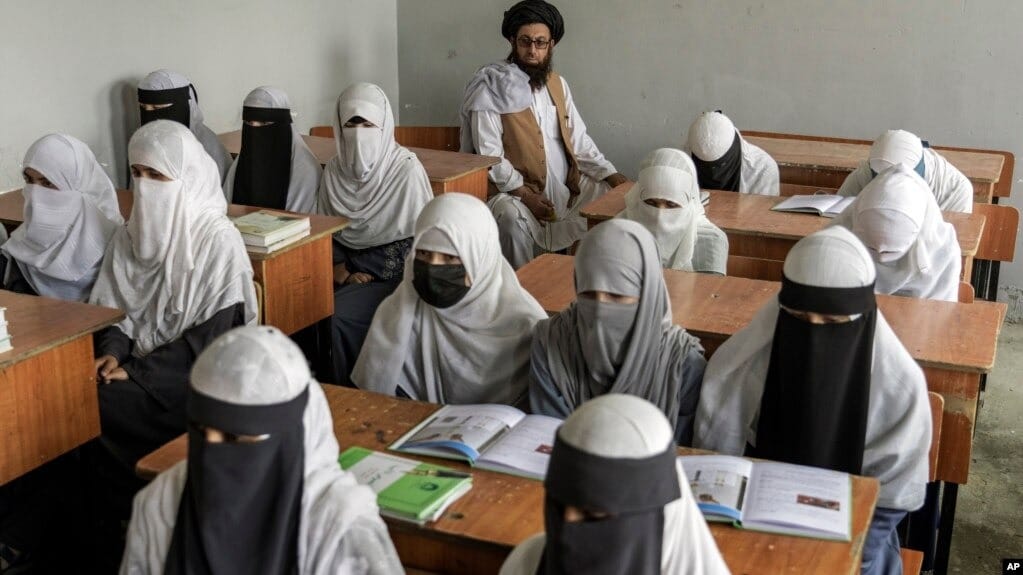
The Afghan people continue to face serious economic hardships. Concerns regarding education, healthcare, employment opportunities and governance remain prominent. International actors closely monitor these issues, and their assessment of Afghanistan will be shaped primarily by developments on the ground rather than diplomatic visits abroad.
The political situation inside Afghanistan is also complex. Former vice president Amrullah Saleh and other critics of the Taliban administration continue to argue that the government lacks broad-based public support. Whether one agrees with that assessment or not, it reflects the existence of unresolved political divisions within Afghan society.
At the same time, the Taliban benefit from the fragmentation of their opponents. Opposition figures are dispersed across different countries and regions. They lack organizational cohesion, unified leadership and a common political platform. This reality has contributed significantly to the Taliban’s ability to maintain control despite criticism from various quarters.
For Pakistan, these developments matter because instability in Afghanistan inevitably affects regional security. Geography ensures that developments on one side of the border cannot be completely separated from realities on the other. This is why Pakistan has consistently emphasized the importance of a peaceful, stable and economically viable Afghanistan.
The lesson from Wana, Dir and the broader regional environment is straightforward. Security operations remain essential and must continue wherever terrorist threats emerge. Pakistan’s security forces have demonstrated remarkable professionalism and sacrifice in carrying out this mission. However, military success alone cannot guarantee lasting peace.
Long-term stability requires strong institutions, effective policing, political consensus, ideological clarity, community engagement and regional stability. It requires denying terrorists physical space while also denying them ideological space. It requires confronting both external threats and internal enablers. And it requires recognizing that the battle against terrorism does not end when an operation concludes.
The operation may end in Wana or Dir. The larger struggle for security, stability and national resilience continues.