
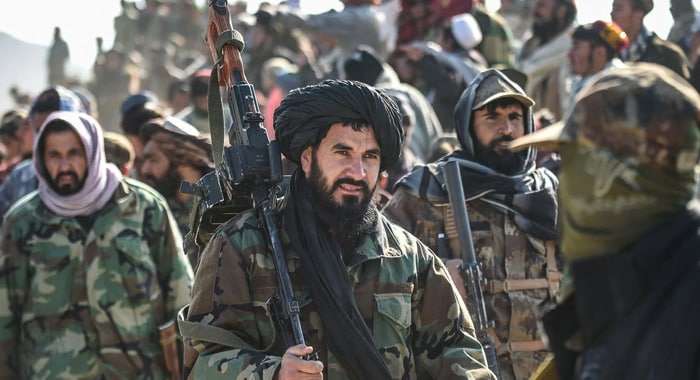
In a significant development with potential implications for regional security and diplomatic relations, the Islamic Emirate of Afghanistan has reportedly agreed to undertake decisive action against the Tehrik-i-Taliban Pakistan (TTP) and other foreign militant groups operating within Afghan territory.
According to multiple credible sources, including officials familiar with internal deliberations, a high-level meeting of senior Afghan authorities was recently convened in Kabul. During the session, firm directives were issued mandating the identification, monitoring, and detention of all illegal foreign nationals involved in militant activities, with particular focus on TTP operatives.
Sources from both Afghan Taliban circles and individuals linked to TTP suggest that enforcement measures are already underway. Reports indicate a noticeable decline in the presence of TTP fighters within Afghanistan. Additionally, several Afghan Taliban members who had reportedly crossed into Pakistan alongside TTP elements have been detained as part of the ongoing efforts.
The reported actions align with Afghanistan’s reiterated commitment to the principle that its territory will not be used to threaten the security of other nations. This position has been emphasized in recent diplomatic engagements led by Afghan Foreign Minister Amir Khan Muttaqi, who has held discussions with key regional stakeholders, including China, Qatar, and the United Arab Emirates.
Diplomatic sources indicate that these engagements placed increasing emphasis on addressing Pakistan’s longstanding concerns regarding cross-border militancy. Regional partners are understood to have encouraged Afghan authorities to take tangible steps to curb the activities of militant groups targeting neighboring states.
Analysts view these developments as partly the result of sustained diplomatic engagement by Pakistan, which has consistently raised the issue through bilateral and multilateral channels. Pakistan’s approach has combined both strategic pressure and constructive dialogue, highlighting the urgency of addressing security threats emanating from across the border.
Experts further note that continued inaction on this front could have had adverse implications for Afghanistan’s economic prospects and diplomatic relationships, particularly in relation to trade and regional integration initiatives. As such, the reported measures are being interpreted as a pragmatic step toward strengthening regional stability and fostering improved relations with neighboring countries.
While independent verification of all operational details remains limited, the reported policy shift if sustained marks a potentially important milestone in efforts to combat transnational militancy and enhance cooperative security frameworks in the region.



