
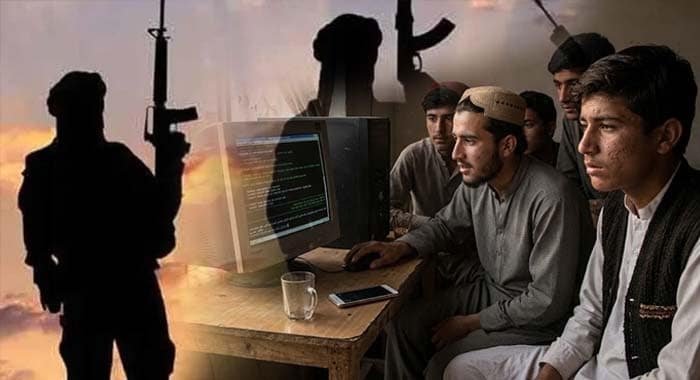
Families in several districts of Balochistan have reported cases in which teenagers and young adults gradually become distant from their households before disappearing or allegedly becoming associated with militant networks. Their accounts raise serious concerns about the social, political, economic and digital factors that may make some young people vulnerable to extremist influence and why families often recognise potential warning signs only after their children have left home.
The preliminary research, based primarily on interviews with families, suggests that there is no single pathway into militant involvement. Instead, economic hardship, unemployment, political grievances, social isolation, identity, peer influence, family circumstances and online relationships may interact in complex ways.
The issue is particularly concerning among young people aged 13 to 20, a formative period when individuals seek independence, develop political opinions and look for recognition, belonging and purpose. However, the reported cases require further independent verification, and disappearance alone does not establish involvement in militancy.
During adolescence and early adulthood, young people become increasingly influenced by friendships, social networks and ideas encountered outside their immediate families. Individuals or networks promoting extremism may exploit feelings of exclusion, frustration or injustice by presenting themselves as sources of identity, solidarity and purpose.
Families interviewed for the research described changes in behaviour before their children disappeared or allegedly became connected with militant groups. These included increased secrecy, unfamiliar friendships, prolonged mobile-phone use, new political interests and unexplained travel plans.
Such changes do not independently prove extremist involvement. However, when combined with credible indications of coercion, encouragement of violence or contact with individuals connected to armed organisations, they may warrant closer attention.
The issue is not confined to young men. Although many reported cases concern boys who allegedly left home and later became associated with militant networks, girls may also encounter extremist narratives through online relationships and personal contacts. Families described boys becoming increasingly secretive about friendships, mobile phones and movements outside the home. In some accounts involving girls, restricted mobility appeared to make online communication particularly important.
These observations remain preliminary and require further research across different districts and socioeconomic backgrounds. Prevention efforts must consider individual circumstances rather than assume that all boys and girls experience the same risks.
Economic hardship, unemployment and limited educational opportunities feature prominently in family accounts. Financial pressures can limit access to education and employment while leaving parents with less time to engage with their children.
However, poverty alone cannot explain militant recruitment. Some reported cases involve educated young people or individuals from comparatively stable households. Political alienation, loneliness, identity-related concerns and a desire for recognition may also contribute to vulnerability.
Thousands of young people experience economic difficulties and political frustration without becoming involved in violence. Researchers must therefore identify the specific circumstances that distinguish those who become vulnerable from those who do not.
A recurring theme in the interviews is the gap between parents’ understanding of their children’s lives and the relationships young people maintain outside the household. Some parents said they were unaware of their children’s online contacts, political interests, friendships or participation in messaging groups. Employment pressures, family responsibilities and limited digital knowledge may make it difficult for parents to recognise changes in their children’s social environments.
WhatsApp, Telegram and other digital platforms were mentioned in accounts concerning young people’s communication and online relationships. However, these platforms are widely used for legitimate purposes and should not themselves be treated as evidence of extremist activity. The concern is whether particular individuals or networks use digital communication to manipulate young people, encourage violence or facilitate contact with armed organisations.
A teenager may appear to be spending an ordinary day at home while maintaining a separate online social environment that their family barely understands. Improving parental digital literacy and encouraging open conversations about online relationships could help narrow this information gap.
Families reported that some young people became increasingly interested in political discussions, poetry, videos and material concerning unemployment, conflict, alleged enforced disappearances and other grievances in Balochistan.
Such interests are not inherently extremist. Peaceful political expression, criticism of government policies and discussion of injustice are legitimate forms of public engagement. The danger arises when individuals exploit genuine grievances to promote violence, portray armed organisations as the only path to justice or encourage young people to regard violent action as necessary or heroic.
The process may develop gradually, beginning with political discussions or online friendships before becoming a deeper personal or ideological relationship. Nevertheless, family interviews alone cannot establish how frequently this occurs or whether particular contacts are linked to militant organisations. Understanding the difference between legitimate political engagement and recruitment into violence is essential to developing effective prevention strategies.
Some families reported becoming aware of the seriousness of their children’s circumstances only after they had left home. A young person may depart for school, university, employment, a friend’s house or another apparently ordinary activity, leaving relatives uncertain about their actual whereabouts. By that stage, opportunities for early intervention may have narrowed.
However, young people leave home for many reasons, including family conflict, educational ambitions, personal relationships and the desire for independence. An unexplained absence must not automatically be interpreted as evidence of militant recruitment. Families should prioritise the young person’s safety, establish the facts and seek assistance from relevant authorities when there are credible concerns about disappearance, coercion or exploitation.
For minors, particularly those aged 13 to 17, safeguarding is especially important. Children who may have been manipulated or coerced require an age-appropriate response focused on protection, support and their individual circumstances.
Education can improve critical thinking and expand opportunities, but it does not automatically protect young people from extremist influence. Educated individuals may have greater access to political literature, online communities and digital networks. If they experience social isolation or political alienation, they may still be receptive to narratives promising recognition, identity or a clear explanation for complex problems.
Schools, universities and community organisations can contribute by strengthening media literacy, encouraging constructive political discussion and helping young people assess competing claims. Such efforts must not become tools for suppressing dissent. Their purpose should be to help young people distinguish reliable information from manipulation and peaceful activism from advocacy of violence.
The preliminary findings highlight important questions but cannot independently establish the scale or precise mechanisms of militant recruitment in Balochistan. Further investigation should examine missing-person reports, relevant police and court records, verified digital evidence and interviews with affected families. Where appropriate and safe, researchers should also engage with former members of militant organisations and specialists in youth vulnerability and violent extremism.
Researchers must distinguish confirmed cases of recruitment from unverified allegations and ordinary disappearances. They should also protect the privacy of vulnerable families and avoid exposing minors to unnecessary risks. Comparisons between young people who allegedly became involved in militant networks and others facing similar social and economic circumstances would help identify which factors are genuinely associated with increased vulnerability.
An effective response requires more than security measures. It should combine prevention, family support, education and credible opportunities for peaceful participation.
Key priorities include:
- Strengthening family communication: Encouraging open discussions about friendships, political opinions, personal difficulties and online relationships without immediate accusations or punishment.
- Improving digital literacy: Helping parents and young people recognise manipulation, misleading content and credible signs of coercion or encouragement of violence.
- Expanding education and employment: Providing realistic opportunities for young people to develop skills, pursue careers and participate meaningfully in their communities.
- Addressing legitimate grievances: Creating credible channels for peaceful political expression and ensuring that allegations of wrongdoing can be investigated through lawful and transparent processes.
- Providing early support: Enabling schools, counsellors and community organisations to assist young people experiencing isolation, distress or potentially exploitative relationships.
- Protecting vulnerable minors: Ensuring that suspected coercion or recruitment is assessed individually, with appropriate safeguards and support for children.
These measures cannot guarantee the elimination of militant recruitment, but they can help families and institutions respond earlier to genuine risks.
The emerging accounts from Balochistan suggest that young people’s vulnerability to militant influence cannot be explained by poverty, lack of education, political dissatisfaction or one social-media platform alone. Instead, several factors may interact: economic pressures can create frustration, political grievances can shape perceptions, social isolation can increase the desire for belonging, and online relationships can expose young people to new influences.
The central question is not simply why some young people leave their homes, but what happens in the weeks and months beforehand and whether families and institutions can recognise genuine risks before violence or exploitation occurs. For Balochistan, a sustainable prevention strategy must combine the protection of young people with better education, employment opportunities, family communication, digital awareness and credible responses to legitimate political and social grievances.
The objective must be to prevent young people from being drawn into violence without treating an entire generation’s political concerns, online activities or search for identity as evidence of extremism.



