
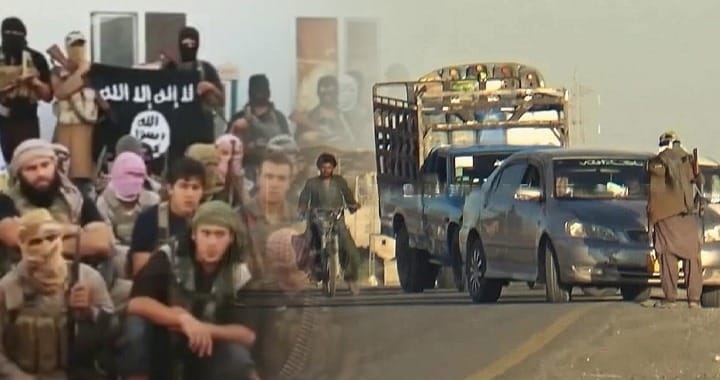
Recent propaganda efforts emerging from North Waziristan and Balochistan have highlighted a growing trend among terrorist organizations operating against Pakistan: the increasing use of social media narratives to compensate for setbacks on the ground.
The latest example surfaced in North Waziristan, where Fitna al-Khwarij circulated a video claiming control of a security post in the Shewa area. Security sources and local assessments, however, indicated that the site had been vacated long before the footage was recorded, undermining the group’s attempt to portray the location as a newly captured position.
The episode bears similarities to recent propaganda campaigns linked to Fitna al-Hindustan in Balochistan, where terrorist networks have repeatedly sought to exaggerate their operational capabilities despite facing sustained pressure from security forces.
Security analysts say the pattern reflects a broader shift in terrorist tactics. Rather than relying solely on physical attacks to project influence, terrorist organizations increasingly use digital platforms to amplify their messaging, shape perceptions and create an illusion of strength.
The strategy has become particularly noticeable during periods of intensified security operations. In both Khyber Pakhtunkhwa and Balochistan, security forces have conducted a series of intelligence-based operations targeting terrorist hideouts, facilitators and logistical networks. Such operations have reduced the freedom of movement available to terrorist groups and disrupted their operational planning.
According to observers, this environment creates a strong incentive for terrorist organizations to focus on information warfare. Even when they fail to achieve significant operational gains, they can still attempt to generate headlines, social media engagement and psychological effects through carefully crafted narratives.
When Operational Space Shrinks, Propaganda Space Expands
Counterterrorism experts note that propaganda serves multiple functions for terrorist organizations. It helps maintain morale among supporters, attract potential recruits, reassure financiers and create uncertainty among target populations.
In recent years, digital platforms have dramatically expanded the reach of such campaigns. A single misleading video, edited image or fabricated claim can be rapidly distributed across multiple networks before independent verification takes place.
However, analysts argue that the effectiveness of these tactics depends largely on the gap between perception and reality. Where local populations can directly observe conditions on the ground, exaggerated narratives often struggle to gain credibility.
In North Waziristan, residents continue to witness ongoing security operations and increased pressure on terrorist networks. In Balochistan, terrorist groups have likewise faced repeated disruptions to their activities through intelligence-driven operations and coordinated security measures.
Security officials maintain that while terrorist organizations may attempt to shape narratives online, their ability to alter realities on the ground remains limited. They argue that the increasing frequency of propaganda campaigns itself reflects the difficulties faced by terrorist groups attempting to recover from operational setbacks.
For many observers, the comparison between Fitna al-Khwarij and Fitna al-Hindustan demonstrates that although the groups operate in different regions, their reliance on information warfare is becoming increasingly similar, revealing a shared effort to compensate for declining operational momentum.



