
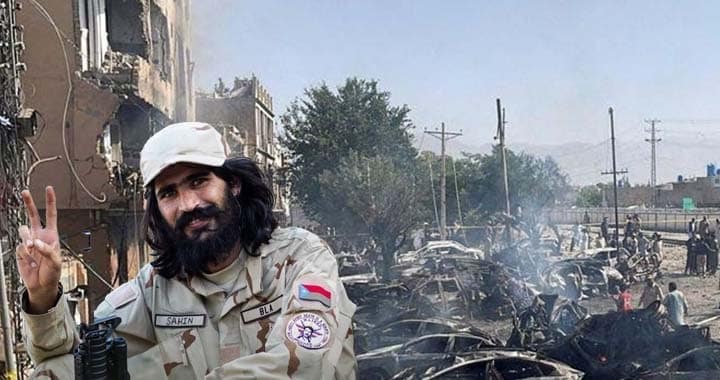
In the wake of the recent suicide attack in Quetta, renewed public debate has emerged regarding the identity, background, and reported status of the individual alleged to be involved in the incident, identified in circulating accounts as Bilal Shahwani. The situation has prompted conflicting narratives from various stakeholders, highlighting the continuing sensitivity surrounding the issue of missing persons and its intersection with national security concerns.
According to statements attributed to official and semi-official sources, the individual in question was previously listed as a “missing person.” It has further been reported that on 22 February, the family of the said individual publicly announced, during a press conference, that they were dissociating themselves from him. This declaration has since become a focal point of wider debate regarding the credibility, circumstances, and implications of such public statements in cases involving alleged missing persons.
However, certain advocacy groups and political movements have described the said press conference as allegedly “coerced,” disputing its voluntary nature and continuing to categorize the individual within the broader framework of enforced disappearances. These competing interpretations have intensified the ongoing national discourse on accountability, due process, and the verification of missing persons’ cases.
Security analysts and some official commentators have pointed to what they describe as a recurring pattern in which individuals previously reported as missing have later been identified in connection with violent incidents targeting security forces or involvement in extremist activities. They argue that such cases underscore the need for strengthened verification mechanisms, improved inter-agency coordination, and more robust legal safeguards to ensure accurate classification of missing persons.
It has further been asserted in public commentary that a substantial proportion of individuals implicated in suicide attacks and militant operations were once listed as missing. These claims, however, remain subject to independent verification and should not be treated as established statistical evidence without comprehensive judicial or investigative review.
On the policy and legal front, reference has been made to procedural reforms aimed at addressing missing persons cases more systematically. These include requirements for families to formally report disappearances to relevant law enforcement agencies and to provide updated declarations regarding the status of missing individuals when necessary. Authorities have indicated that failure to comply with established procedures, particularly where subsequent involvement in criminal activity is established, may result in legal scrutiny as defined under applicable law.
At the same time, human rights organizations and civil society stakeholders continue to emphasize the importance of safeguarding due process and preventing the misuse of missing persons narratives. They argue that allegations of enforced disappearances must be investigated through transparent, independent, and judicially supervised mechanisms to ensure accountability while protecting civil liberties.
The evolving situation reflects a broader and long-standing challenge faced by Pakistan: balancing legitimate national security imperatives with the protection of human rights and constitutional guarantees. Observers note that the convergence of these issues requires careful handling to avoid further polarization and to ensure that public discourse remains grounded in verified facts rather than speculation.
Authorities have reiterated their commitment to ongoing investigations into the Quetta incident and related matters. They have also stressed that all conclusions must be based on credible evidence and lawful inquiry processes.



