Pakistan is confronting a complex security environment in which terrorism has evolved beyond conventional militant attacks. The challenge now extends across international borders, digital platforms and local administrative structures. While the country’s armed forces, police and Frontier Corps continue to make enormous sacrifices in the fight against militancy, the forces threatening national stability are increasingly exploiting multiple channels to sustain their activities.
Three developments deserve particular national attention: allegations of foreign involvement in a proxy war against Pakistan, the growing use of social media by terrorist organisations to promote propaganda and generate financial resources, and the questionable activities of certain elements operating under the banner of Aman Committees in Lakki Marwat and Bannu.
These are not isolated matters. They represent different dimensions of a broader challenge to Pakistan’s sovereignty, institutional authority and internal security. Addressing them requires more than military operations. It demands diplomatic pressure, financial accountability, digital vigilance, institutional discipline and an unwavering commitment to the rule of law.
Pakistan’s Ambassador to Russia, Faisal Niazi, has brought an important issue to international attention by highlighting allegations that certain foreign countries are involved in a proxy war against Pakistan through financial and military assistance to terrorist networks.
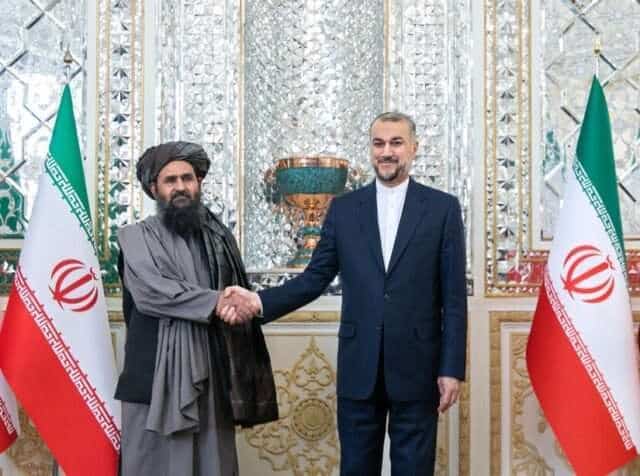
His appeal to Russia, Iran and Central Asian countries to exert pressure on the Afghan Taliban government carries considerable diplomatic significance. The central demand is clear: Afghan territory must not be allowed to serve as a launching ground for activities against Pakistan.
This is a fundamental security concern that cannot be ignored. Pakistan has repeatedly suffered from terrorist violence, particularly in Khyber Pakhtunkhwa and Balochistan. The persistence of militant organisations, their ability to sustain operations and the continuing threat they pose raise serious questions about the networks providing them with resources and support.
The allegations concerning India’s involvement and Israeli intelligence assistance, as highlighted in the discussion, deserve serious international scrutiny and investigation. Any foreign involvement in financing, equipping or facilitating terrorist organisations would constitute a grave threat to Pakistan’s sovereignty and regional stability.
The issue is particularly concerning because Pakistan is confronting two significant militant threats. The Tehreek-e-Taliban Pakistan (TTP) remains a major security challenge in Khyber Pakhtunkhwa, while the Balochistan Liberation Army (BLA) continues to pose a serious threat in Balochistan.
Both organisations have been associated with deadly violence, resulting in the loss of thousands of precious lives, including personnel of the police, Frontier Corps and armed forces, as well as ordinary citizens.
The sacrifices made by Pakistan’s security personnel demonstrate the severity of the challenge. However, the country must recognise that eliminating individual militants is not sufficient if the financial, logistical and intelligence networks supporting them remain operational.
A sustainable counterterrorism strategy must target the entire ecosystem of militancy. If terrorist organisations receive financial resources, weapons, intelligence or other assistance from external sources, Pakistan must pursue these networks through intelligence cooperation, diplomatic engagement and appropriate international mechanisms.
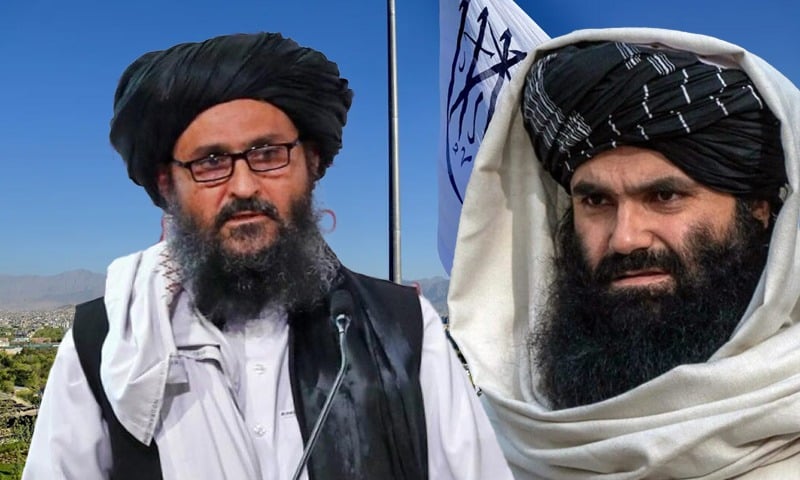
The international community must also understand that terrorism originating from or facilitated through one country can eventually threaten the security of an entire region. The situation in Afghanistan remains central to Pakistan’s security concerns. The Taliban government must recognise that maintaining peaceful relations with neighbouring countries requires practical commitments rather than diplomatic assurances alone.
Pakistan’s demand is straightforward: Afghan territory must not be used by the TTP or any other organisation to organise, facilitate or conduct terrorist activities against Pakistan. This responsibility cannot be separated from the wider interests of regional stability. Afghanistan shares borders and economic connections with several countries, making its internal security situation a matter of concern for the entire region.
The diplomatic appeal to Russia, Iran and Central Asian republics is therefore strategically important. Although these countries have their own political, economic and security challenges, they can contribute constructively by ensuring that their territories and regional routes are not exploited to facilitate militant networks.
Russia, in particular, has significant regional interests and diplomatic engagement in Afghanistan. It must carefully consider the security implications of its activities and relationships in a country where instability has historically affected neighbouring states.
Iran and the Central Asian republics also have a stake in preventing Afghanistan from becoming a centre of regional militancy. The Taliban administration must understand that its international credibility will depend not only on its domestic policies but also on its ability to prevent threats to neighbouring countries.
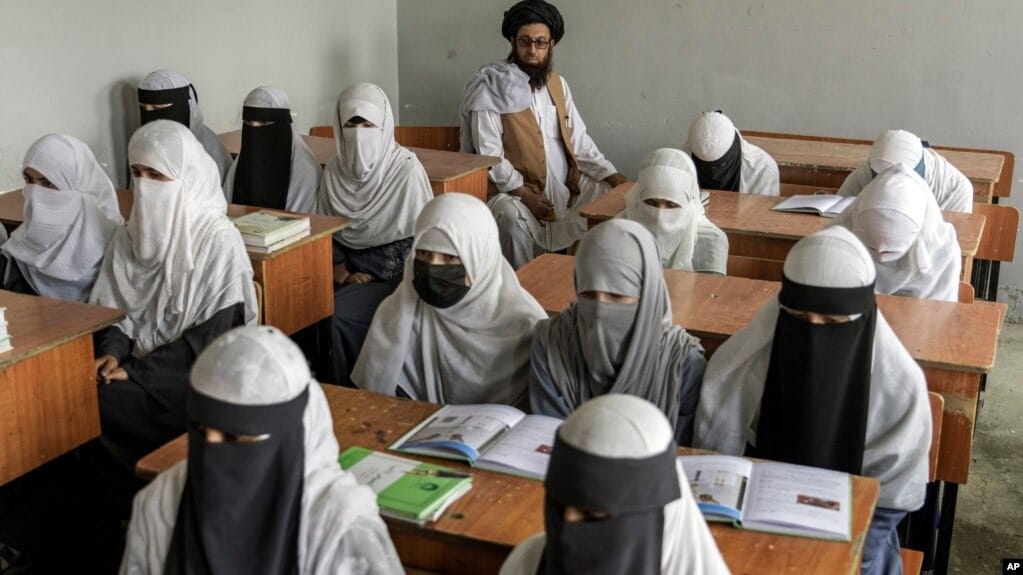
Meanwhile, Afghanistan’s internal difficulties cannot be overlooked. Restrictions on women’s education and employment, deteriorating relations with Pakistan and the disruption of bilateral trade have contributed to an increasingly difficult environment.
The suspension and disruption of trade have consequences for ordinary people on both sides of the border. Essential commodities, including food and wheat, are important to the Afghan population, while cross-border trade is equally significant for economic activity in the region.
A stable relationship between Pakistan and Afghanistan is therefore in the interests of both countries. However, meaningful cooperation cannot develop while Pakistan’s security concerns remain unresolved. The Taliban government must take concrete and verifiable steps to ensure that Afghan soil is not used against Pakistan. Without such commitments, mistrust will continue to undermine bilateral relations.
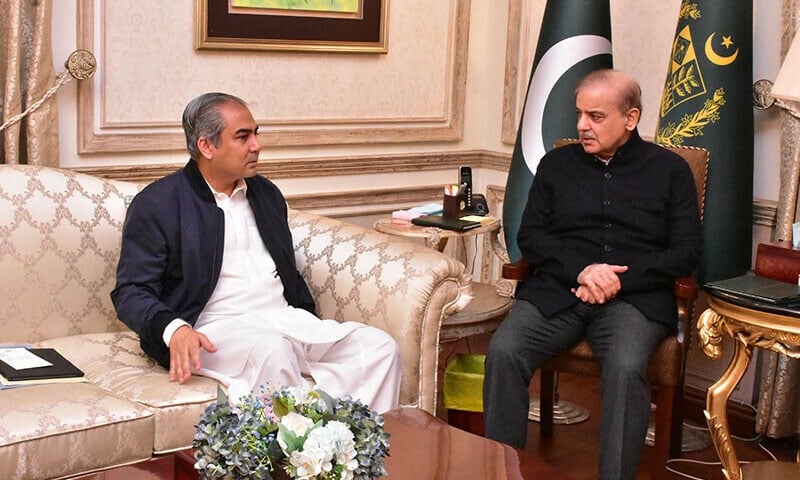
The second major challenge concerns the exploitation of social media by terrorist organisations and individuals promoting narratives that allegedly support their activities. Federal Minister Mohsin Naqvi has warned social media platforms against allowing terrorist organisations to use their services for online fundraising, propaganda and the promotion of extremist narratives. He has also raised questions about the BLA’s media operations and its use of digital platforms.
This warning comes at an important moment because the nature of terrorism has changed significantly. Modern militant organisations do not depend exclusively on physical networks. They increasingly exploit digital communication to spread messages, influence public opinion, attract sympathisers and potentially generate financial resources.
Social media has created an environment in which information can travel across continents within seconds. While this technological development has enormous benefits, it also creates opportunities for malicious actors to exploit online platforms.
One particularly troubling aspect is the commercialisation of propaganda. Online platforms often reward content that attracts attention, engagement and followers. Advertising revenue and other monetisation arrangements can create financial incentives for account operators to produce controversial material.
As highlighted in the discussion, individuals operating from foreign countries allegedly use these opportunities to circulate anti-Pakistan narratives and generate income through online engagement. Their messages may subsequently be reproduced by other accounts, including individuals operating in Pakistan and Afghanistan.
The result is an increasingly complicated digital environment in which misleading information, inflammatory narratives and propaganda can acquire significant visibility.
The danger becomes more serious when online activity directly benefits terrorist organisations or helps legitimise violence. Pakistan must distinguish between legitimate political criticism and organised terrorist propaganda. A democratic society must allow disagreement, scrutiny and criticism of government policies. However, no individual or organisation should be permitted to use freedom of expression as a cover for terrorist recruitment, violent extremism, unlawful fundraising or the glorification of attacks against civilians and security personnel.
Social media companies must therefore accept greater responsibility for the misuse of their platforms. They should establish effective mechanisms to identify and remove terrorist fundraising campaigns, accounts directly associated with militant organisations and content that explicitly promotes or facilitates violence.
The government must also strengthen its ability to investigate suspicious financial transactions, identify coordinated propaganda networks and pursue those involved in unlawful activities.
However, these measures must be based on credible evidence, due process and clear legal standards. Counterterrorism enforcement should target genuine threats without becoming a mechanism for suppressing legitimate political expression. The objective must be to make digital platforms safer, more accountable and resistant to terrorist exploitation. The third issue concerns the activities of Aman Committees in Lakki Marwat and Bannu. The concept of community participation in counterterrorism is valuable, particularly in areas where local cooperation can strengthen law enforcement and improve security.
The basic purpose of these committees was to bring local communities and police closer together. In areas affected by terrorism, police personnel often require public cooperation, local knowledge and community support to perform their duties effectively.
Such arrangements can help strengthen trust, improve information-sharing and create a collective response against militant activities. The reported reduction in terrorism in certain areas demonstrates the potential value of cooperation between security institutions and local communities. However, a system created to support law enforcement cannot be allowed to become an independent centre of authority.
Serious concerns arise when members of a community-based committee begin interfering in police administration, attempting to dictate official decisions or protecting activities that undermine the law. One particularly troubling issue is interference in police postings. Police appointments and transfers fall within the authority of the relevant administrative and command structures. A community committee cannot be permitted to decide which police officer should or should not be posted to a particular position.
Such interference weakens the chain of command and compromises the independence of law enforcement institutions. The authority of DIGs, SSPs and other competent police officers must remain intact. Their administrative decisions cannot be made subject to the preferences or pressure of informal local groups.
The problem becomes even more serious when allegations of involvement in smuggling emerge.
Concerns have been raised about certain checkpoints and attempts by committee members to retain control over particular duties and locations associated with the movement of vehicles. If individuals are using the name of an Aman Committee to protect smuggling, obstruct enforcement operations or secure personal influence over checkpoints, this represents a serious departure from the committee’s original purpose.
A peace committee cannot become a shield for illegal activities. It cannot claim the right to control police deployments, interfere in government operations or prevent action against smuggling. The government must investigate these allegations and establish whether particular individuals are exploiting the arrangement for personal or financial interests.
Those who genuinely contribute to peace and public security should be supported. Those who misuse their positions, obstruct lawful operations or challenge institutional authority must face appropriate consequences. If an Aman Committee becomes a source of disorder rather than stability, the government should not hesitate to restructure or dissolve it through lawful procedures. The principle must remain clear: community participation is welcome, but parallel authority is unacceptable.
Pakistan’s security framework depends on effective coordination between the police, Frontier Corps and armed forces. Each institution has its own responsibilities, administrative structures and operational requirements. The police must be allowed to exercise their lawful authority without pressure from informal groups. The Frontier Corps and armed forces must also be able to perform their respective responsibilities within the constitutional and legal framework.
The reference to Article 245 of the Constitution in the discussion reinforces the importance of understanding the constitutional framework governing the armed forces and their role in aid of civil power. The broader point is that national security cannot function effectively when institutions are weakened by unlawful interference.
The government must ensure that no local organisation, political group or informal committee is allowed to challenge the authority of state institutions. This is particularly important in areas where terrorism and smuggling create overlapping security challenges. Weak administrative control provides opportunities for criminal networks to exploit local influence and undermine enforcement operations.
Aman Committees must remain accountable to the law and operate within clearly defined responsibilities. Their purpose should be to strengthen public cooperation, not to establish independent centres of power. Pakistan’s recent counterterrorism efforts have highlighted the importance of coordinated security operations and stronger institutional discipline. The country possesses capable armed forces, a professional police force and the Frontier Corps. These institutions have demonstrated their commitment through enormous sacrifices.
However, the fight against terrorism requires consistency, coordination and a comprehensive national approach. Military operations must be accompanied by effective intelligence-sharing, the identification of terrorist facilitators, the disruption of financial networks and the elimination of logistical support structures.
Equally important is the need to maintain public confidence. Citizens must feel that the state is capable of protecting them, enforcing the law and holding those responsible for violence accountable.
Pakistan must also continue addressing the presence of individuals who facilitate militant activities. Immigration and security measures should be implemented through established legal procedures, with particular attention to identifying individuals involved in terrorism and other unlawful activities.
A successful strategy must include the following priorities:
- Diplomatic engagement: Continue pressing Afghanistan and regional powers to prevent the use of Afghan territory against Pakistan.
- Foreign network investigations: Identify and pursue credible evidence of external financial, military and intelligence assistance to terrorist organisations.
- Digital counterterrorism: Prevent terrorist organisations from exploiting social media for fundraising, recruitment and propaganda.
- Financial accountability: Investigate suspicious funding channels and take lawful action against those financing militant activities.
- Police independence: Protect the administrative authority and operational independence of police command structures.
- Community accountability: Ensure Aman Committees operate strictly within their lawful mandate.
- Consistent security operations: Strengthen coordination among the armed forces, police and Frontier Corps to dismantle militant networks and their facilitators.
These measures must form part of a sustained national policy rather than temporary responses to individual security incidents. Pakistan is facing a multidimensional security challenge that demands clarity, determination and institutional strength.
The allegations of foreign involvement in proxy warfare, the exploitation of social media for terrorist propaganda and the misuse of Aman Committees all point towards one fundamental reality: terrorism survives not only through those who carry out attacks but also through the networks and weaknesses that enable them. Pakistan must therefore confront terrorism at every level.
Diplomatically, it must continue demanding that Afghanistan prevent its territory from being used against Pakistan and encourage regional countries to contribute to regional security.
Digitally, it must ensure that social media platforms do not become financial and propaganda instruments for terrorist organisations. Administratively, it must protect the authority of the police and other security institutions while ensuring that community-based initiatives remain accountable and transparent.
The sacrifices of Pakistan’s armed forces, police, Frontier Corps and ordinary citizens must never be undermined by weak administration, unlawful interference or a failure to address the networks supporting militancy.
Aman Committees can contribute to peace, but they cannot become instruments of pressure or parallel authority. Social media can promote communication, but it cannot be allowed to finance terrorism. Diplomatic relations can strengthen regional cooperation, but they must never come at the expense of Pakistan’s national security.