
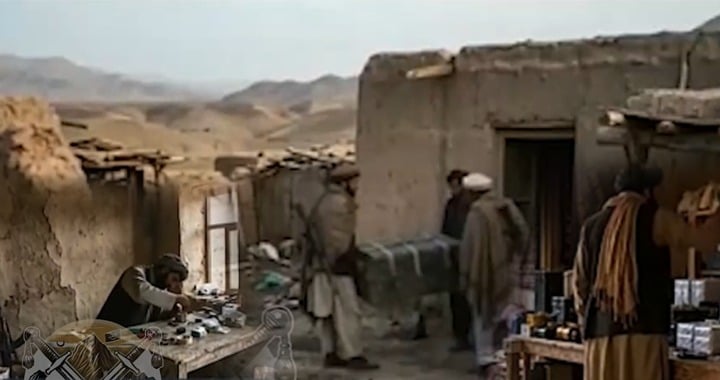
The use of residential homes for explosives production under Taliban rule in Afghanistan is raising serious concerns over civilian safety and the cross-border threat to Pakistan, particularly in Khyber Pakhtunkhwa and Balochistan. The practice brings hazardous chemicals and explosive materials into family living spaces, potentially exposing women, children and other residents to deadly risks.
Unlike dedicated military facilities, homes are not designed to safely handle volatile chemicals or assemble explosive devices. Producing bombs in populated residential areas can endanger families and neighbors, while blurring the distinction between civilian spaces and sites used for military purposes.
Article 58 of Additional Protocol I to the Geneva Conventions requires parties to a conflict, to the maximum extent feasible, to avoid placing military objectives within or near densely populated areas and to take other precautions to protect civilians from the dangers of military operations. Using residential properties for weapons production raises serious concerns about compliance with these civilian-protection principles.
The risks extend beyond Afghanistan’s borders. Explosive devices used in attacks in Pakistan have made the origin of explosive materials, the networks transporting them and the supply chains supporting terrorist operations important security concerns. Such links must be established through evidence in individual cases, including forensic examination and investigations into the movement of explosive materials.
The United Nations has repeatedly highlighted the devastating impact of explosive ordnance on Afghan civilians, particularly children. However, figures concerning unexploded ordnance must be distinguished from casualties caused by improvised explosive devices or other types of explosives, as they represent different categories of harm.
The wider regional security challenge also involves the banned Tehreek-e-Taliban Pakistan (TTP). United Nations monitoring reports have documented the group’s presence in Afghanistan and concerns about its ability to operate from Afghan territory. Pakistan has repeatedly called on the Taliban authorities to prevent Afghan soil from being used for attacks against its security forces and civilians.
The issue also raises questions about the Taliban’s commitments under the February 2020 Doha Agreement. The agreement included assurances that Afghan territory would not be used to threaten the security of the United States and its allies. Regional governments have since called for effective action against terrorist groups operating from Afghanistan and against cross-border threats.
In September 2024, Pakistan, China, Russia and Iran called on Afghanistan’s de facto authorities to take visible and verifiable measures against terrorist groups operating from Afghan territory. The four countries stressed that Afghanistan should not become a base for activities threatening regional states.
For Pakistan, the security priority remains preventing cross-border attacks, disrupting terrorist supply networks and protecting civilians in border regions. Preventing the production and movement of explosives for terrorist purposes is central to that effort, alongside verifiable action against groups using Afghan territory to plan or support attacks.



