
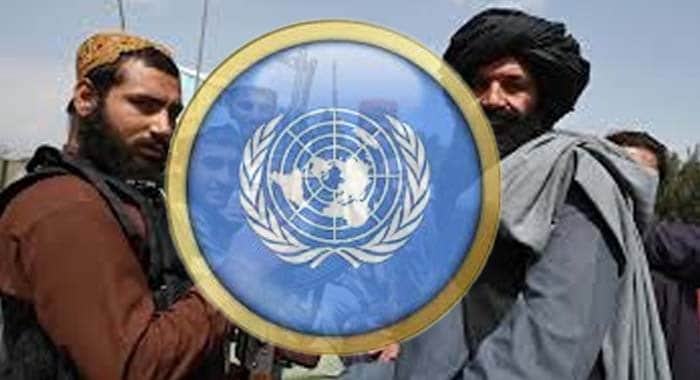
When the Taliban returned to power in August 2021, many observers expected international recognition to become a matter of time rather than possibility. Governments throughout the region quickly opened channels of communication. Diplomatic contacts continued. Trade discussions resumed. Delegations traveled to Kabul.
Yet nearly five years later, a remarkable reality persists: no major country, except Russia, has formally recognized the Taliban as Afghanistan’s legitimate government.
The situation presents one of the most unusual diplomatic paradoxes in modern international politics. The Taliban govern Afghanistan. They control ministries, security institutions, border crossings, and virtually all state functions. Foreign diplomats engage with them regularly. Regional governments negotiate with them on matters ranging from trade to security.
Despite this reality, recognition remains elusive.
To understand why, it is necessary to distinguish between engagement and recognition, two concepts frequently confused but fundamentally different. Governments often engage with authorities they do not formally recognize. Such engagement allows practical issues to be addressed without conferring political legitimacy.
This distinction has defined the international approach toward Afghanistan since the Taliban’s return.
Regional countries have maintained varying degrees of contact with Kabul. Some have expanded economic cooperation. Others have focused primarily on security concerns. Several have pursued both objectives simultaneously.
Yet engagement has not evolved into recognition.
One explanation lies in the conditions repeatedly cited by foreign governments and international institutions. Although priorities differ among states, certain themes consistently reappear: political inclusivity, human rights concerns, restrictions on women and girls, and counterterrorism commitments.
From the Taliban’s perspective, these conditions often appear unreasonable or politically motivated. Taliban officials frequently argue that recognition should reflect realities on the ground rather than external demands. They point to their control of the country and the relative absence of large-scale civil war as evidence that recognition should already have occurred.
Many foreign governments view the matter differently. For them, recognition involves more than effective control. It also reflects judgments regarding governance, international obligations, and long-term stability.
Control Has Not Become Legitimacy
Perhaps the most striking aspect of the situation is that even countries pursuing pragmatic relations with Kabul have largely stopped short of formal recognition.
This caution reflects broader concerns about precedent. Recognition carries symbolic and political weight. Once granted, it becomes significantly more difficult to reverse.
Consequently, many governments have adopted a middle path. They maintain dialogue. They pursue trade. They coordinate on security issues. Yet they withhold the ultimate diplomatic endorsement.
The result is a prolonged stalemate.
For Afghanistan, the consequences extend beyond symbolism. Recognition affects access to international institutions, financial systems, investment opportunities, and diplomatic influence. Although engagement can address some immediate needs, it cannot fully substitute for international legitimacy.
The Taliban therefore face a challenge unlike that confronted by many previous governments. They have secured power domestically but continue to struggle in translating that power into formal international acceptance.
The broader lesson may be that governing a country and gaining recognition for governing it are not necessarily the same thing. Military victory can establish authority within borders. Diplomatic legitimacy, however, often requires satisfying expectations beyond them.
Five years after returning to Kabul, the Taliban remain in control. Yet the continued absence of formal recognition suggests that control alone has not answered the questions many governments still have about Afghanistan’s future.



