For the past several years, the security situation in southern Khyber Pakhtunkhwa has remained one of the most serious challenges for Pakistan. The recent attack on the Manjhi Khel checkpoint in Tank once again reminded us that terrorist networks still possess the capability, planning and resources to target sensitive locations.
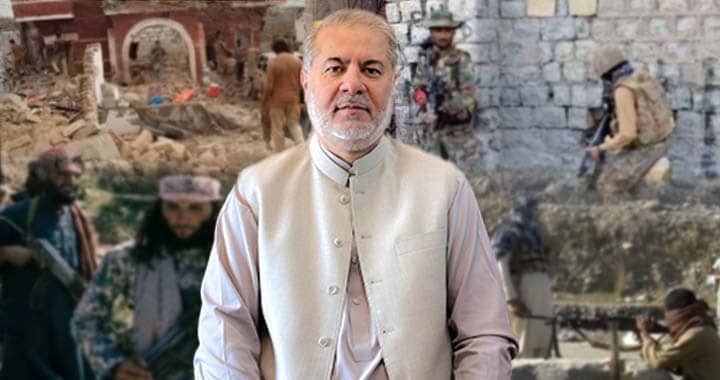
This was not an ordinary roadside check post. It was a joint security installation of police and security forces, located near a populated area. The manner in which the attack was carried out, using an explosives-laden vehicle followed by armed attackers, indicates that it was a carefully planned assault rather than a spontaneous attempt.
Such attacks require prior reconnaissance, knowledge of the target area, movement patterns and the ability to coordinate multiple elements. Terrorist groups usually spend considerable time gathering information before attempting an operation of this scale. The responsibility claimed by Fitna al-Khawarij, along with the material released afterward, also showed that this was intended as a high-profile attack aimed at creating fear and projecting strength.
The pattern of these attacks has remained consistent. Terrorist groups often attempt to strike at a time when visibility is reduced and response becomes more challenging. They rely on suicide attackers, heavy weapons, explosives and armed fighters to cause maximum damage before security forces regain control.
However, the larger question is not only about one attack. The real issue is why southern districts of KP continue to remain under pressure despite years of counterterrorism operations.
The answer lies in understanding the changing nature of the threat. These groups have lost significant territorial control due to sustained operations, but they have not disappeared. They have shifted tactics, changed locations and adapted their methods. When pressure increases in one area, they attempt to find opportunities elsewhere.
Tank, Bannu, Lakki Marwat and parts of North and South Waziristan have remained particularly vulnerable because of their geographical location, proximity to former militant strongholds and the continuing presence of terrorist networks operating across the border.
Bannu Operation and the Challenge of Maintaining the State’s Writ
The ongoing security operation in Bannu reflects the seriousness of the situation. The recovery of bodies of additional terrorists and the elimination count reaching 50 shows that security forces are conducting a major clearance effort against entrenched terrorist elements.
But the situation on the ground also highlights another important dimension. Counterterrorism is not only about eliminating terrorists. It is also about restoring confidence among ordinary citizens and ensuring that the state’s writ remains visible.
Whenever security gaps emerge, terrorist groups attempt to exploit them. They try to create an impression that the state is absent and that they can influence local communities through fear.
This is why the role of local administration, police and civilian institutions is as important as military operations. Security forces can clear an area, but long-term peace requires effective governance, development and public trust.
In some areas of southern KP, people have suffered from years of insecurity. They have witnessed attacks on security personnel, police officers, schools and public infrastructure. Their frustration is understandable because prolonged instability affects daily life, economic activity and opportunities for younger generations.
The state must ensure that people do not feel abandoned after security operations. A vacuum after an operation can create space for terrorist elements to return.
The solution is not only a security response. It requires a comprehensive approach where law enforcement, governance, development and community engagement move together.
Afghan Soil and the Continuing Terror Challenge
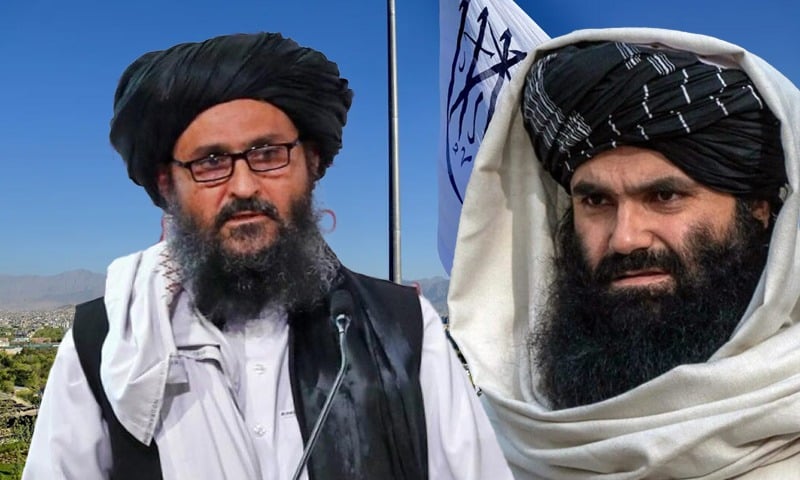
Another major aspect of the current security environment is the situation inside Afghanistan. After the takeover of Kabul by the Afghan Taliban, many expected that the security situation would improve for neighboring countries. However, developments over the past few years indicate that terrorist groups targeting Pakistan have continued to maintain space and infrastructure there.
The presence of groups such as Fitna al-Khawarij and other anti-Pakistan elements inside Afghanistan remains a major concern. Reports about their relocation from one area to another suggest that these networks are attempting to adapt to changing circumstances.
Historically, after major counterterrorism operations in Pakistan, many terrorist elements moved across the border into Afghanistan. When the Afghan Taliban returned to power, expectations increased that these groups would be prevented from operating against Pakistan.
However, the continued occurrence of attacks has created serious questions regarding the commitments made by Kabul and the practical measures being taken against anti-Pakistan terrorist groups.
The issue is not simply about Pakistan and Afghanistan’s bilateral relations. It is directly linked to regional security. Any space provided to terrorist organizations eventually affects neighboring countries and international stability.
For Pakistan, this challenge has already come with a significant cost. Years of counterterrorism efforts have affected economic growth, investment and development, particularly in areas that have repeatedly faced insecurity.
While Pakistan remains concerned about cross-border terrorism, Afghanistan itself is also witnessing developments that deserve attention.
The emergence of armed opposition groups challenging the Afghan Taliban’s authority represents a significant shift in Afghanistan’s internal landscape. For years, the Taliban presented themselves as the only organized armed force capable of controlling the country. However, reports of armed resistance, particularly in northern provinces such as Badakhshan, indicate that maintaining complete control over a country with Afghanistan’s history and complexities is not an easy task.
Badakhshan has historically remained a sensitive region. Its geography, ethnic composition and proximity to neighboring countries have always given it strategic importance. Any instability there has consequences beyond the immediate area.
The Afghan Taliban now face a different challenge from the one they faced before coming to power. During their previous insurgency, they were fighting against a government backed by foreign forces. Today, they are themselves responsible for governance, security and economic management of the entire country.
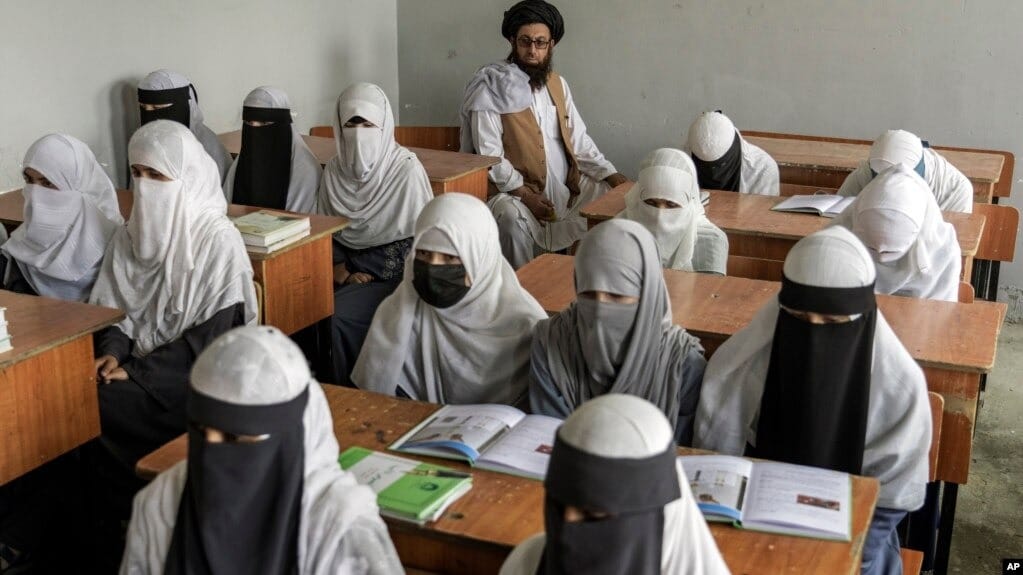
This transition from an insurgent movement to a governing authority has created new pressures. Economic difficulties, restrictions on education, particularly for women and girls, concerns among various communities, and dissatisfaction among sections of society have contributed to internal criticism.
The rise of armed opposition groups does not automatically mean that the Afghan Taliban’s control is under immediate threat. The Taliban remain a powerful and organized force with significant military experience. However, the emergence of armed resistance itself is an important development because it challenges the perception that there is no organized opposition within Afghanistan.
For Pakistan, instability inside Afghanistan is a matter of direct concern. A peaceful and stable Afghanistan serves Pakistan’s interests, but instability, particularly when combined with the presence of terrorist organizations, creates additional security challenges.
The Need for a Balanced Security and Governance Approach
The situation in southern KP also reminds us that military and security responses, although essential against terrorist organizations, cannot be the only component of a long-term strategy.
The merged districts and other conflict-affected areas have suffered for decades due to militancy, displacement and lack of development. The people living there have repeatedly paid the highest price whenever terrorist organizations expand their activities.
Therefore, restoring peace requires more than eliminating terrorist commanders or dismantling hideouts. It requires strengthening institutions, improving policing, creating economic opportunities and ensuring that local communities become active partners in maintaining security.
When ordinary citizens trust state institutions, terrorist groups find it much harder to establish influence. But when people feel ignored or disconnected from governance structures, extremist groups attempt to exploit those grievances.
This is why the state must maintain a consistent presence after successful security operations. Roads, schools, healthcare facilities, employment opportunities and effective local administration are all part of the broader security equation.
A secure environment attracts investment. An insecure environment pushes investors away and forces local economies into stagnation. Every terrorist attack therefore causes damage beyond immediate casualties, it affects livelihoods, education and future prospects.
Pakistan’s Challenge Requires Unity and Long-Term Planning
The security situation today demands seriousness from all stakeholders. Political disagreements, administrative weaknesses and institutional gaps can create opportunities that terrorist organizations attempt to exploit.
The fight against terrorism cannot be treated as the responsibility of only security forces. Police, civil administration, political leadership, local communities and media all have roles to play.
At the same time, counterterrorism efforts must remain focused on the actual threat. Terrorist organizations have no interest in political stability, development or public welfare. Their objective is to create fear, weaken institutions and damage public confidence in the state.
The people of southern KP have repeatedly demonstrated resilience despite enormous challenges. They have supported security institutions during difficult times and rejected extremist violence. Their sacrifices must be recognized through practical steps that improve their lives.
The future security environment will depend on how effectively Pakistan addresses two interconnected challenges: terrorist networks operating across borders and governance weaknesses inside conflict-affected regions.
Afghanistan’s internal developments, including growing opposition to the Taliban, show that the region is entering another uncertain phase. Pakistan cannot ignore these changes, but it must also continue focusing on strengthening its own internal security framework.
The lesson from recent attacks in Tank, ongoing operations in Bannu and the broader situation in southern KP is clear: terrorism may change its methods, locations and tactics, but the response must remain consistent, coordinated and comprehensive.
Security operations are necessary to eliminate immediate threats. But lasting peace will only come when security is combined with effective governance, economic opportunity and public trust.
For a region that has endured decades of conflict, the goal should not merely be surviving another crisis. The goal should be building conditions where terrorist organizations cannot return and where communities can finally move towards stability and prosperity.