
The continuing possibility of militant infiltration and the presence of international terrorist organizations operating from or through Afghanistan remain among the principal security concerns driving annual military exercises across Central Asia, according to regional security assessments.
Andrei Grozin, Head of the Central Asia Department at Moscow-based CIS Institute, said the security environment facing Central Asian states has not improved significantly and that countries in the region continue to strengthen their military preparedness in response to potential threats originating from Afghanistan.
Speaking to Russia’s Izvestia, Grozin discussed the ongoing joint military exercises between Russia and Kyrgyzstan, emphasizing that military drills conducted across Central Asia whether under the Collective Security Treaty Organization (CSTO), the Shanghai Cooperation Organization (SCO) or through bilateral arrangements—are largely designed to improve preparedness against potential threats emanating from Afghanistan.
According to Grozin, the possibility of militant groups attempting to cross into Central Asian territory remains a serious concern for regional governments. Despite changes in the regional security landscape, Central Asian states continue to view Afghanistan’s northern border areas as a potential source of instability. The proximity of Afghanistan to Tajikistan, Uzbekistan and Turkmenistan has encouraged governments in the region to maintain heightened security preparedness.
Experts have also expressed concern over developments along Afghanistan’s northern frontier, particularly in Badakhshan province near Tajikistan, where instability could have implications beyond Afghanistan’s borders.
Grozin also referred to the 1999 and 2000 Batken events, which remain an important reference point in Central Asian security planning. During those incidents, fighters associated with the Islamic Movement of Uzbekistan (IMU) and militant groups based in Afghanistan attempted to enter Uzbekistan through Kyrgyz territory.
Although the number of attackers was relatively limited, they reportedly inflicted significant losses on local security forces. The situation eventually prompted Bishkek to seek military assistance from Moscow, Tashkent and Astana. The experience continues to influence regional security calculations, with Central Asian governments remaining cautious about the possibility of similar cross-border infiltration attempts.
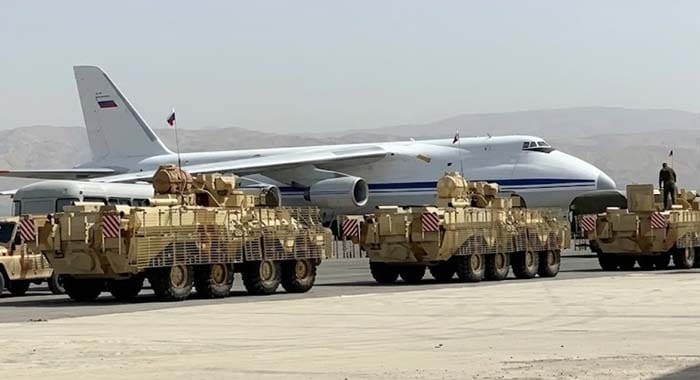
Against this backdrop, joint military exercises involving Russia and Kyrgyzstan began on August 11 in challenging mountainous terrain and are scheduled to continue through August 17. The drills are focused on scenarios designed to test the ability of both countries’ armed forces to respond rapidly to potential security threats in difficult geographical environments. During the exercises, Russian and Kyrgyz forces are reportedly conducting simulated operations involving the sealing of borders, offensive actions, neutralisation of simulated illegal armed groups and prevention of infiltration by extremist formations.
The exercises also include the use of drones as part of simulated operations against potential infiltrating groups. The incorporation of unmanned aerial systems reflects the changing nature of modern military operations, particularly in mountainous border regions where difficult terrain can complicate surveillance, reconnaissance and rapid deployment. The drills provide an opportunity for both militaries to test their ability to coordinate ground and aerial capabilities in a simulated high-risk security environment.
According to the exercise command, one of the principal objectives of the drills is to improve operational coordination and interoperability between Russian and Kyrgyz armed forces. The exercises are also intended to strengthen bilateral defence cooperation and reinforce the longstanding relationship between Moscow and Bishkek. Joint military training allows the two countries to assess communication procedures, coordination mechanisms and operational responses under simulated crisis conditions.
The continuing emphasis on Afghanistan-related scenarios demonstrates the enduring influence of developments inside Afghanistan on the security policies of neighbouring states. For Central Asian governments, the concern extends beyond conventional military threats. Potential cross-border infiltration, extremist networks, illicit armed formations and instability along Afghanistan’s northern frontier remain important components of regional security planning.The annual exercises therefore serve both operational and strategic purposes: improving military readiness while signalling that Central Asian states remain prepared to respond collectively or bilaterally to emerging security challenges.
The assessments cited by regional experts suggest that, despite changes in Afghanistan’s political and security environment, Central Asian states have little reason to assume that the threat of cross-border instability has disappeared. The memory of the Batken events, combined with continuing concerns over militant organisations and Afghanistan’s proximity to Central Asia, continues to shape regional defence planning.
The Russia-Kyrgyzstan exercises are consequently taking place against a backdrop of heightened vigilance, with both countries seeking to ensure that their forces can respond quickly and effectively should an armed group attempt to exploit mountainous terrain or vulnerable border areas.
The ongoing exercises underscore a broader regional reality: Afghanistan’s security environment continues to influence military preparedness across Central Asia, prompting neighbouring states to strengthen border security, improve interoperability and maintain readiness against potential cross-border threats.



