Opinion

At the Edge of Escalation: Security Crisis, Political Fracture and the Afghan Question

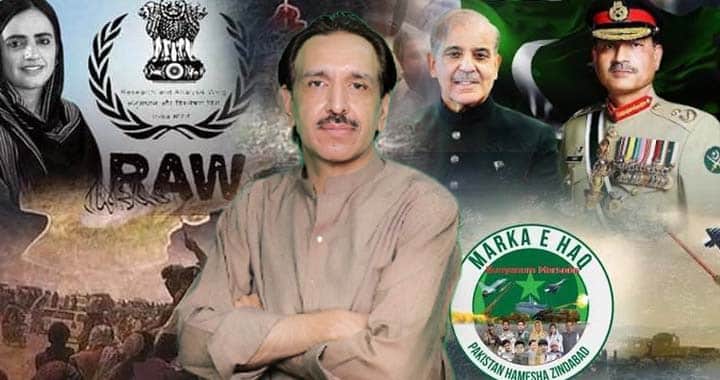
(Aqeel Yousafzai) Pakistan stands at a perilous crossroads. A sharp escalation in militant violence across Khyber Pakhtunkhwa, Balochistan and even the federal capital has reignited debate over whether Islamabad should move beyond defensive containment and consider retaliatory measures against militant sanctuaries allegedly operating from Afghan soil. The debate intensified after Interior Minister Mohsin Naqvi, while […]

At the Edge of Escalation: Security Crisis, Political Fracture and the Afghan Question Read More »

Militant Fault Lines and a Regional Crossroads: Power Struggles, Proxy Shadows and Pakistan’s Defining Moment

(Zahir Shah Sherazi) Militant fragmentation in the Afghanistan-Pakistan region is neither new nor accidental. It is the inevitable outcome of a violent ecosystem built on competing egos, contested authority, foreign patronage, and the economics of insurgency. The recent resurfacing of tensions between Tehreek-e-Taliban Pakistan (TTP) and Jamaat-ul-Ahrar is therefore not an anomaly; it is a

Militant Fault Lines and a Regional Crossroads: Power Struggles, Proxy Shadows and Pakistan’s Defining Moment Read More »

TTP at War with Itself? Mufti Barjan’s Audio and the Bajaur Attack Expose a Dangerous Turning Point

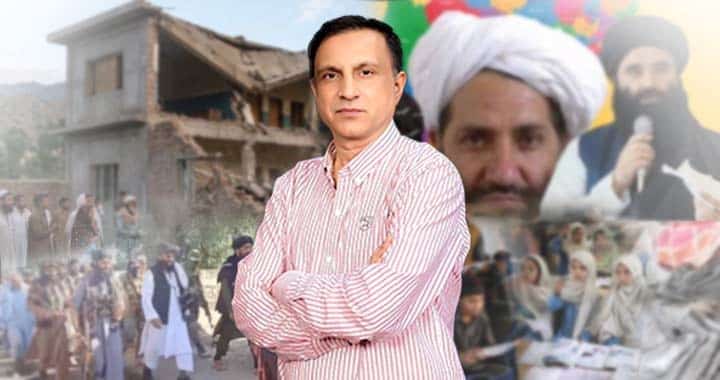
(Fida Adeel)  The recent audio attributed to Mufti Barjan has once again pulled back the curtain on an issue that security analysts and journalists have long observed but rarely seen acknowledged so openly: deep and widening fissures within the Tehreek-e-Taliban Pakistan (TTP) and its affiliated militant networks. At the same time, the tragic attack in

TTP at War with Itself? Mufti Barjan’s Audio and the Bajaur Attack Expose a Dangerous Turning Point Read More »

From Kabul to Tehran: How Afghanistan’s Alignment with Iran Redraws Regional Fault Lines

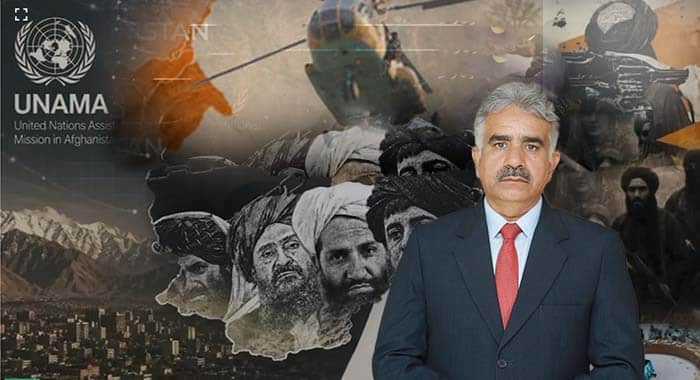
(Mushtaq Yusufzai)    In the evolving geopolitical chessboard of Asia, the shifting alignment between Afghanistan and Iran represents more than just diplomatic rapprochement; it signals a transformation in regional power structures that could redefine fault lines stretching from the Middle East to South and Central Asia. This alignment shaped by historical grievances, shared interests, and

From Kabul to Tehran: How Afghanistan’s Alignment with Iran Redraws Regional Fault Lines Read More »

Hostage Province: How Political Roadblocks Are Strangling Khyber Pakhtunkhwa’s People

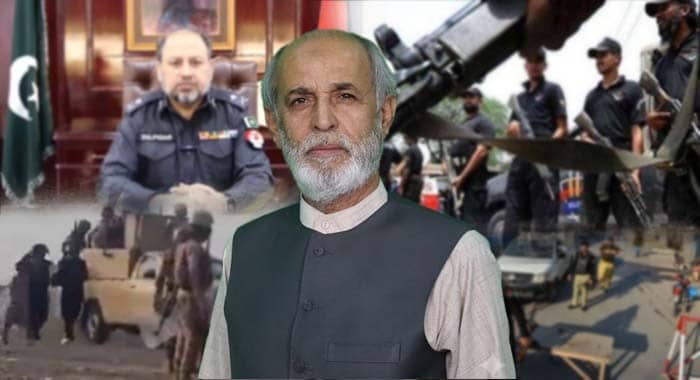
(Shamim Shahid) Khyber Pakhtunkhwa today stands at a dangerous crossroads where political agitation has morphed into public suffering. For the past several days, the province has remained virtually cut off from the rest of the country as protests by the Pakistan Tehreek-e-Insaf (PTI) have led to the closure of key highways, motorways and arterial routes.

Hostage Province: How Political Roadblocks Are Strangling Khyber Pakhtunkhwa’s People Read More »

Counterterror, KP’s Protest Politics, Khyber Pakhtunkhwa

Counterterror Focus Missing? KP’s Protest Politics Draws Criticism

The irony of the irony, and a question. related to terror and counterterror, being raised across different quarters, is that the government of Khyber Pakhtunkhwa is once again on the roads. They appear disengaged from governance. Merely calling meetings, whether Apex Committee meetings or administrative huddles, and then returning to agitation or protest politics does

Counterterror Focus Missing? KP’s Protest Politics Draws Criticism Read More »

Zero Tolerance or Zero Governance? Kohat’s Foiled Attack, Peshawar’s Open Manholes and the Regional Stakes in Bangladesh

(Arif Yousafzai)  Pakistan today stands at a defining crossroads where governance failures, corruption, and counterterrorism challenges intersect in dangerous ways. The recent foiling of a major terrorist plot in Kohat is a reminder that while our security forces continue to shoulder extraordinary burdens, the broader governance structure remains fragile and inconsistent. At the same time,

Zero Tolerance or Zero Governance? Kohat’s Foiled Attack, Peshawar’s Open Manholes and the Regional Stakes in Bangladesh Read More »

Sanctuaries

Sanctuaries, Selective Action and Sovereignty: Why Pakistan Can No Longer Ignore the Afghan Factor

The recent statement issued by Pakistan’s Foreign Office, linking the conspiracy behind the Islamabad attack to elements operating from Afghan soil, has once again highlighted a painful and persistent reality: Afghan territory continues to be exploited against Pakistan. For years, Islamabad has submitted dossiers, shared intelligence, and raised concerns at bilateral and multilateral forums. Yet

Sanctuaries, Selective Action and Sovereignty: Why Pakistan Can No Longer Ignore the Afghan Factor Read More »

Kabul’s, Terrorist Sanctuary, Afghan Safe Havens, Afghan Soil & Cross-Border Attacks, Pakistan's War on Terror and Afghan Taliban's Double Game

Kabul’s Terrorist Sanctuary Is No Revelation; It Is a Reality the World Ignored

Strained relations between Pakistan and the Kabul’s interim Taliban administration are no longer episodic disruptions, they have settled into a pattern of structured tension. What we are witnessing today is not a temporary diplomatic chill but a conditional relationship, one in which both sides remain locked into positions they consider non-negotiable. Pakistan’s foremost demand is

Kabul’s Terrorist Sanctuary Is No Revelation; It Is a Reality the World Ignored Read More »

Counterterror, Counterterror Framework, Civil-Military Leadership, Corps Commander Peshawar and CM KP Sohail Afridi, Pakistan's War on Terror and PTI's Double Game

Civil-Military Synchronization Anchors KP’s New Counterterror Framework

The high-level meeting held in Peshawar, keeping counterterror framework in view, marks one of the most consequential administrative and security consultations in recent weeks. What makes it particularly significant is not merely the range of decisions announced, but the institutional weight present in the room. The provincial leadership, led by Chief Minister Khyber Pakhtunkhwa Sohail

Civil-Military Synchronization Anchors KP’s New Counterterror Framework Read More »

Scroll to Top