
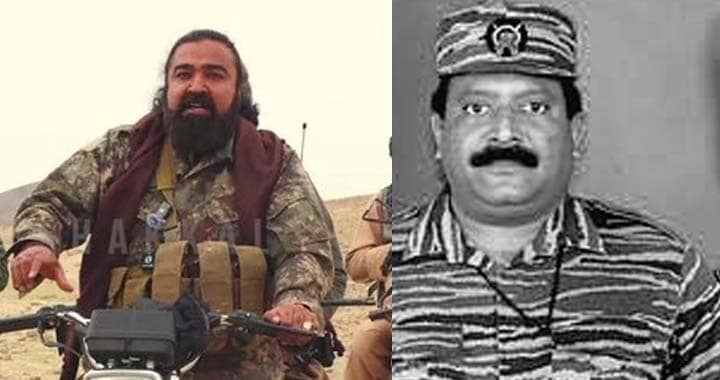
A recent statement circulating in regional discourse has drawn attention to the nature of militant violence in South Asia, presenting a strongly worded comparison between the Balochistan Liberation Army (BLA) and the Liberation Tigers of Tamil Eelam (LTTE). The statement characterizes both groups as ethnonationalist insurgent organizations that have historically employed violent tactics such as attacks on civilians, infrastructure sabotage, and suicide operations, while simultaneously claiming to represent the political aspirations of marginalized populations. These assertions reflect deeply contested narratives within the broader discourse on insurgency and state security in South Asia.
The statement further repeats longstanding allegations that external actors have, at various points in history, been accused of supporting or facilitating militant or proxy networks in the region. In particular, it references repeated claims directed at India regarding alleged involvement in supporting insurgent elements in Balochistan, as well as historical allegations relating to the period of the LTTE insurgency in Sri Lanka during the 1980s. These claims remain politically sensitive, are widely disputed among governments and analysts, and have not been independently verified in the context of this release. Official positions from the states concerned have consistently rejected such accusations in diplomatic and public forums.
The statement also invokes the historical conclusion of the Sri Lankan civil conflict, noting the military defeat of the Liberation Tigers of Tamil Eelam in 2009, including the death of its leadership and the dismantling of its organizational structure. That event is frequently cited in security literature as a decisive counterinsurgency outcome, although it continues to be the subject of extensive debate regarding humanitarian consequences, reconciliation processes, and post-conflict governance challenges.
In the present context, the statement highlights ongoing security challenges in Balochistan, where militant violence and attacks on infrastructure have periodically disrupted stability and development efforts. The Pakistani state has consistently maintained that such militant activity poses a direct threat to national security and economic progress, particularly in relation to strategic development initiatives. At the same time, a range of political commentators and human rights observers have argued that durable peace in the region requires addressing underlying political and socioeconomic grievances alongside security measures.
The statement presents the view that militant organizations ultimately face defeat when confronted with sustained and forceful state counterterrorism responses. However, many international security experts emphasize that long-term stabilization in insurgency-affected regions generally depends not only on military pressure, but also on political engagement, economic inclusion, institutional strengthening, and post-conflict reconciliation. The experience of Sri Lanka following the defeat of the LTTE is often referenced in this context, though analysts caution against direct comparisons due to the distinct historical, ethnic, and geopolitical conditions of each conflict.
The broader narrative also situates these developments within the complex and often tense relationship between India and Pakistan, noting that allegations of proxy conflict and competing strategic interests continue to shape perceptions of regional security. Analysts warn that such narratives, if left unaddressed, risk reinforcing cycles of mistrust and complicating already fragile diplomatic and security dynamics.
Ultimately, the statement reiterates the importance of peace and stability in Balochistan and the wider region, emphasizing that civilian populations remain the primary victims of prolonged violence and instability. It underscores, in broader policy terms, that sustainable peace in South Asia will depend on rejecting cycles of armed confrontation and instead prioritizing inclusive political processes, institutional resilience, and long-term socioeconomic development.



