
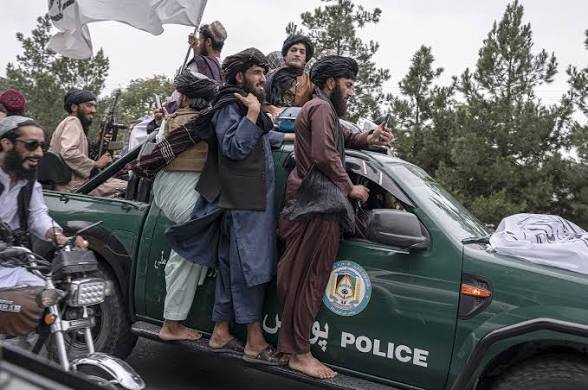
Serious alarm is spreading across the region following reports that authorities in Afghanistan have released 1,191 terrorists linked to the Islamic State Khorasan Province (ISKP) and the Eastern Turkistan Islamic Movement (ETIM) under directives reportedly issued by the Supreme Court.
According to emerging information, the released terrorists allegedly pledged loyalty to Taliban Supreme Leader Hibatullah Akhundzada and vowed to participate in his broader agenda, a development that security observers warn could significantly undermine regional peace, stability, and counterterrorism efforts.
Security analysts and regional observers describe the mass release as deeply concerning, warning that it reflects a dangerous and recurring pattern rather than an isolated judicial decision. Experts fear the move could provide extremist organizations with renewed manpower, operational depth, and ideological momentum at a time when the region continues to face persistent terrorism-related threats.
ISKP has been internationally recognized as one of the most violent terrorist organizations operating in the region, responsible for large-scale attacks against civilians, religious minorities, diplomatic missions, and security institutions. ETIM, likewise, has long been associated with transnational terrorism, extremist recruitment, and cross-border militant activities that threaten both regional and international security architectures.
Counterterrorism experts warn that the release of such a substantial number of terrorists carries serious implications for neighboring states and could contribute to the reactivation of dormant extremist networks across South and Central Asia.
Analysts further caution that the reported pledges made by the released individuals raise profound concerns regarding the strategic intent behind their release and the broader direction of Afghanistan’s security landscape.
“This development has the potential to embolden terrorist ecosystems already operating within the region,” noted several regional security observers. “The reintegration of hardened extremists without credible accountability, monitoring, or deradicalization mechanisms creates conditions that could fuel instability far beyond Afghanistan’s borders.”
The latest development has intensified fears that Afghanistan could increasingly become a permissive environment for internationally designated terrorist organizations seeking sanctuary, recruitment opportunities, and operational expansion. Security experts warn that such conditions risk reversing years of regional and international counterterrorism gains achieved through coordinated security cooperation and intelligence-sharing frameworks.
Observers also point out that this is not the first instance in which individuals associated with extremist and terrorist networks have reportedly been released. Previous releases have repeatedly raised concerns about the regrouping and resurgence of terrorist elements capable of orchestrating violence across the wider region.
Regional governments and international counterterrorism stakeholders are expected to closely examine the implications of the reported releases. Calls are growing for greater transparency surrounding the judicial process, enhanced international monitoring, and stronger collective measures aimed at preventing terrorist organizations from rebuilding operational capabilities.
Security experts emphasize that lasting regional peace cannot coexist with policies or actions that risk empowering extremist and terrorist actors. They stress that the release of individuals affiliated with globally recognized terrorist organizations represents a matter of urgent international concern requiring serious diplomatic and security attention.
The situation remains under close observation as regional and international stakeholders assess the potential consequences of the reported release of ISKP and ETIM terrorists and its possible impact on future regional stability.



