
Pakistan continues to face multiple challenges, with national security remaining one of the country’s most critical concerns. Amid ongoing security threats, economic pressures, and regional instability, a renewed emphasis has emerged on national unity, collective resilience, and coordinated efforts to safeguard peace and stability.
According to observers and security analysts, the country’s struggle against terrorism requires not only operational measures but also strong national cohesion. A recent demonstration of unity by leading religious scholars, who gathered and offered prayers together under a single leadership, has been described as a significant symbol of solidarity and collective responsibility.
The display of unity among religious leadership and the wider public has been highlighted as an important message that national harmony remains a key pillar of Pakistan’s stability and security. Supporters of the initiative stated that such unity strengthens public confidence and sends a clear message against forces seeking to create division and instability.
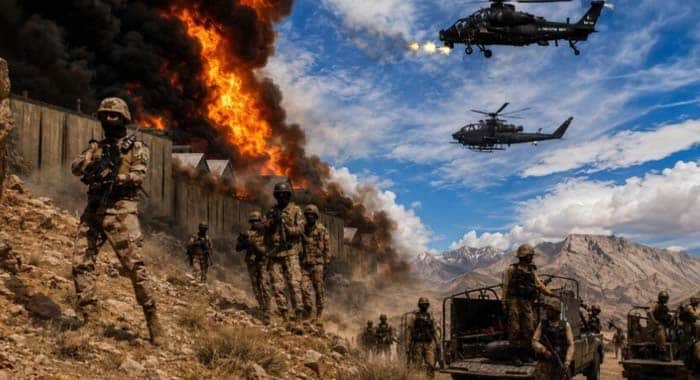
Balochistan remains one of the major regions facing security challenges, with authorities continuing efforts to counter terrorism and restore lasting peace. In response to these threats, security operations, including Operation Shaban, have been launched to target terrorist networks and improve security conditions across affected areas.
According to security sources and officials, Operation Shaban is continuing with determination and intensity, with several terrorist elements reportedly neutralized during ongoing actions.
The operation has been described as a significant shift in counterterrorism efforts, with security forces focusing on preventing terrorist groups from establishing safe havens, disrupting their movement, and dismantling their operational infrastructure.
Security analysts noted that previous terrorist tactics often involved retreating into mountainous and difficult terrain after carrying out attacks. However, continued intelligence-based operations and improved security capabilities have made it increasingly difficult for terrorist elements to use remote areas as permanent shelters.
Officials and security experts have emphasized that no location should remain beyond the reach of law enforcement agencies and that sustained operations are necessary to prevent terrorist groups from reorganizing.
The importance of public cooperation has also been highlighted as a key factor in counterterrorism efforts. Security officials have repeatedly emphasized that local communities play a vital role in identifying suspicious activities and supporting efforts to maintain peace.
Analysts believe that communities affected by violence and instability have a strong interest in restoring normalcy, protecting lives, and ensuring opportunities for economic development. The people of Balochistan, according to the report, have expressed a desire for an end to terrorism so that the province can move forward on the path of development, investment, and prosperity.
The report emphasizes that economic development and security are closely linked, particularly in Balochistan, where major infrastructure and development projects are considered important for the province’s future.
The China-Pakistan Economic Corridor (CPEC) and the development of Gwadar Port have been described as projects with the potential to transform the economic landscape of Balochistan by creating employment opportunities, improving connectivity, and encouraging investment.
Supporters of these projects argue that stability and peace are essential for ensuring that development initiatives reach their full potential and benefit local communities.
The report further states that efforts to disrupt development projects are viewed by authorities and analysts as attempts to undermine economic progress and prevent the region from achieving greater prosperity.
The report discusses concerns regarding cross-border security challenges and the impact of regional instability on Pakistan’s internal security environment. It highlights the government’s position that Pakistan continues to face security threats requiring a coordinated national response.
Officials have stressed that counterterrorism efforts must continue without interruption and that security institutions should be provided the necessary support to complete their objectives.
The report also highlights the importance of addressing terrorism through a combination of security measures, economic development, public engagement, and institutional reforms.
Pakistan’s security institutions and government officials have reiterated their commitment to combating terrorism, protecting citizens, and ensuring stability across the country.
According to the report, sustained operations such as Operation Shaban, combined with national unity and development initiatives, represent a comprehensive approach toward addressing security challenges.
The message emphasized by officials and supporters of the counterterrorism campaign is that lasting peace requires collective efforts from the government, security institutions, religious leadership, civil society, and local communities.
As security operations continue, authorities have called for continued public cooperation and unity to ensure that terrorist organizations are unable to threaten Pakistan’s peace, development, and national security.



