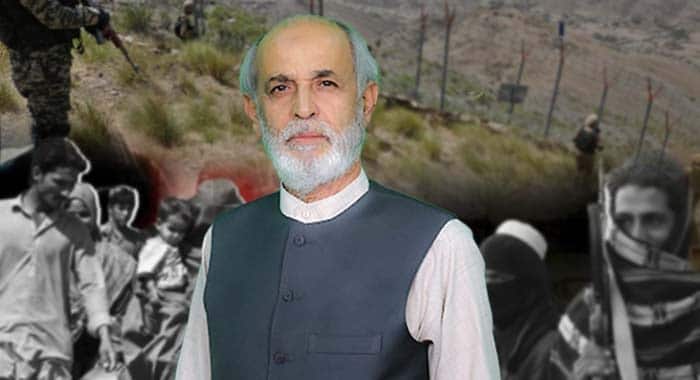
Seven reported attacks across six provinces, mounting economic hardship and a worsening humanitarian emergency are raising serious questions about the Taliban’s ability to govern Afghanistan. Meanwhile, political silence in Pakistan’s Khyber Pakhtunkhwa province offers a timely reminder that the absence of protests does not necessarily mean public satisfaction.
Afghanistan is facing a critical test of political authority, internal security and economic survival. Since returning to power in August 2021, the Taliban have promised stability and an end to decades of conflict. Yet rising reports of attacks, growing resistance, widespread food insecurity and the continued exclusion of experienced professionals are exposing the difficulties of governing a country burdened by years of war and institutional weakness.
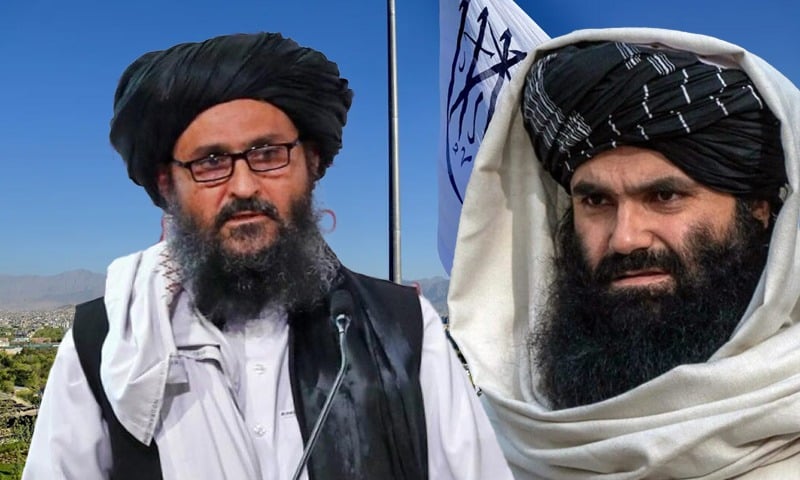
Seven major attacks have reportedly taken place across six Afghan provinces, including Farah, Nimroz, Helmand, Herat, Logar and areas in northern Afghanistan. Taliban headquarters and commanders have also reportedly been targeted. These developments raise an important question: can the Taliban maintain their grip on the country while confronting security threats, economic pressures and growing public discontent?
The answer depends not only on their military strength but also on their ability to address the political, economic and humanitarian grievances that continue to trouble Afghan society. The reported attacks across Afghanistan’s southwestern and northern regions suggest that the security situation remains fragile. Logar, located relatively close to Pakistan, has also experienced incidents, while areas such as Badakhshan and Pul-i-Khumri in Baghlan province have featured in reports of growing resistance.
The geographical spread of these incidents matters. Security challenges confined to one locality can sometimes be contained through targeted measures. When attacks occur across different regions, however, they can stretch security resources, undermine confidence and raise questions about the effectiveness of intelligence and administrative coordination.
There are also concerns about the transparency surrounding casualties and the consequences of attacks. A government that withholds information or delays verification risks creating an information vacuum in which rumours and competing narratives flourish. Credible reporting, transparent investigations and clear communication are essential to maintaining public confidence.
The Taliban must therefore demonstrate that they can protect not only government installations and senior officials but also ordinary citizens whose daily lives depend on security.
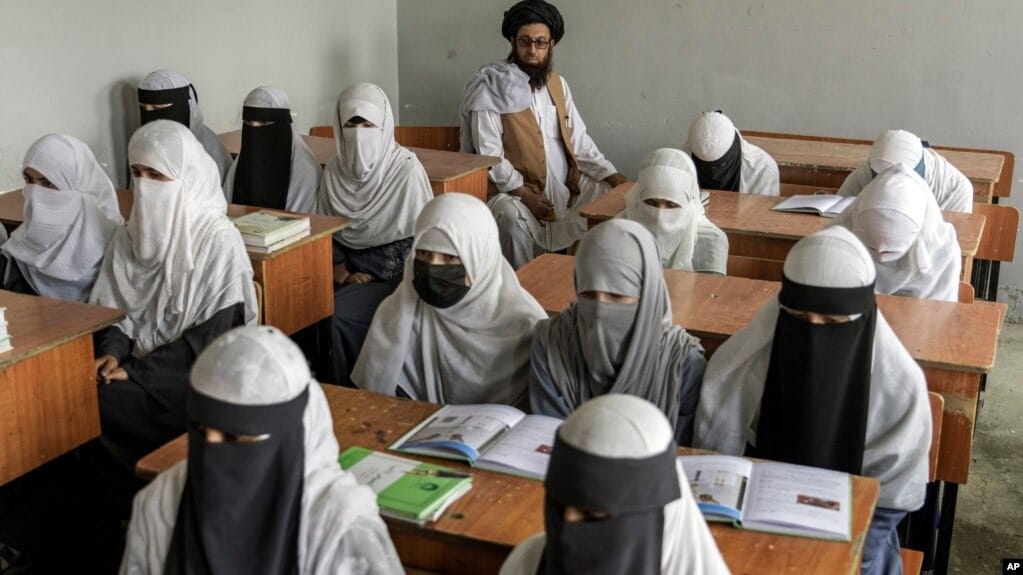
Afghanistan’s security concerns are unfolding alongside a severe humanitarian emergency. The World Food Programme has warned that approximately 17 million people face acute food insecurity, according to the figures discussed in the supplied material. With winter approaching, the risks for vulnerable families become even more serious. For millions of Afghans, the immediate concern is not political ideology or the survival of a government. It is finding enough food, securing warm shelter and protecting children from hunger and cold.
Food insecurity is particularly dangerous when families have already exhausted their savings, employment opportunities are scarce and public services are unable to meet basic needs. Rising prices, limited incomes and disruptions to humanitarian assistance can push households into increasingly desperate circumstances. The Taliban cannot separate national security from economic survival. Hunger, unemployment and deprivation can deepen frustration, weaken social cohesion and make communities more vulnerable to instability.
International humanitarian assistance remains essential, but it must reach those who need it most. Donors, humanitarian organisations and regional governments should work to ensure that political disagreements do not prevent life-saving assistance from reaching Afghan families. The Taliban, for their part, must facilitate humanitarian operations and adopt policies that support economic recovery and ordinary people’s livelihoods.
Another serious concern is the reported dismissal of around 30 professional instructors associated with a police academy. If experienced personnel are removed because of political or ideological differences rather than professional performance, the consequences can extend far beyond individual job losses. Modern security institutions depend on training, technical expertise, discipline and institutional continuity. Replacing qualified professionals with individuals selected primarily for political loyalty can weaken the quality of training and reduce the effectiveness of security forces.
The consequences are especially severe in Afghanistan, where employment opportunities and social protections are limited. Losing a government position can mean losing a family’s principal source of income, with few alternatives available. Unlike systems with established labour protections, pension arrangements and effective mechanisms for challenging dismissals, many Afghan workers face considerable insecurity. A government that treats professional competence as secondary to ideological conformity risks undermining the very institutions it needs to maintain stability.
The Taliban must recognise that governing requires more than enforcing authority. It requires retaining capable people, protecting livelihoods and creating an administrative system that serves the entire population.
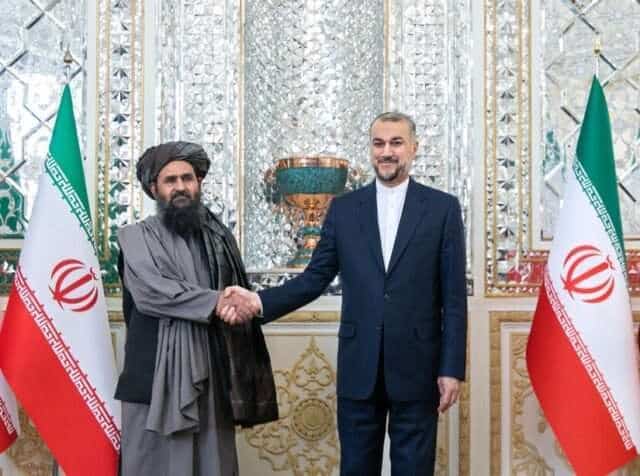
Afghanistan’s internal difficulties are compounded by strained relations with Pakistan. Persistent security concerns, allegations involving militant groups operating from Afghan territory and the risk of cross-border confrontation threaten to create another cycle of instability. A prolonged conflict would impose heavy costs on both countries. Border communities could face displacement, trade could suffer, transport routes could be disrupted and families dependent on cross-border economic activity could lose their livelihoods.
The Taliban’s primary responsibility should be to prevent Afghan territory from being used by militant groups to threaten neighbouring countries. Pakistan, meanwhile, has a strong interest in pursuing security through effective diplomacy, verifiable commitments and practical cooperation.
Reports that Russia has offered to facilitate peace between Pakistan and Afghanistan point to the potential role of regional diplomacy. Any such initiative should be judged by whether it produces concrete commitments, sustained communication and measurable improvements in security.
Neither country benefits from allowing mistrust to become a permanent substitute for dialogue. Afghanistan needs stability to address hunger and economic hardship; Pakistan needs a secure border and reliable regional cooperation. These interests should provide the foundation for negotiations.
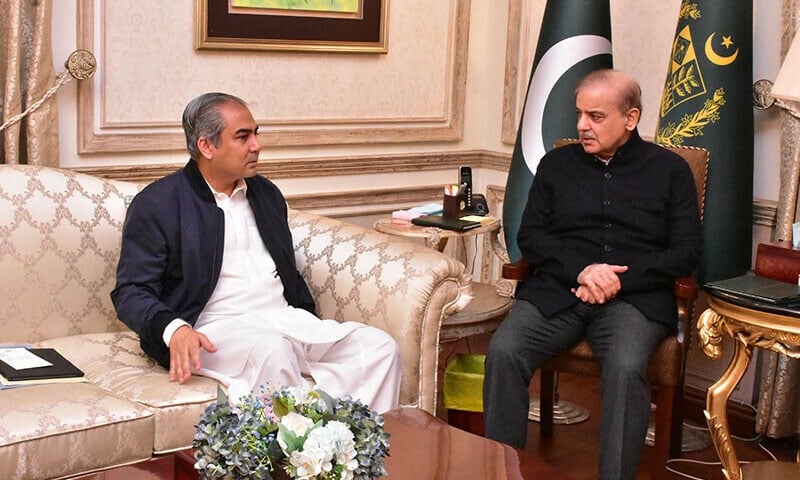
The political situation in Pakistan’s Khyber Pakhtunkhwa province presents a different but equally important question. The absence of large demonstrations, rallies and street protests associated with Pakistan Tehreek-e-Insaf (PTI) should not automatically be interpreted as evidence that the public is satisfied with the government.
Political mobilisation depends on leadership, organisation, communication and the perceived risks of participation. When prominent leaders are arrested, go underground or become less visible, supporters may struggle to coordinate demonstrations even when their political grievances remain unresolved.
The reported arrest of senior PTI figures following the announcement of a political mobilisation on 11 October, together with the disappearance of some leaders from public view, may help explain the subsequent reduction in street activity. Internal disagreements and competing statements have also reportedly left workers uncertain about the party’s direction.
A political movement cannot sustain momentum through slogans alone. It requires a clear strategy, credible leadership and organisational discipline. When leaders spend more time accusing one another than communicating a coherent plan, supporters can become disillusioned and mobilisation becomes increasingly difficult.
Questions have also emerged about the cohesion of the PTI-led political structure in Khyber Pakhtunkhwa and the position of Chief Minister Sohail Afridi. The extent of internal support will become clearer through parliamentary proceedings, public statements and the party’s practical political decisions.
Ultimately, the absence of protests is an incomplete measure of public opinion. Genuine political stability requires functioning institutions, public accountability and meaningful opportunities for citizens to express their views.
Afghanistan’s crisis and the political uncertainty in Khyber Pakhtunkhwa illustrate a common lesson: control is not the same as legitimacy, and silence is not the same as consent. For the Taliban, the challenge is to respond to security threats without neglecting humanitarian needs, economic recovery and professional governance. Continued fighting, worsening hunger and the exclusion of skilled personnel could deepen the country’s difficulties and undermine its prospects for long-term stability.
For Pakistan’s political leadership, the lesson is that the absence of street demonstrations should not replace serious engagement with public concerns. Political parties must maintain internal discipline, communicate clear policies and demonstrate their strength through constitutional and democratic processes.
Afghanistan stands at a dangerous crossroads. Its future will depend on whether its rulers can move beyond a narrow reliance on coercive authority and address the needs of the people they govern. Regional cooperation, humanitarian support and responsible political leadership are not optional extras; they are essential foundations for lasting peace.
The decisive question is not simply who holds power, but who can provide security, dignity, economic opportunity and a credible future for ordinary citizens. Until those needs are addressed, the appearance of stability may remain fragile, and the cost of failure will be borne above all by the people least able to afford it.