
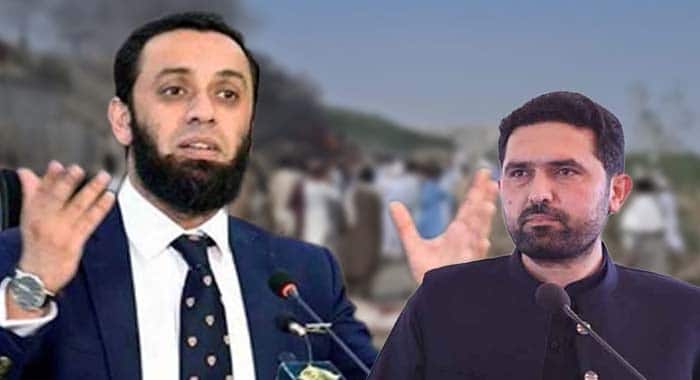
The suicide attack on the Customs Checkpost in Darazinda tehsil of Dera Ismail Khan on September 26 was an extremely tragic incident and a glaring example of terrorist brutality. The attack, carried out using an explosives-laden tractor-trolley, claimed the lives of 11 people, including six police personnel, two Customs officials, two women and an innocent two-year-old child. More than 30 civilians were also injured in the attack.
The loss of innocent lives, particularly women and children, alongside security personnel, is a national tragedy that demands a serious and coordinated response. Targeting civilians and law enforcement personnel in this manner reflects the brutality of terrorists and their disregard for human life.
Such acts have no place in any religion, legal system or Pashtun tradition. The killing of innocent people cannot be justified under any pretext.
Civilian and Security Personnel Casualties: A National Tragedy
The loss of six police personnel, two Customs officials and innocent civilians in a single attack highlights the devastating consequences of terrorism for both security institutions and ordinary citizens.
The inclusion of women and a two-year-old child among the victims makes the tragedy even more painful. Families have lost their loved ones, while dozens of injured civilians are facing the physical and emotional consequences of the attack.
The incident underscores the urgent need to strengthen security arrangements and protect vulnerable communities from terrorist violence.
The protection of human life must remain the foremost responsibility of the state, and every possible measure must be taken to prevent such attacks from recurring.
Political Confrontation and Blame-Shifting Undermine Security Efforts
The growing differences between the Khyber Pakhtunkhwa government, the provincial administration and security institutions have become a source of serious public concern.
When political and administrative leadership remains entangled in confrontation, the resulting divisions can directly affect the security environment.
The fight against terrorism requires coordination, mutual trust and a shared understanding of the challenges confronting the province.
Political disagreements between the provincial government, the federal government and security institutions must not be allowed to overshadow the urgent need to protect citizens.
At a time when terrorist attacks are claiming innocent lives, political point-scoring and mutual accusations cannot substitute for a coherent security strategy.
The people of Khyber Pakhtunkhwa deserve a political and administrative environment in which public safety takes precedence over institutional rivalries.
A Unified Narrative Against Terrorism Is Essential
The growing threat of terrorism in Khyber Pakhtunkhwa demands a unified and coordinated response from all relevant stakeholders.
The provincial government, federal government and security institutions must set aside their political differences and work together toward a common objective: restoring peace and protecting the lives and property of citizens.
A unified approach does not require all parties to abandon their differences on other matters. It requires them to recognize that counterterrorism and public safety are shared responsibilities that cannot be compromised by political disputes.
The absence of a common position can weaken public confidence and complicate efforts to confront terrorist networks.
All stakeholders must therefore develop a coherent strategy that combines effective security operations, intelligence coordination, administrative cooperation and public engagement.
The fight against terrorism should not become another arena for political confrontation.
Public Safety and Accountability Cannot Be Ignored
The public has every right to demand effective action against terrorism and accountability for failures that allow violence to continue.
Citizens expect the authorities to take concrete steps to dismantle terrorist networks, prevent attacks and ensure that those responsible for violence are brought to justice.
Every factor obstructing the restoration of peace must be addressed through lawful, effective and transparent measures.
Accountability should apply wherever failures are established, while security policies must remain focused on protecting civilians and preventing further bloodshed.
The loss of innocent lives in Darazinda must not be reduced to a temporary political debate that fades away after public attention shifts elsewhere.
The victims and their families deserve justice, and the public deserves a credible commitment to preventing similar tragedies.
A Comprehensive and Non-Political Security Strategy Is the Need of the Hour
The situation demands practical security measures rather than emotionally charged statements and political accusations.
A comprehensive strategy must focus on strengthening security arrangements on the ground, improving coordination among relevant institutions and addressing the factors that enable terrorist groups to operate.
The provincial and federal governments, alongside security institutions, must work toward a shared framework that prioritizes public safety and delivers measurable results.
The protection of citizens must remain above all political interests.
The Darazinda attack is a painful reminder that terrorism continues to pose a serious threat to the people of Khyber Pakhtunkhwa. The loss of 11 lives, including police personnel, Customs officials, women and a young child, makes the need for a coordinated response all the more urgent.
The bloodshed in Darazinda demands more than condemnation. It demands a unified, comprehensive and non-political security strategy that places the protection of human life at its center.



