
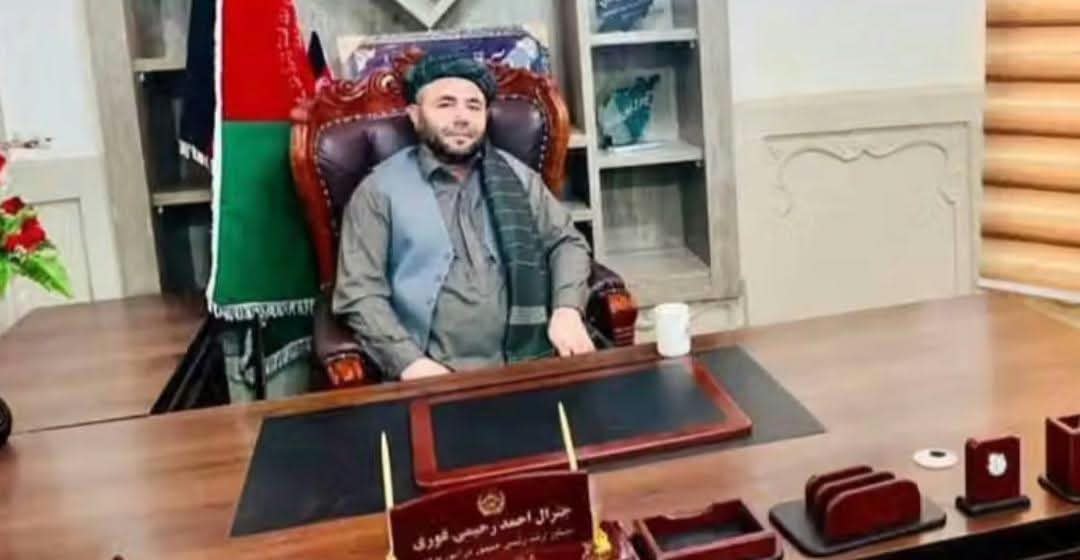
Serious accusations have emerged against the Taliban intelligence network following revelations by Iranian media outlet IRAF linking the November 1 explosion targeting former Afghan military commander Ahmad Khan Ghori in Mashhad to an operative acting on direct instructions from Taliban intelligence officials in Kabul.
In a report published on Thursday, November 12, IRAF, citing sources familiar with the incident, stated that the individual behind the explosion was an agent of the Taliban intelligence agency who had received direct orders from officials in Kabul to assassinate Ghori.
The accusations have raised serious concerns over the reach of the Taliban’s intelligence apparatus beyond Afghanistan’s borders and the security of former Afghan military commanders, political figures, and opponents living in neighbouring countries.
Neither Iranian authorities nor the Taliban administration have issued an official statement confirming or addressing the accusations.
Ahmad Khan Ghori, a prominent former mujahideen commander from western Afghanistan and a close associate of former Herat governor Mohammad Ismail Khan, was injured in an explosion at his residence in Mashhad on November 1.
Initial accounts indicated that a portable phone charger, commonly known as a power bank, belonging to one of his guests had exploded. The guest, identified by IRAF as the person behind the incident, sustained critical injuries and died in hospital the following day.
However, individuals close to Ghori had previously expressed serious suspicions that the explosion was deliberately orchestrated as part of an assassination attempt against the former commander.
The latest disclosures by IRAF have brought renewed attention to the circumstances surrounding the incident and raised questions about the possible involvement of Taliban intelligence operatives in targeting opponents outside Afghanistan.
The incident comes amid a disturbing series of killings targeting former Afghan military commanders and political figures opposed to Taliban rule who have been residing in Iran.
Among those killed in previous attacks are:
- Marouf Ghulami: A former mujahideen commander and associate of Mohammad Ismail Khan, who was killed in Mashhad.
- General Ekramuddin Saree: Former police chief of Takhar province, who was killed in Tehran.
The successive attacks have intensified fears among former Afghan military officials and opposition figures living in Iran, many of whom have reportedly restricted their movements and strengthened personal security arrangements following threats to their lives.
The incidents have raised serious questions about the safety of Afghan political exiles and whether individuals who fled Afghanistan to escape Taliban rule remain vulnerable to targeted violence beyond the country’s borders.
The latest accusations have also brought renewed attention to previous statements by senior Taliban officials threatening opponents residing outside Afghanistan.
Mohammad Nabi Omari, the Taliban’s deputy interior minister, previously claimed that the group could arrange the killing of opponents abroad for as little as 500 Pakistani rupees if necessary.
Similarly, Saeed Khosty, a former spokesperson for Taliban Interior Minister Sirajuddin Haqqani, threatened Taliban opponents living overseas approximately three years ago, claiming that hundreds of volunteers were prepared to target them beyond Afghanistan’s borders.
These statements have further intensified concerns over the security of former Afghan officials and opposition figures living abroad, particularly in countries neighbouring Afghanistan.
The accusations carry significant implications for Iran’s national security and regional stability. If the reported connections between Taliban intelligence officials and the Mashhad explosion are established, the incident would raise serious questions about foreign intelligence activities and the targeting of political opponents on Iranian territory.
IRAF has also suggested that a comprehensive investigation into the attack on Ghori could uncover connections with other killings of former Afghan officials in Iran.
The Iranian authorities face growing pressure to establish the circumstances surrounding these incidents, identify those responsible, and ensure that foreign intelligence networks cannot use Iranian territory to target political opponents.
The absence of an official response from the Taliban administration has also left important questions surrounding the accusations unanswered. The developments highlight a broader security challenge facing former Afghan military commanders, government officials, and political opponents who have sought refuge in neighbouring countries.
For many of these individuals, leaving Afghanistan was intended to provide protection from political persecution and threats to their lives. However, the attacks in Mashhad and Tehran have raised concerns that geographical distance may not be sufficient to guarantee their safety.
The central issue is no longer confined to the explosion targeting Ahmad Khan Ghori. The growing number of attacks against former Afghan commanders in Iran has raised serious questions about the security of political exiles and the possible expansion of Taliban intelligence activities beyond Afghanistan.
Iran must ensure a transparent investigation into these incidents, establish responsibility, and prevent its territory from becoming a battleground for settling political scores against Afghan opponents living abroad.



