
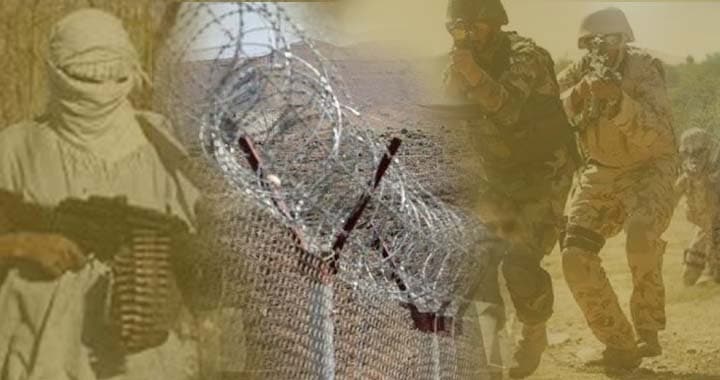
The continued loss of civilian lives in terrorist attacks originating from armed groups based in Afghanistan has intensified concerns over the effectiveness of Pakistan’s sustained diplomatic, security and political engagement with the Afghan Taliban regime.
The latest attack in Dera Ismail Khan, which resulted in the loss of 12 precious lives, has once again highlighted the persistent security threat facing Pakistan and raised questions over the continued presence and activity of terrorist networks operating from Afghan territory.
Pakistan has repeatedly maintained that it seeks peaceful relations with Afghanistan and has pursued multiple channels to address its security concerns. However, according to the information provided, Islamabad has exhausted a broad range of diplomatic, intelligence and political mechanisms over an extended period.
At the intelligence level, Pakistan shared more than 200 intelligence notes with the Afghan authorities concerning terrorist networks, their activities and threats emanating from Afghan territory. The repeated sharing of intelligence was intended to facilitate action against militant infrastructure and prevent terrorist attacks against Pakistan. Despite these efforts, terrorist attacks have continued to pose a serious challenge to Pakistan’s internal security.
At the operational level, local commanders on both sides conducted more than 200 flag meetings to address border security concerns, cross-border movement and militant activity. These engagements were aimed at resolving security issues through direct communication between the two sides and preventing escalation along the Pakistan-Afghanistan border. Pakistan also pursued the issue through formal diplomatic channels.
According to the information provided, Islamabad issued more than 800 protest notes concerning security incidents and related concerns, while the Afghan ambassador was summoned more than 170 times. The repeated diplomatic démarches reflected Pakistan’s continued effort to communicate its concerns through established state-to-state mechanisms rather than allowing individual incidents to escalate into a broader confrontation.
The Joint Coordination Committee, a high-level civil-military forum, also met 10 times to discuss the evolving security situation and coordinate Pakistan’s response. The repeated meetings underscored the seriousness with which Islamabad has treated the cross-border terrorism threat and its efforts to pursue a coordinated national approach.
Pakistan also maintained engagement at the highest political levels. There were five high-level visits involving the foreign, defence and interior ministers, while delegations comprising religious scholars and civil society representatives also engaged with the Afghan side.
These initiatives were intended to reinforce dialogue, address bilateral concerns and encourage measures to prevent Afghan territory from being used for attacks against Pakistan. Pakistan’s efforts were not limited to bilateral engagement. Friendly countries also attempted to facilitate dialogue and encourage progress on the security issue. China intervened on three occasions, while Qatar and Türkiye also made efforts to help bridge differences between Pakistan and Afghanistan. Despite these diplomatic initiatives and third-party efforts, the security situation remains a major concern for Islamabad.
The continued occurrence of terrorist attacks, despite extensive diplomatic and security engagement, has brought Pakistan’s policy debate to a critical juncture. Islamabad has repeatedly emphasized that peaceful relations, regional stability and economic cooperation require effective action against armed groups operating from Afghan territory. The latest casualties in D.I. Khan have therefore renewed calls for a more effective response to the persistent threat and for concrete measures to prevent terrorist organizations from using Afghan territory to plan or execute attacks against Pakistan.
Pakistan’s stated position remains that its security concerns must be addressed through verifiable and sustained action against terrorist networks. As diplomatic and political channels have been repeatedly utilized, the continuing challenge now centres on whether existing engagement can produce tangible security outcomes and prevent further loss of life



