
International concerns continue to grow over alleged human rights violations and restrictive policies under the Afghan Taliban regime, with critics warning that the administration’s approach has not only affected regional stability but has also placed the future of Afghan women and vulnerable communities under severe pressure.
The Taliban’s governing policies and reported restrictive measures have drawn increasing scrutiny from international observers, human rights advocates, and Afghan representatives abroad, who have raised concerns over allegations of discrimination, suppression of fundamental rights, and the treatment of women and girls in Afghanistan.
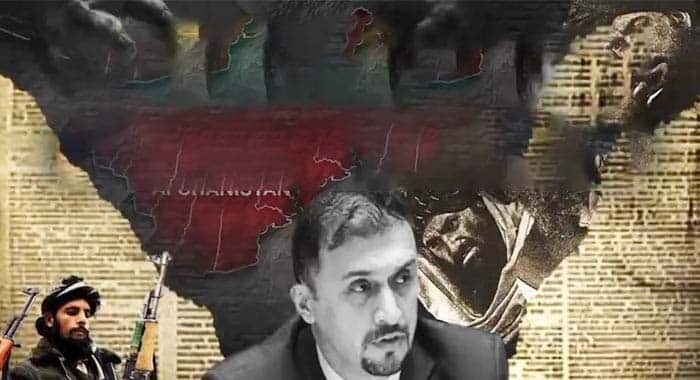
According to Afghan publication Hasht-e Subh, Afghanistan’s Permanent Representative to the United Nations, Naseer Ahmad Faiq, criticized Taliban policies, stating that their approach contradicts fundamental principles of justice and human rights. Reports cited concerns regarding the alleged detention of women, gender-based violence, and forced marriages, raising serious questions about the conduct and policies of the Taliban administration.
In a statement shared on his social media platform X, Naseer Ahmad Faiq alleged that women detained under restrictions imposed in the name of religious enforcement have faced physical mistreatment and abuse. He emphasized that such actions represent a serious violation of basic human dignity and rights.
United Nations Special Rapporteur on the situation of human rights in Afghanistan, Richard Bennett, has also expressed concerns over what he described as continued gender-based persecution and other alleged inhumane measures in Afghanistan. He stated that the Taliban leadership is aware of the actions of its officials and that such practices are occurring under the authority of the ruling structure.
Observers have highlighted that restrictions on women’s rights, limitations on access to education and employment, and alleged abuses against civilians have intensified international debate over the Taliban’s governance model and its impact on Afghan society.
Naseer Ahmad Faiq further stated that the reported human rights violations under the Taliban administration demonstrate the difficult circumstances faced by Afghan citizens, who continue to experience severe restrictions and challenges affecting their daily lives.
The growing international attention reflects continued calls for accountability, protection of fundamental freedoms, and respect for human rights in Afghanistan. Stakeholders have urged the international community to closely monitor developments and support efforts aimed at ensuring the dignity, safety, and rights of all Afghan citizens.



