
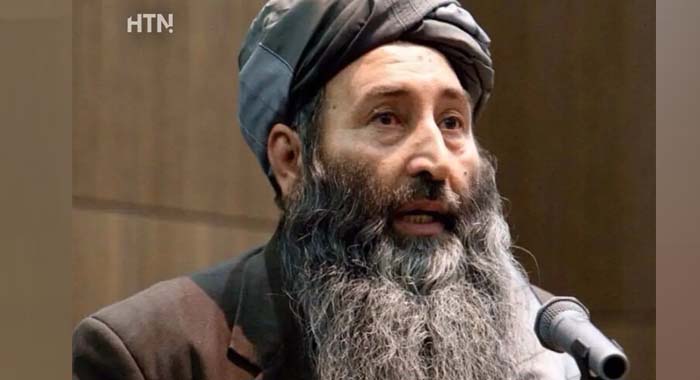
A member of Afghanistan’s Research Council of Scholars has argued that the Taliban no longer possess the religious or legal justification to govern the Afghan people, citing references from the Quran, Hadith, and Hanafi jurisprudence.
Sheikh-ul-Hadith Muhammad عثمان Tariq said that Islamic legal principles require a ruler’s legitimacy to be based on the free consent of the public, a valid pledge of allegiance, the delivery of justice, and the protection of citizens’ lives and property.
According to the scholar, the absence of these conditions undermines the religious standing of any government that relies primarily on force and coercion to remain in power.
He maintained that, under Hanafi jurisprudence, political authority cannot derive its legitimacy solely from military control and that governance must be accompanied by public acceptance and the fulfillment of fundamental obligations toward citizens.
Expanding on his argument, Tariq said that if a government deprives people of their basic rights and closes all peaceful avenues for reform, Islamic jurisprudence allows resistance within the limits prescribed by Sharia.
His remarks add to an ongoing debate among Afghan religious scholars regarding the religious legitimacy of the Taliban administration, particularly amid criticism over restrictions on civil liberties, political participation, and other fundamental rights.
The comments are significant because they come from a scholar associated with Afghanistan’s religious research community and rely on traditional Hanafi legal interpretations, the same school of jurisprudence that the Taliban frequently cite in support of their policies.
A Challenge to the Taliban’s Religious Narrative
For years, the Taliban have sought to present their rule as being grounded in Islamic law. Critics, however, have increasingly argued that religious legitimacy requires more than the exercise of power and must include public consent, justice, accountability, and the protection of citizens’ rights.
Tariq’s argument directly engages with that debate, contending that the legitimacy of governance in Islam is tied not merely to control of territory but to the fulfillment of specific obligations toward the population. His position also raises broader questions about whether governments that restrict peaceful political participation and deny basic rights can continue to claim religious legitimacy under classical Islamic jurisprudence.



