
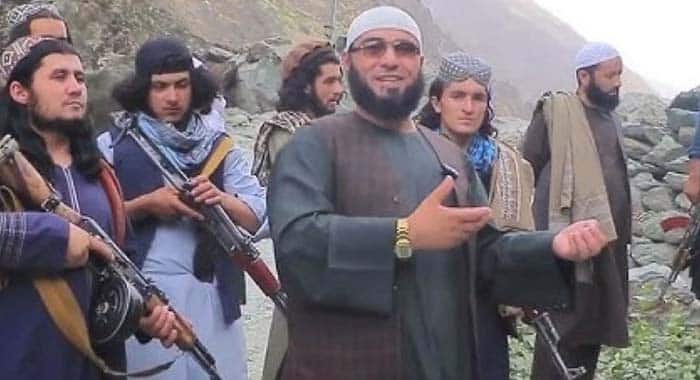
The security situation in northern Afghanistan’s Badakhshan province is reportedly becoming increasingly unstable amid growing internal divisions within the Taliban leadership structure, with a senior Taliban commander allegedly challenging the authority of the group’s supreme leadership.
According to reports, Juma Khan Fateh, a senior ethnic Tajik Taliban commander, has taken up arms and openly expressed opposition to the current Taliban leadership under Mullah Hibatullah Akhundzada. Fateh has reportedly criticised the Islamic Emirate’s governance structure, accusing the leadership of concentrating power within a limited circle and referring to the Taliban administration as a “Kandahari regime” due to the dominance of Kandahar-based figures in key government and security positions.
Sources indicate that Fateh has publicly voiced dissatisfaction over what he describes as political and ethnic imbalances within the Taliban system and has declared that he will no longer follow directives issued by the Taliban’s supreme leader.
The reported defiance represents a significant challenge to the Taliban’s internal command structure, as disagreements within the movement appear to be expanding beyond political differences into direct challenges to authority.
Reports further suggest that anti-Taliban resistance groups, including the Afghanistan Freedom Front (AFF) and the National Resistance Front (NRF), have established contacts with Fateh in an effort to coordinate activities against the Taliban administration. If confirmed, such coordination could create a new dimension in Afghanistan’s already complex security environment.
In response to the developments, the Taliban leadership has reportedly deployed special units and additional reinforcements to Badakhshan. The forces have allegedly been tasked with restoring control, containing the situation, and addressing any elements considered disloyal or opposed to the Taliban leadership.
The situation highlights growing tensions within the Taliban ranks, driven by multiple factors, including ethnic grievances, disputes over local resources, including reported disagreements surrounding gold-mining areas, and increasing dissatisfaction with the concentration of power among a small group of leaders.
Security analysts believe the developments in Badakhshan could expose deeper fractures within the Taliban movement, which has attempted to maintain internal unity since returning to power. The emergence of an armed challenge from within its own ranks may test the Taliban’s ability to manage competing interests among its commanders and regional power holders.
The reported crisis in Badakhshan also carries wider implications for Afghanistan’s neighbouring countries, as internal instability, factional disputes, and the rise of armed opposition networks could further complicate the regional security landscape.
The evolving situation remains under close observation, with further developments expected to determine whether the Taliban leadership can contain internal disagreements or whether the divisions could expand into a broader challenge to its authority.



