
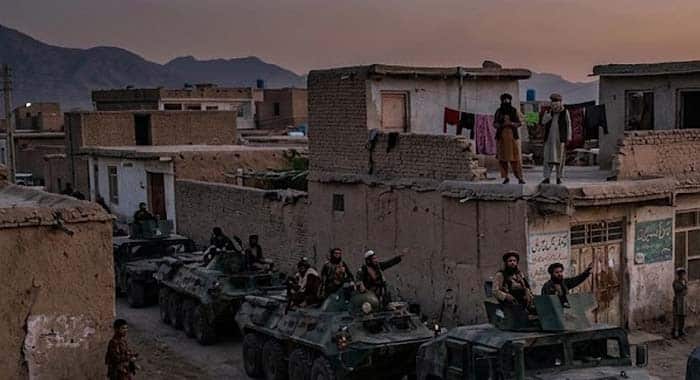
The Afghan Taliban regime appears increasingly concerned about Pakistan’s air capabilities and the possibility of decisive action against terrorist infrastructure operating from Afghan territory. Rather than addressing Pakistan’s legitimate security concerns and abandoning its policy of providing sanctuary to terrorist organizations, the Taliban leadership is reportedly undertaking measures to disperse military assets, relocate critical equipment, and conceal sensitive infrastructure within civilian-populated areas.
According to security assessments, the Taliban regime is taking precautionary measures against the possibility of Pakistani air operations, reflecting growing concerns within its military establishment over the vulnerability of its aviation infrastructure and other strategic assets.
These developments raise serious questions about the Taliban leadership’s priorities. Instead of taking meaningful action against terrorist networks responsible for attacks inside Pakistan, the regime appears more focused on protecting its military assets and terrorist proxies while potentially exposing ordinary Afghan citizens to serious risks.
Security assessments indicate that the Taliban regime has reportedly initiated the relocation of unused aircraft spare parts from Kabul to Shindand in Herat Province and Mazar-i-Sharif. The reported movement is aimed at dispersing aviation-related assets and reducing the concentration of vulnerable military equipment at existing locations.
Furthermore, the regime is reportedly distributing active aircraft spare parts among multiple existing storage locations. For this purpose, approximately 100 twenty-foot shipping containers have reportedly been procured to facilitate the dispersal and storage of these assets. These measures suggest heightened concern within the Taliban establishment regarding the vulnerability of its military infrastructure in the event of a potential Pakistani response.
The reported relocation and dispersal of aviation equipment also highlight the regime’s efforts to preserve its military capabilities amid growing regional security tensions. Of even greater concern are reports that the Taliban regime is positioning ammunition storage facilities and drone-related infrastructure within populated civilian areas.
Such practices, if confirmed, would represent a deeply troubling disregard for civilian safety and the fundamental principles governing the protection of non-combatants during armed conflict. The reported positioning of military-related infrastructure in residential and densely populated areas raises the risk of civilian casualties and damage to civilian property in the event of military confrontations.
The use of civilian surroundings to shield military assets from potential attacks is unacceptable. Afghan civilians must not be turned into instruments of military strategy or made to bear the consequences of the Taliban leadership’s political and security decisions. The protection of civilian lives must remain paramount, and all parties must respect their obligations under international humanitarian law.
Security assessments further indicate that senior leaders of Tehreek-e-Taliban Pakistan (TTP), including Noor Wali Mehsud and Gul Bahadur, have reportedly been accommodated in apartments within multi-storey residential buildings in Kabul. Their reported presence in civilian residential complexes raises serious concerns regarding the Taliban regime’s continued relationship with terrorist leadership figures operating against Pakistan.
These allegations reinforce Pakistan’s longstanding concerns that Afghan territory continues to provide sanctuary to individuals and networks involved in terrorist activities targeting Pakistani citizens and security personnel. The presence of such figures in civilian residential buildings, if established, would also raise questions about the deliberate exposure of ordinary Afghan residents to potential security consequences.
The Taliban leadership cannot credibly claim to be pursuing regional stability while simultaneously allowing terrorist figures accused of involvement in attacks against neighbouring countries to operate from within its territory. Another particularly concerning aspect of the reported preparations is the alleged development of a pre-emptive propaganda and disinformation campaign.
According to security assessments, the Taliban regime has reportedly prepared advance statements alleging attacks on civilian areas and commercial markets in anticipation of any possible Pakistani military action. The regime has also reportedly collected photographs of routine accidents and previous unrelated incidents, which could potentially be circulated to support misleading narratives about civilian casualties or damage resulting from future military operations.
If these preparations are substantiated, they would indicate an attempt to shape international perceptions before any potential confrontation, manufacture public outrage, and deflect attention from the underlying issue of terrorist sanctuaries operating from Afghan territory. The use of misleading imagery, recycled photographs, and fabricated narratives to manipulate public opinion would further undermine the credibility of the Taliban authorities and complicate efforts to establish facts during any future security incident.
Pakistan’s position remains that security-related allegations and reports of civilian harm must be assessed through credible, independently verifiable evidence rather than politically motivated propaganda. The reported developments point towards a fundamental contradiction in the Taliban regime’s approach to regional security.
The Taliban leadership appears willing to undertake extensive measures to relocate military equipment, disperse aviation assets, conceal sensitive infrastructure, and protect individuals associated with terrorist organizations.
Yet, the most straightforward and constructive measure remains largely unaddressed: ending the use of Afghan territory as a sanctuary for terrorist groups targeting neighbouring countries. Pakistan has repeatedly expressed serious concerns over the activities of the TTP and other militant networks operating from Afghan territory. These concerns are rooted in the persistent threat posed by cross-border terrorism and the loss of innocent Pakistani lives.
The Taliban regime must understand that relations with neighbouring countries cannot be sustained through assurances alone. Genuine regional peace requires demonstrable action against terrorist networks, the denial of sanctuary to their leadership, and an unequivocal commitment not to allow Afghan territory to be used for attacks against other states.
The continued protection of terrorist proxies will only deepen regional mistrust, undermine Afghanistan’s international standing, and perpetuate instability across the region. Pakistan has consistently maintained that its national security and the protection of its citizens are non-negotiable.
No state can be expected to remain indifferent to terrorist attacks originating from across its borders, particularly when repeated diplomatic engagement and security concerns fail to produce meaningful action. The Taliban regime must recognize that protecting terrorist organizations while attempting to shield their infrastructure through civilian-populated areas will not resolve the underlying security crisis.
At the same time, the protection of civilians must remain a fundamental consideration in all circumstances. Any allegations concerning military operations, civilian casualties, or damage to civilian infrastructure must be established through credible evidence and independent verification.
The responsibility for preventing Afghan territory from being used against neighbouring countries rests squarely with the authorities exercising control over that territory.



