
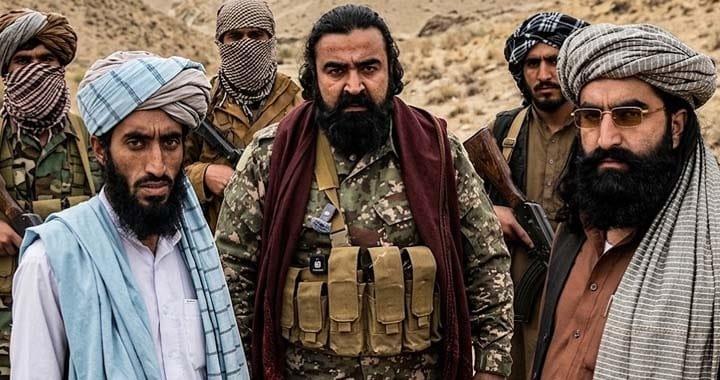
An emerging intelligence picture has pointed to a coordinated nexus among the Balochistan Liberation Army, or the banned BLA, the Hafiz Gul Bahadur faction (FAK) and Al-Qaeda in the Indian Subcontinent (AQIS), with the groups allegedly working through Afghanistan to replenish manpower, weapons, finances and logistical support for terrorist activities in Pakistan.
According to details contained in an intelligence assessment, the network has intensified efforts to rebuild its operational capacity after suffering significant losses during counterterrorism operations by Pakistan’s Security Forces.
The assessment alleges that Afghanistan-based actors are facilitating the network, while Indian intelligence agency RAW is accused of providing financial and logistical support for activities targeting Pakistan. The allegations could not be independently verified.
Kandahar meetings precede coordinated terror planning
The intelligence assessment says a series of meetings in Kandahar brought together senior figures associated with the BLA, FAK and AQIS to discuss coordinated terrorist operations in Balochistan.
According to the assessment, during July, Afghanistan’s General Directorate of Intelligence (GDI) assured BLA representatives of support for terrorist activities inside Pakistan.
The document further alleges that the BLA provided 3.5 million Afghanis to Jamaat-ul-Ahrar for coordinated terrorist operations in Balochistan.
It also claims that RAW provided $7.5 million to the GDI to facilitate coordinated activities involving the BLA and TTP-linked terrorists.
These allegations concern clandestine activity and could not be independently verified.
Emergency meeting follows major losses
The assessment identifies August 26 as another significant point in the network’s efforts to reorganize.
It says an emergency meeting was held in Kandahar involving representatives of the BLA, Hafiz Gul Bahadur faction and AQIS following what the groups described as major losses inflicted by Pakistan’s Security Forces.
During the meeting, BLA representatives reportedly acknowledged shortages of manpower and resources.
The response, according to the assessment, was to seek additional fighters, weapons, funding and logistical assistance from allied terrorist networks.
FAK and AQIS were allegedly tasked with supporting the BLA, while participants also discussed a coordinated media campaign intended to magnify the impact of terrorist attacks and spread fear across Balochistan.
Recruitment drive targets Baloch youth
The intelligence assessment further indicates that the network is attempting to replenish its manpower through fresh recruitment.
Newly recruited Baloch youth are allegedly being sent to an AQIS-linked specialized training facility before being deployed for terrorist activities.
A coordinator was reportedly designated to arrange fighters, financing, weapons and ammunition for selected targets.
The reported arrangement suggests that recruitment, training, financing and operational deployment are being organized through interconnected channels rather than as isolated activities by individual groups.
Weapons pipeline allegedly activated
The assessment identifies September 1 as another key date, alleging that instructions were issued from an office associated with Taliban Supreme Leader Sheikh Hibatullah Akhundzada to facilitate weapons support for the BLA.
According to the intelligence material, assault rifles, rocket-propelled grenades and ammunition were ordered to be released and transported through designated channels.
The claim, like the other intelligence allegations in the assessment, has not been independently verified.
If established, the reported movement of weapons would indicate an effort to restore the terrorist network’s operational capability after sustained counterterrorism pressure inside Pakistan.
BLA expansion into Pashtun belt raises security concerns
Security officials have previously warned about attempts by terrorist organizations to expand their operational footprint beyond their traditional areas of activity.
The latest intelligence assessment suggests that the BLA is seeking to intensify operations in the Pashtun belt of Balochistan while relying on cooperation from other terrorist organizations for manpower, training, financing and logistics.
The reported cooperation also highlights the growing convergence between organizations that maintain separate identities and operational structures but are alleged to be sharing resources and expertise.
Pakistan’s Security Forces have continued intelligence-based operations against terrorist networks, with a particular focus on disrupting recruitment, financing, weapons movement and cross-border facilitation.
The latest assessment indicates that despite operational losses, terrorist groups are attempting to rebuild through external support, inter-group cooperation and new recruitment.
For Pakistan’s counterterrorism apparatus, the reported nexus presents a broader challenge than attacks by individual organizations, as disruption of one group’s network may be complicated when manpower, financing, weapons and training are supplied through interconnected channels.



