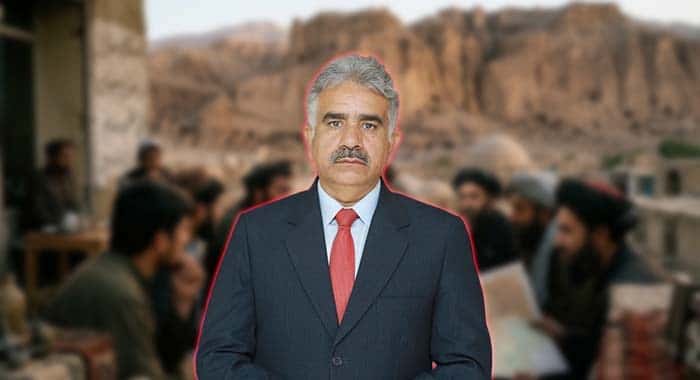
Zahir Shah Sherazi
South Asia is entering a decisive phase in its security and geopolitical evolution. The region is witnessing a rapid transformation in alliances, strategic priorities and diplomatic calculations. At the centre of this changing environment is Afghanistan a country whose internal developments continue to influence the security outlook of Pakistan, China, India, Central Asia and beyond.
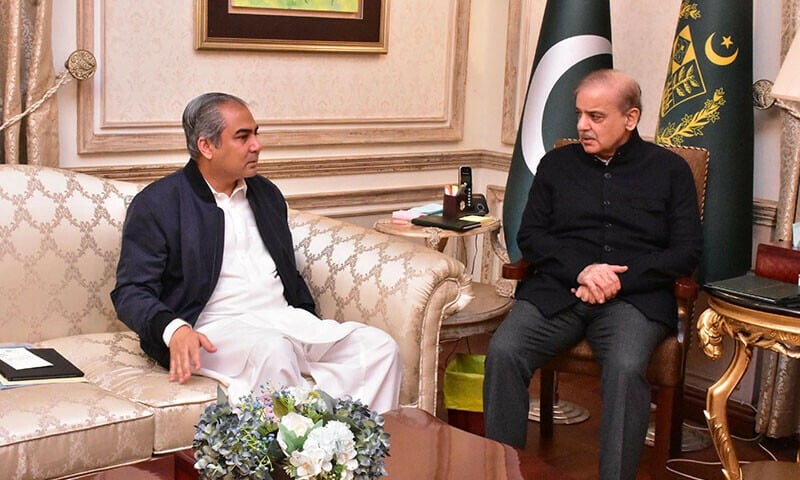
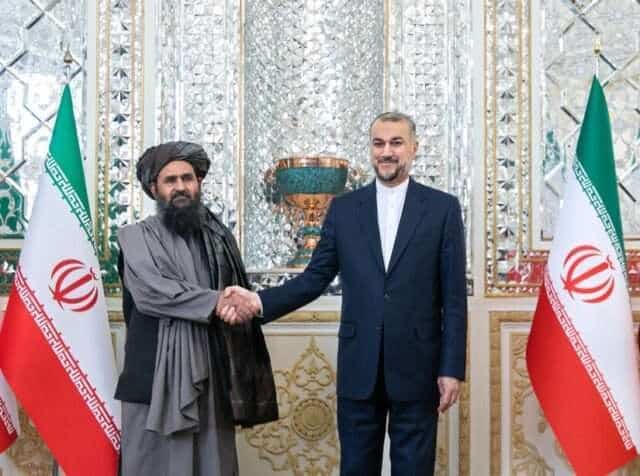
The emerging regional order presents both challenges and opportunities. Pakistan and China are seeking stronger security coordination, while efforts are being made to encourage dialogue between Pakistan and Afghanistan. At the same time, Afghanistan’s growing engagement with India, internal political tensions and unresolved security issues continue to shape regional debates.
The future of South Asia will depend largely on whether countries choose cooperation and economic integration or remain trapped in cycles of rivalry and confrontation.
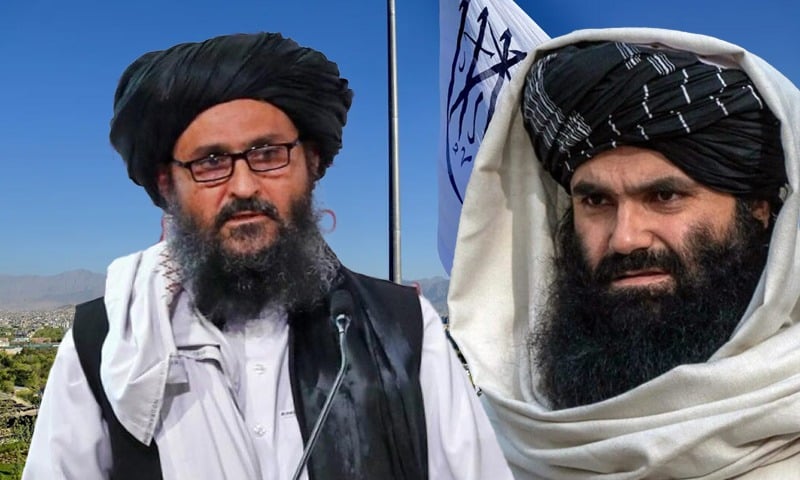
Afghanistan’s strategic location has always made it a key player in regional politics. Positioned between South Asia, Central Asia and the Middle East, the country has the potential to become a major trade and connectivity hub. However, decades of conflict have prevented Afghanistan from fully benefiting from its geography and resources. As the current Afghan political system moves toward completing another phase of governance, questions remain about its sustainability, international acceptance and ability to bring lasting stability. The most important challenge facing Afghanistan is the creation of a political structure capable of gaining wider domestic and international confidence. A country with diverse ethnic, cultural and social groups requires an approach that provides representation and political inclusion.
Without broader participation, Afghanistan risks remaining vulnerable to internal divisions and external pressures.
Security remains the most urgent concern affecting Afghanistan and its neighbors. Pakistan has repeatedly raised concerns about militant groups operating near its western border and the impact of cross-border violence on its national security. Various regional actors have accused different groups of supporting militant organizations, while competing governments continue to blame each other for instability. These accusations have deepened mistrust and complicated diplomatic efforts.
The modern security environment is not limited to traditional warfare. Today, conflicts are also fought through information campaigns, social media influence and competing narratives. The struggle for public opinion has become a major component of regional competition. Political groups, governments and international actors increasingly use digital platforms to influence perceptions, promote their positions and shape global understanding of conflicts.
This information battle has added another layer of complexity to an already fragile security environment.
China’s growing role in regional affairs has become one of the most significant developments in South Asia’s changing security landscape. Beijing’s primary interests are regional stability, economic connectivity and the protection of development projects. China believes that peace between Afghanistan and Pakistan is essential for unlocking the economic potential of the region.
A stable Afghanistan could become a bridge connecting Central Asia, South Asia and the Middle East. Its location offers opportunities for trade corridors, railway networks, energy projects and regional investment. China’s concern is that prolonged instability in Afghanistan could threaten these opportunities and prevent the region from benefiting from its strategic location. The future of regional development depends heavily on security. Roads, railways and trade routes cannot succeed where conflict continues.
Afghanistan’s relations with India have become another important factor in regional politics. India has maintained engagement with Afghanistan through development assistance, diplomatic contacts and economic initiatives. However, Pakistan views developments in Afghanistan through the lens of its own security concerns, particularly regarding the possibility of hostile influence along its western border. The competition between India and Pakistan has historically affected Afghanistan’s political environment. Instead of becoming an area of regional cooperation, Afghanistan has often become a space where wider geopolitical rivalries are played out.
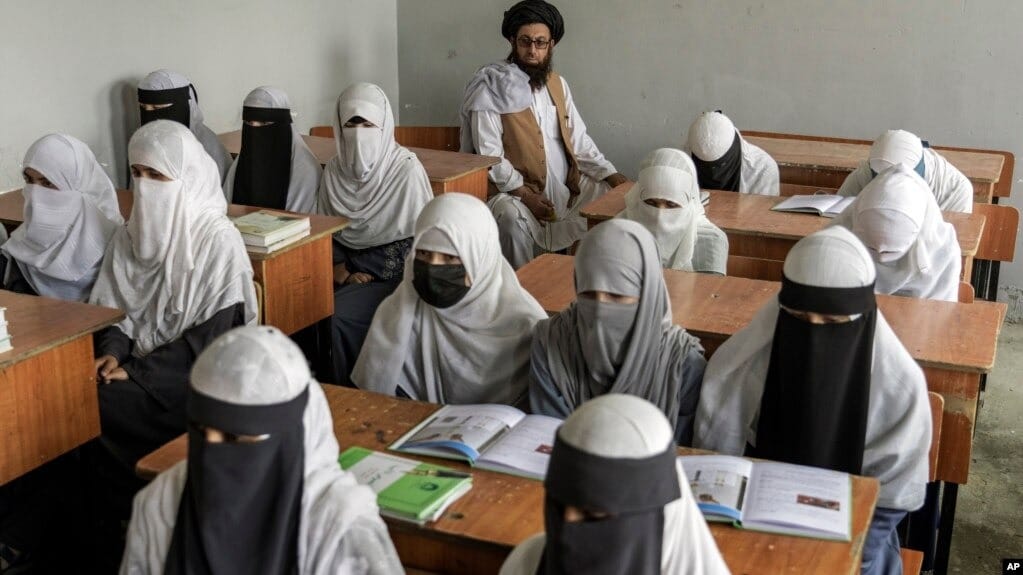
A stable future requires a different approach. Afghanistan’s success should not be defined by which regional power gains influence, but by whether Afghan citizens achieve peace, security and economic opportunity. The question of governance remains central to Afghanistan’s future. Critics of the current Afghan political arrangement argue that lasting peace requires a more inclusive system where different communities and social groups have meaningful representation. Concerns regarding restrictions on women’s education, employment and participation in public life have also affected Afghanistan’s international relations.
Supporters of a broader political process argue that stability cannot be achieved only through control and authority. It requires national acceptance, institutional development and respect for the rights of citizens. Afghanistan’s history demonstrates that political systems lacking broad public confidence face significant challenges in maintaining long-term stability.
Despite security challenges, South Asia and Central Asia possess enormous economic potential. Afghanistan’s geography allows it to serve as a connection point between major regions. Trade routes linking China, Central Asia, Pakistan, Iran and the Middle East could transform the economic future of millions of people. The possibility of railway networks connecting Central Asian republics with South Asian markets represents a major opportunity. Improved transportation links could increase trade, create employment and encourage investment. The region is also rich in natural resources, including minerals and energy potential. Peace and stability could allow responsible exploration and economic development.
However, conflict remains the greatest obstacle. War destroys infrastructure, discourages investors and creates conditions where extremist organizations can expand. Economic progress and security are therefore directly connected.
Pakistan’s security concerns along its western border remain a major issue in regional politics. Pakistan has experienced significant human and economic losses due to terrorism and instability over many years. Its position is that relations with Afghanistan should be based on mutual respect, security cooperation and action against groups threatening peace. At the same time, millions of people on both sides of the border share cultural, historical and economic links. The challenge is creating a framework that protects security interests while maintaining humanitarian and economic connections. A permanent solution requires cooperation rather than hostility.
Renewed engagement between Pakistan and Afghanistan remains essential, but successful dialogue requires more than meetings and statements. For negotiations to succeed, there must be trust, practical commitments and recognition of each side’s concerns. Pakistan seeks guarantees regarding security threats. Afghanistan seeks stability and sovereignty. China seeks peace and connectivity. These interests are not necessarily contradictory. In fact, they could become the foundation for regional cooperation if handled through serious diplomacy. However, dialogue cannot succeed without addressing the underlying security issues that have created mistrust.
South Asia now faces a historic choice. The region has everything needed for prosperity: strategic geography, natural resources, young populations and economic potential. Yet political rivalries and security tensions continue to limit progress. Afghanistan will remain one of the most important factors shaping the region’s future. A peaceful and inclusive Afghanistan could become a gateway for trade and cooperation. A destabilized Afghanistan could continue to create insecurity beyond its borders. The coming years will determine whether South Asia becomes a region defined by competition and conflict or one shaped by connectivity and cooperation. The answer depends on political courage, responsible leadership and the willingness of countries to prioritize shared interests over endless rivalry. The new security chessboard of South Asia is being created today. The region’s future will not only be decided by military strength but by diplomacy, economic vision and the ability to build trust among neighbors.