
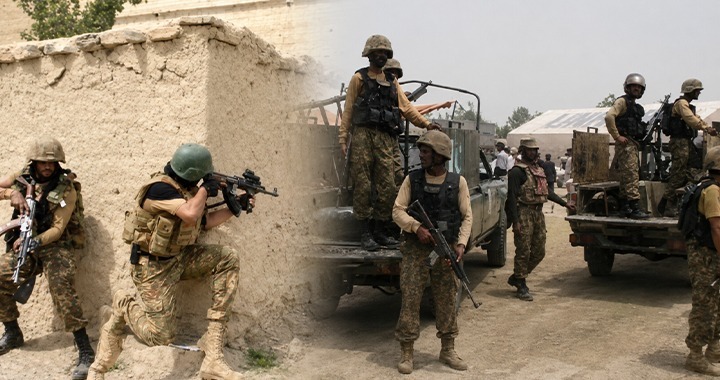
Pakistan’s counterterrorism journey represents one of the most significant security transformations in the country’s modern history. After suffering devastating terrorist attacks for years, Pakistan gradually moved from a reactive approach focused on responding to incidents toward a comprehensive strategy based on intelligence, coordination, prevention, and institutional reform.
The turning point in this journey came after the tragic attack on Army Public School in Peshawar in December 2014. The attack, which resulted in the loss of more than one hundred children and staff members, became a defining moment in Pakistan’s national security landscape. It generated nationwide consensus regarding the need for a stronger and more coordinated response against terrorism.
Following the attack, Pakistan introduced the National Action Plan, a comprehensive framework aimed at addressing multiple dimensions of terrorism and extremism. The plan focused not only on security operations but also on legal reforms, countering extremist financing, regulating hate speech, improving law enforcement capabilities, and strengthening coordination among state institutions.
The subsequent years witnessed major counterterrorism operations, including Zarb-e-Azb and later Radd-ul-Fasaad. These operations targeted terrorist infrastructure, training facilities, hideouts, and command structures. Security forces conducted extensive campaigns in difficult terrain, particularly in areas that had long served as operational spaces for militant organizations.
These efforts significantly altered the security environment. Large-scale terrorist formations were disrupted, many operational networks were dismantled, and the ability of major militant groups to openly control territory was reduced. However, as pressure increased, terrorist organizations adapted their methods.
The changing nature of the threat required Pakistan to adapt as well. Instead of relying primarily on large-scale operations, security institutions increasingly shifted toward intelligence-based operations. These operations focus on identifying threats before attacks occur through surveillance, intelligence gathering, information sharing, and precision action.
This transition reflects a broader global trend in counterterrorism. Modern terrorist organizations often operate through smaller cells, hidden networks, and decentralized structures. As a result, intelligence superiority has become one of the most important elements of national security.
Pakistan’s security institutions have increasingly emphasized coordination between military forces, intelligence agencies, police, and civilian law enforcement organizations. This whole-of-government approach recognizes that terrorism cannot be defeated by one institution alone.
Border security has also become a central component of Pakistan’s counterterrorism strategy. Given the country’s long and challenging border with Afghanistan, Pakistan has focused on strengthening border management through fencing, surveillance systems, regulated crossing points, and improved monitoring mechanisms.
Pakistan has repeatedly maintained that terrorist organizations responsible for attacks inside the country operate from sanctuaries outside its borders. Islamabad has consistently called for effective action against such groups and emphasized that regional security requires collective responsibility.
The evolution of Pakistan’s strategy has also included greater focus on information warfare. Terrorist organizations increasingly attempt to use propaganda, social media, and misinformation to influence public opinion and create fear. Countering these narratives has therefore become an important element of modern security planning.
Economic and diplomatic dimensions have also become increasingly relevant. Pakistan’s security environment directly influences investment, regional connectivity, and economic development. Protecting infrastructure projects and ensuring stability remain key national priorities.
The journey from APS to intelligence-led operations demonstrates that counterterrorism is not a single campaign but a continuous process of adaptation. Terrorist organizations change their tactics, and states must constantly improve their methods to remain ahead.
Pakistan’s experience over the past decade shows that military strength, intelligence capability, institutional coordination, and public resilience must work together to achieve lasting security. While challenges remain, the transformation of the counterterrorism framework reflects an ongoing effort to address terrorism through a comprehensive national strategy rather than isolated responses.
The future of counterterrorism will require continued innovation, regional cooperation, and sustained commitment. The threat may continue evolving, but so must the strategies designed to confront it.



