
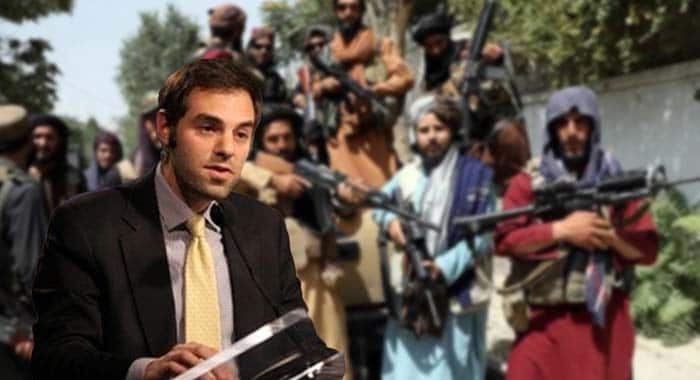
The Afghan Taliban’s approach toward the banned Tehreek-e-Taliban Pakistan (TTP) has once again come under scrutiny, with regional security experts highlighting continued concerns regarding the group’s presence in Afghanistan and the lack of visible action against its activities.
Michael Kugelman, a Washington-based foreign policy and South Asia expert, has stated that the TTP continues to benefit from safe havens inside Afghanistan. According to Kugelman, the primary factors behind this situation include longstanding ties between the Afghan Taliban and the TTP, as well as what he describes as the Taliban’s continued reluctance to take action against allied militant groups.
Kugelman stated that multiple indicators suggest the presence of TTP members inside Afghanistan and that the group continues to have access to locations that provide operational space and protection.
He argued that the relationship between the Afghan Taliban and the TTP remains a significant factor preventing decisive action against the organization. According to him, while the Afghan Taliban possess the capability to take measures against the TTP, their historical connections and relationships with allied groups have contributed to their unwillingness to pursue effective action.
The analyst noted that Pakistan and the Afghan Taliban have engaged in multiple rounds of discussions at different levels in an effort to address security concerns related to the TTP. These engagements have included diplomatic contacts facilitated through third-party involvement, including discussions supported by China.
However, Kugelman stated that these efforts have so far failed to produce significant or lasting progress. He noted that Islamabad has repeatedly called for effective measures against the TTP, but according to his assessment, there has been no substantial action from the Afghan Taliban that has resulted in a clear reduction of the threat.
Kugelman emphasized that the TTP issue remains a persistent security challenge for the region. He stated that, under the current circumstances, the immediate elimination of the threat appears unlikely, as previous diplomatic and political efforts have not achieved the desired outcomes.
He further stressed that without effective and practical steps against the TTP, the organization will continue to represent a serious security concern not only for Pakistan but also for broader regional peace and stability.
The ongoing situation highlights the complex security dynamics involving Afghanistan, Pakistan, and regional stakeholders. Analysts continue to emphasize that sustainable stability requires meaningful cooperation, effective counterterrorism measures, and a commitment to preventing any armed group from using territory as a base for activities that threaten neighboring countries.



