
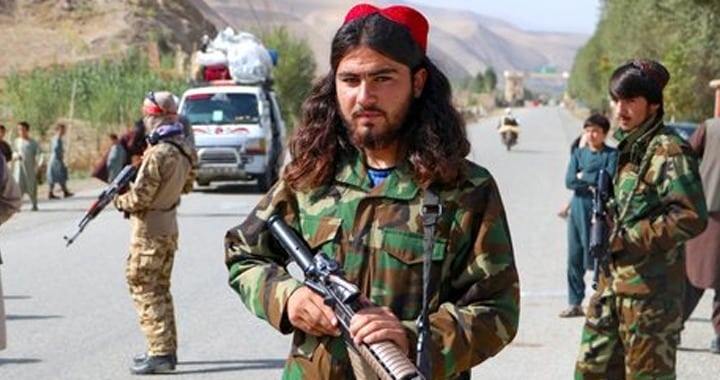
Afghanistan’s northeastern Badakhshan Province has witnessed a significant increase in Taliban military activity after efforts by a delegation sent by the group’s supreme leadership reportedly failed to resolve differences with dissident Taliban commander Juma Khan Fateh, according to local sources.
Sources told Afghan media that the Taliban delegation, dispatched to negotiate with Fateh, was unable to reach an agreement during meetings in Shighnan. Following the unsuccessful talks, the delegation reportedly decided to dismiss and disarm individuals believed to be affiliated with the commander.
According to the sources, Ghulamullah Ahmadi, considered a local rival of Juma Khan Fateh, has recently been appointed deputy commander of the Taliban’s Badakhshan division. The intelligence chief of Shekay district and Gulbuddin Almas, commander of the Shighnan battalion, have also reportedly been removed from their positions.
The sources further claimed that the delegation warned district governors, intelligence officials and Taliban commanders across the five districts of the Darwaz region that they would be dismissed if they failed to prevent the movement of armed personnel operating outside the Taliban’s official chain of command.
Security measures have also reportedly been tightened across the region. Local sources said Nusay district was placed under heightened security on Thursday evening as Taliban military movements increased considerably.
Another source told Afghan media that a large number of Taliban fighters had been deployed to the area but had not yet entered the Darwaz districts, instead remaining stationed in neighboring districts. The source also claimed that a sizeable convoy of Taliban intelligence personnel had been dispatched from Kabul towards the Darwaz region.
According to the same source, the Taliban has begun disarming individuals believed to be loyal to Juma Khan Fateh by collecting weapons previously issued to armed personnel, including those assigned to protect mining sites and other strategic locations.
Meanwhile, a source who met Juma Khan Fateh in Nusay district said the commander had placed his forces on alert while instructing them not to initiate hostilities. According to the source, Fateh believes the Taliban leadership is reluctant to engage in open confrontation because of the already tense security situation across Badakhshan.
Sources identified competition over control of the province’s lucrative gold mines as the principal cause of the dispute.
Disagreements over gold mining operations in Badakhshan and neighboring Takhar Province have intensified over the past year, repeatedly triggering deadly clashes involving local residents, mining operators and Taliban members. For decades, small scale gold mining has remained a primary source of income for thousands of families in both provinces, with previous Afghan administrations allowing local communities to continue the practice.



